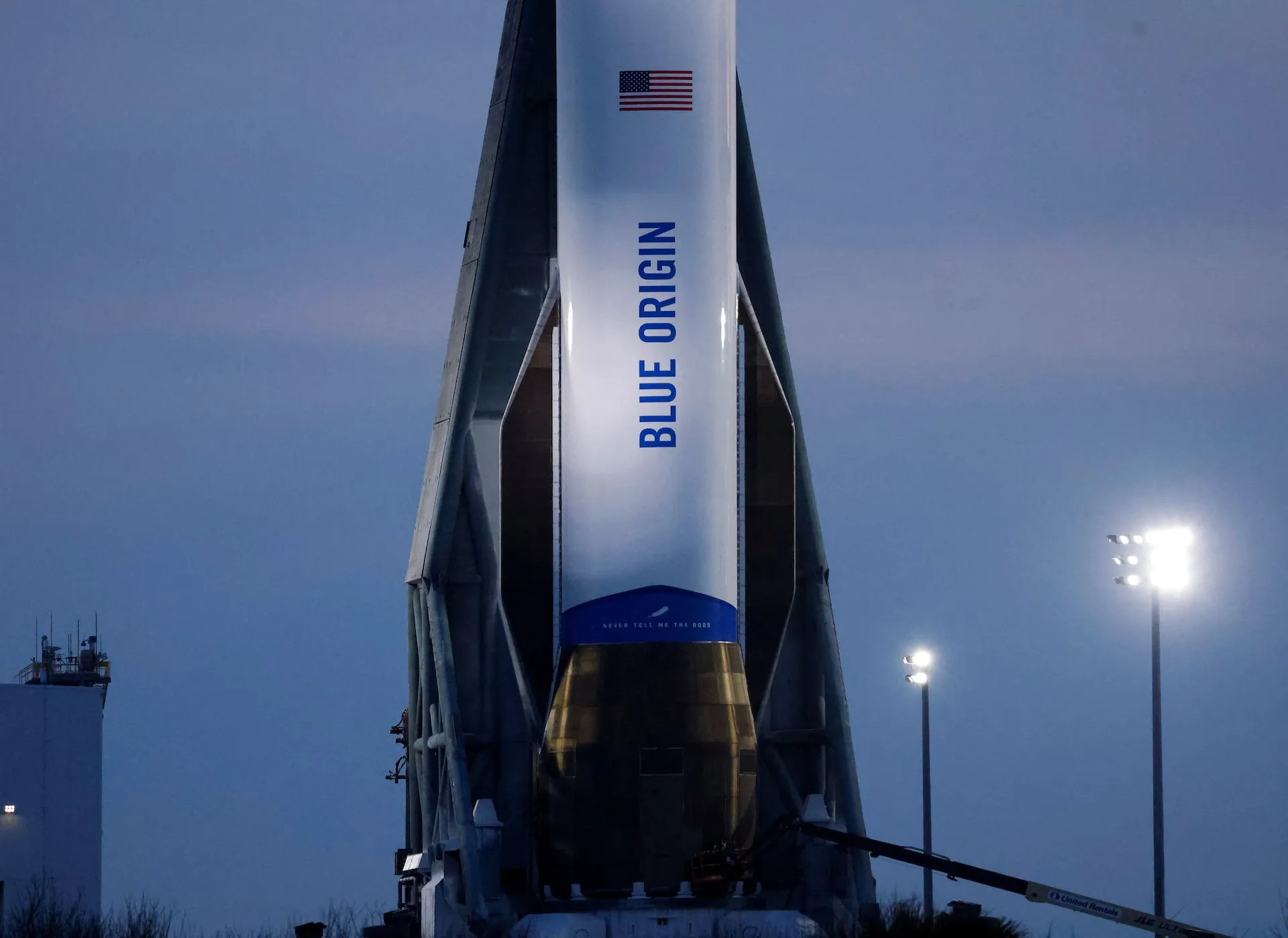
A catastrophic explosion occurred on Thursday, exacerbating the US launch backlog. The cause of the failure remains unknown to Blue Origin at present.
According to CEO Dave Limp, Blue Origin plans to revive its New Glenn rocket program by year's end, following a recent setback that saw one of the vehicles explode and cause damage to the company's launch site in the United States.
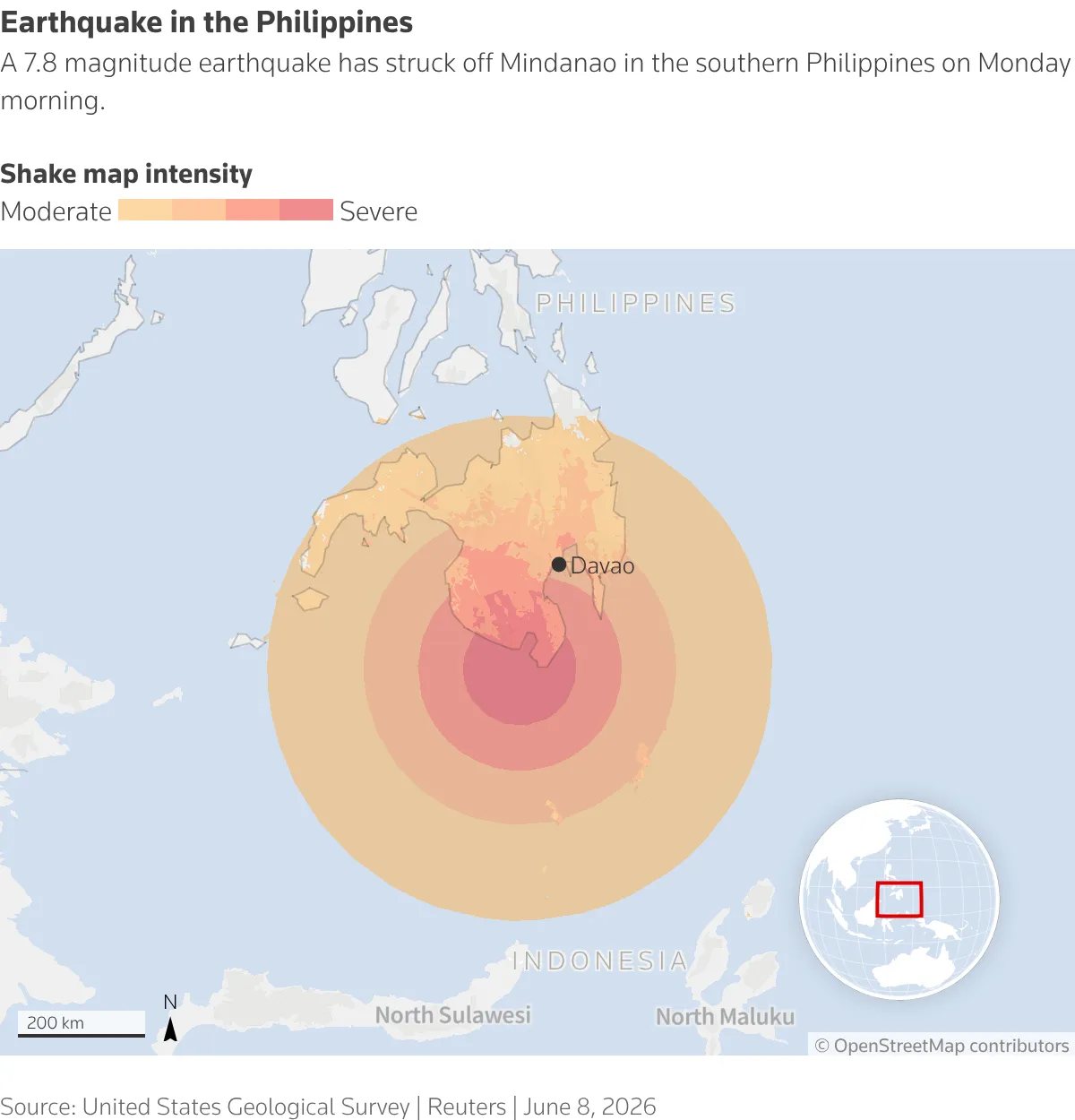
Related ↗A powerful earthquake measuring 7.8 magnitude hits the south of Philippines.Inspectors from Blue Origin have assessed the damage at their sole launch site, but the cause behind last Thursday's blast remains unmentioned by the company.
The fuel tanks at New Glenn's launchpad are in excellent condition, according to Limp, who considers this fortunate given the lengthy process of replacing them if damaged. Meanwhile, nearby rocket boosters for upcoming missions appear to be in good order, but the primary support tower requires maintenance work.
Read next ↗New Obesity Treatment from Boehringer-Zealand Reduces Visceral Liver Fat Effectively.Blue Origin's New Glenn rocket suffered a catastrophic failure, fortunately without any on-board satellites or human casualties, marking one of the company's darkest setbacks since its inception in 2000, affecting both the rocket itself and its primary launch site.
Following a disappointing mission in April, New Glenn's third flight, Blue Origin faces an uncertain future with a possible grounding until year-end looming large. The company is under intense pressure to boost its launch frequency amidst growing competition from SpaceX, now the world's leading launch provider.
On the Space Coast of Cape Canaveral, Florida, a powerful blast echoed through the air as Blue Origin readied its New Glenn rocket for liftoff, carrying 48 internet satellites bound for Amazon, its largest private client.
The tech giant Amazon must also respond quickly to growing competition from Starlink's expanding network.
United Launch Alliance, a joint venture between Boeing and Lockheed Martin, is set to collaborate with Amazon on future launches. Meanwhile, an Atlas V rocket from ULA successfully deployed 29 Amazon Leo satellites last Friday.
The New Glenn explosion remains unexplained by Limp, who refrained from speculating about its cause. This incident took place during a critical hot-fire test, where the rocket's engines were being tested on the ground as part of routine mission procedures.
A setback reminiscent of 2016's launch pad blast with its Falcon 9 rocket occurred when SpaceX was preparing for a crucial fueling test, part of an effort to boost the rocket's operational tempo. The company swiftly revived Falcon 9 operations approximately four months later.
In 2022, a catastrophic malfunction occurred during an uncrewed New Shepard suborbital rocket test, forcing Blue Origin to put the project on hold temporarily. The engine nozzle failed structurally mid-flight, prompting a thorough examination by the company and a subsequent review by the U.S. Federal Aviation Administration before resuming flights after 15 months.
Blue Origin has redirected its focus from the New Shepard program to New Glenn and lunar missions in collaboration with NASA, where deadlines are pressing. A preliminary iteration of the Blue Moon lander is scheduled for launch via New Glenn later this year as initially intended.
In January has redirected its focus from the New Shepard program to New Glenn and lunar missions in collaboration with NASA, where deadlines are pressing. A preliminary iteration of the Blue Moon lander is scheduled for launch via New Glenn later this year as initially intended.