Boehringer's innovative injectable medication maintains muscle mass while significantly decreasing visceral fat accumulation effectively. Those suffering from fatty liver disease demonstrate noticeable improvements as well.
A recent late-stage study conducted by Boehringer Ingelheim has yielded promising results for an experimental obesity treatment, demonstrating significant reductions in visceral and liver fat without compromising lean muscle mass. This finding supports the drug's potential to offer more than just weight loss benefits amidst a growing market of competing obesity medications.
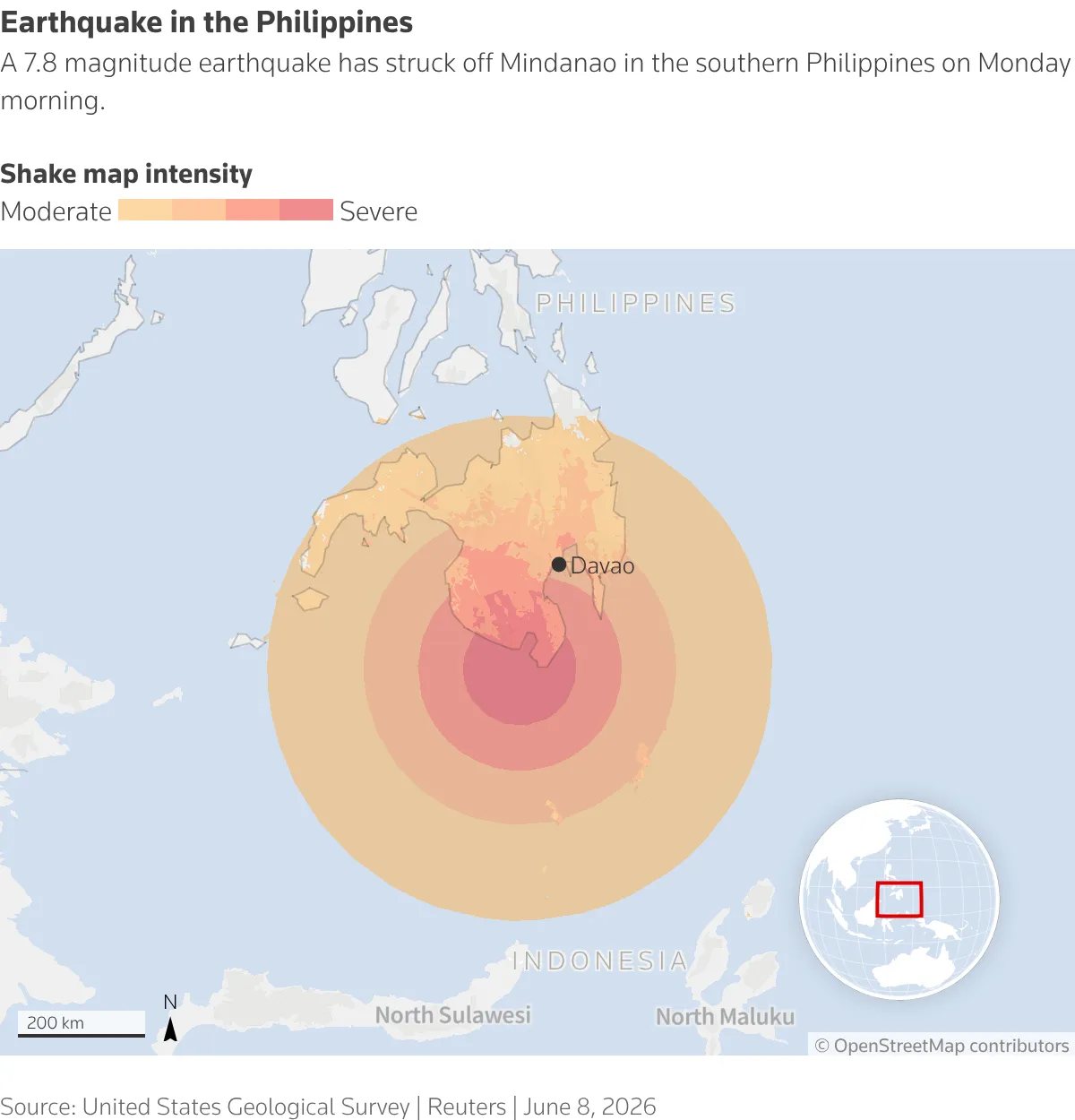
Related ↗A powerful earthquake measuring 7.8 magnitude hits the south of Philippines.Zealand Pharma's licensed drug, survodutide, has been developed into an injectable form that mimics GLP-1 and glucagon proteins to induce satiety. The clinical trial outcomes were revealed in April, demonstrating a significant weight loss of 16.6% over the course of 76 weeks.
Results from a 76-week study revealed significant reductions in visceral fat, with patients experiencing decreases of up to 34% in abdominal fat and up to 63.1% in liver fat compared to initial measurements, according to data released by Boehringer.
Read next ↗Beef demand surges in Mexico while Texas cattle industry faces decline.Experts note that the weight loss results are comparable to established GLP-1 injections from Novo Nordisk and Eli Lilly, but the company must now highlight its product's distinct advantages over emerging competitors.
Body composition changes revealed that lean mass contributed a maximum of 10.8% to the overall shift, implying significant fat reduction drove the observed weight loss primarily.
The commercial viability of this treatment hinges on its ability to effectively reduce liver fat while preserving lean muscle mass, as well as its tolerability and patient adherence over time. The study's comprehensive data will provide Boehringer with valuable insights to make a more compelling argument that survodutide's efficacy should be evaluated not solely by weight loss, but also by the distribution of that weight loss.
Boehringer-Zealand's innovative approach combines expertise in obesity and liver disease, two interconnected conditions often treated separately, according to Shashank Deshpande, head of the company's human medicines division.
In 2011, Boehringer secured exclusive development and marketing rights for survodutide, a compound licensed from Zealand, with royalties tied to worldwide sales.
09Liver disease patients see benefits.
A recent clinical trial involving MASLD sufferers who were either overweight or obese showed promising results for the treatment, survodutide.
Within a 48-week timeframe, nearly 85% of patients receiving the treatment experienced significant liver fat reduction of at least 30%, outpacing the 24.3% seen in those on a placebo. Meanwhile, participants taking survodutide also achieved substantial weight loss, up to 12.2%.
The medication showed significant efficacy in reducing liver fat levels to below 5% in 61% of treated individuals versus 5.7% on the placebo group.
Altimmune, a US-based biotech company, is working on a treatment that combines two key hormones: GLP-1 and glucagon.
Fatty liver disease and fibrosis are among the conditions being investigated in additional late-stage trials of survivudtide.
Altimmune, a(ALT.O)biotech company, is working on a treatment that combines two key hormones: GLP-1 and glucagon.