A 70-year-old Texas feedlot's very existence hangs in the balance due to potential border closures affecting cattle imports from Mexico.
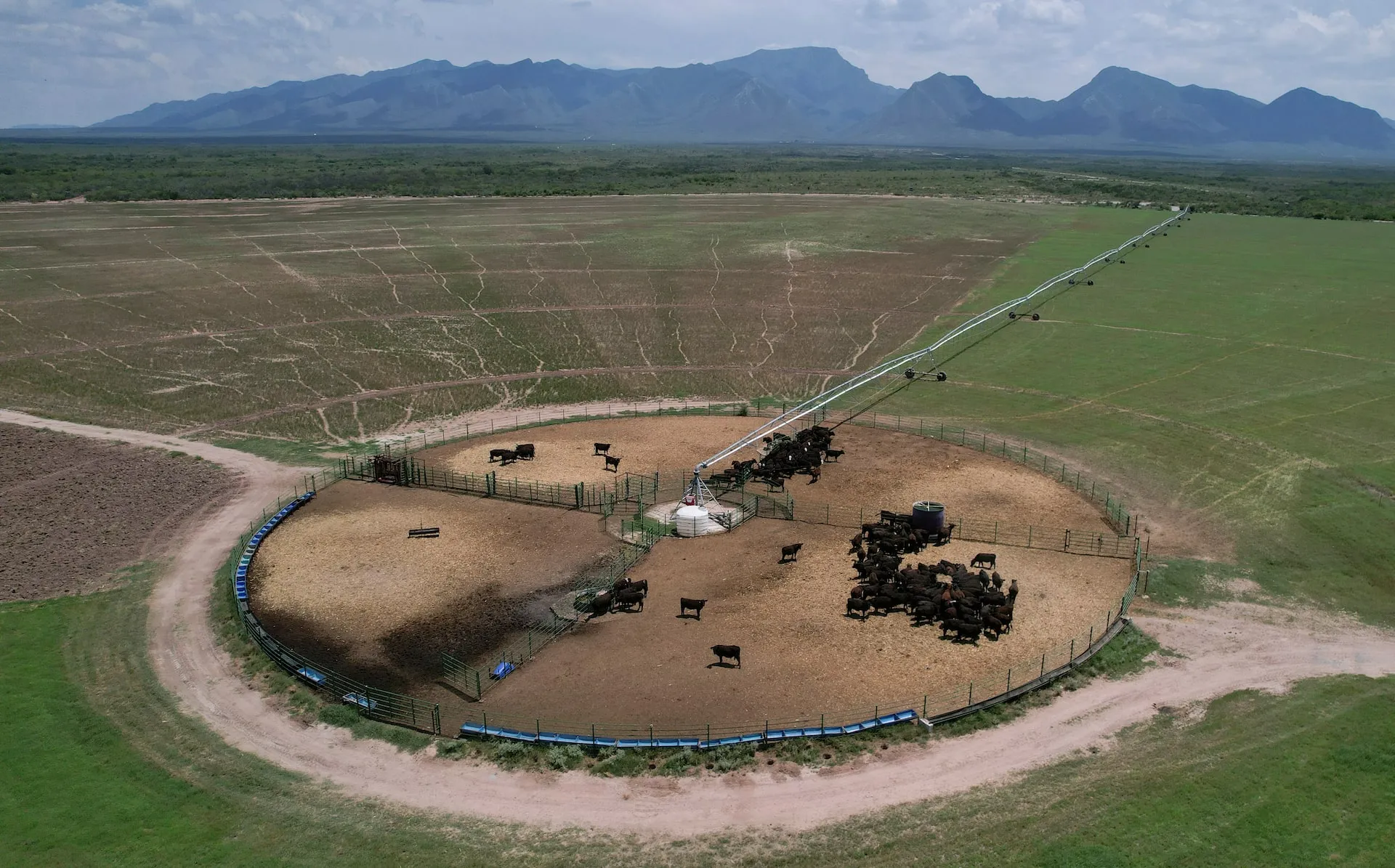
Since the 1950s, Lubbock Feeders has been a prominent cattle fattener in West Texas. Today, its facilities stand largely vacant, a stark contrast to previous years.
Related ↗A powerful earthquake measuring 7.8 magnitude hits the south of Philippines.A 70-year-old feedlot in Lubbock, Texas, teeters on the edge of closure due to a sudden shortage of Mexican livestock, which made up the majority of its cattle supply after U.S. imports were suspended last year by its owner's account.
A year ago, the US government implemented border restrictions on Mexican livestock to prevent the spread of New World screwworm, a parasitic pest wreaking havoc in Mexico. The latest development is a confirmed case of screwworm on a Texas cattle ranch, marking the first occurrence in 60 years and adding to the industry's woes. Drought conditions, Trump-era trade policies, and supply shortages have already taken their toll on the US beef sector.
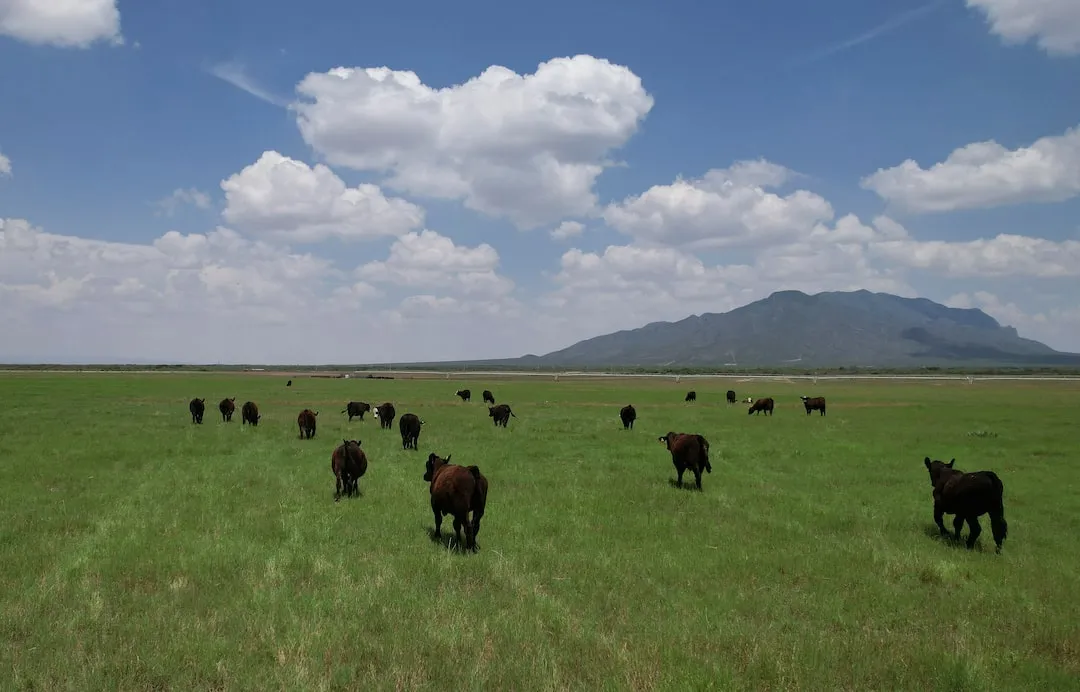
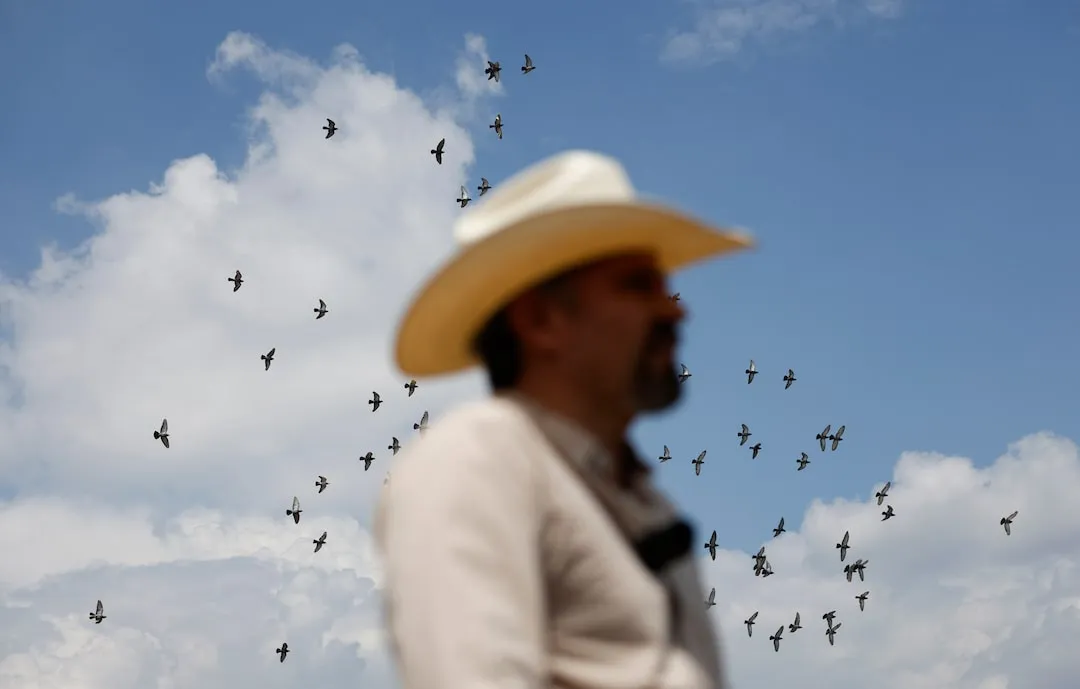
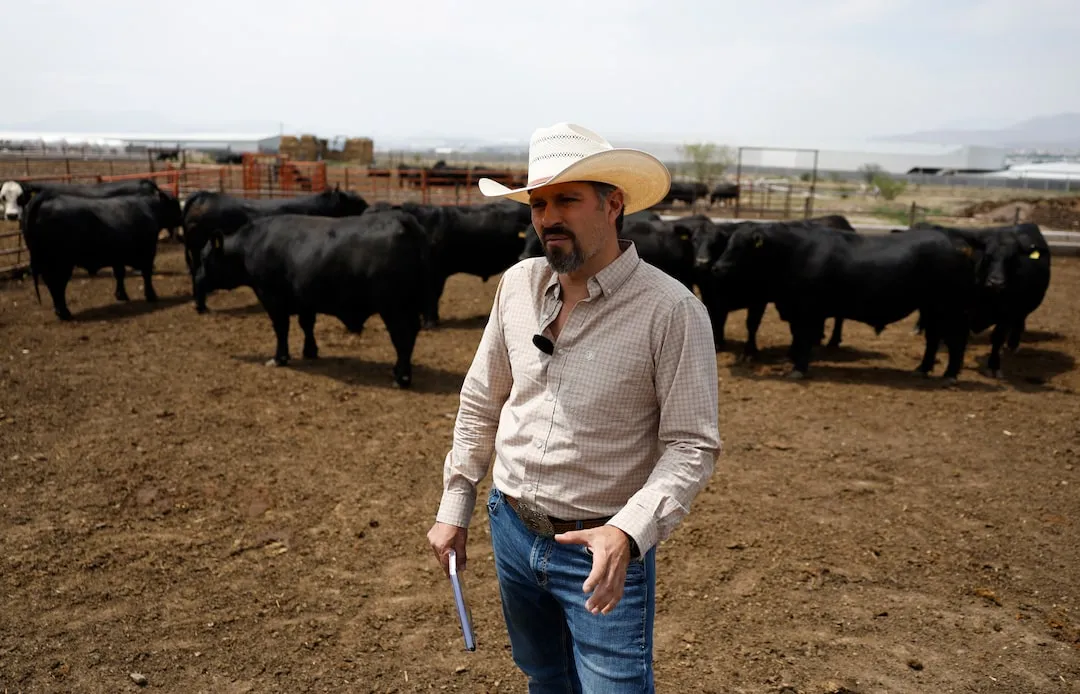
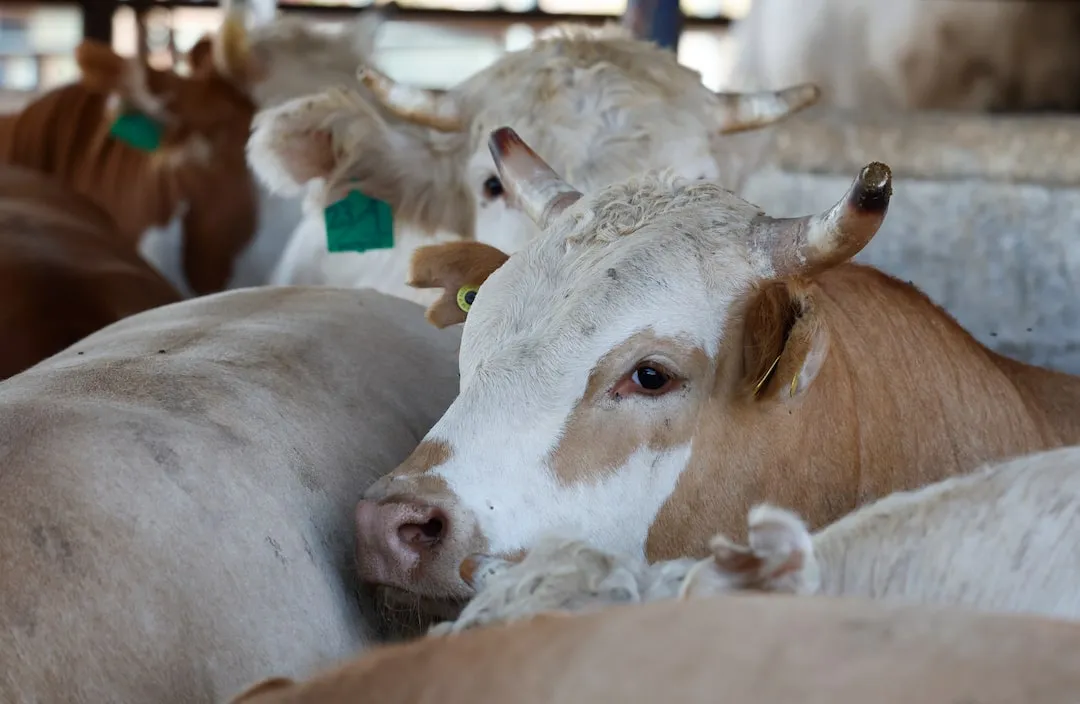
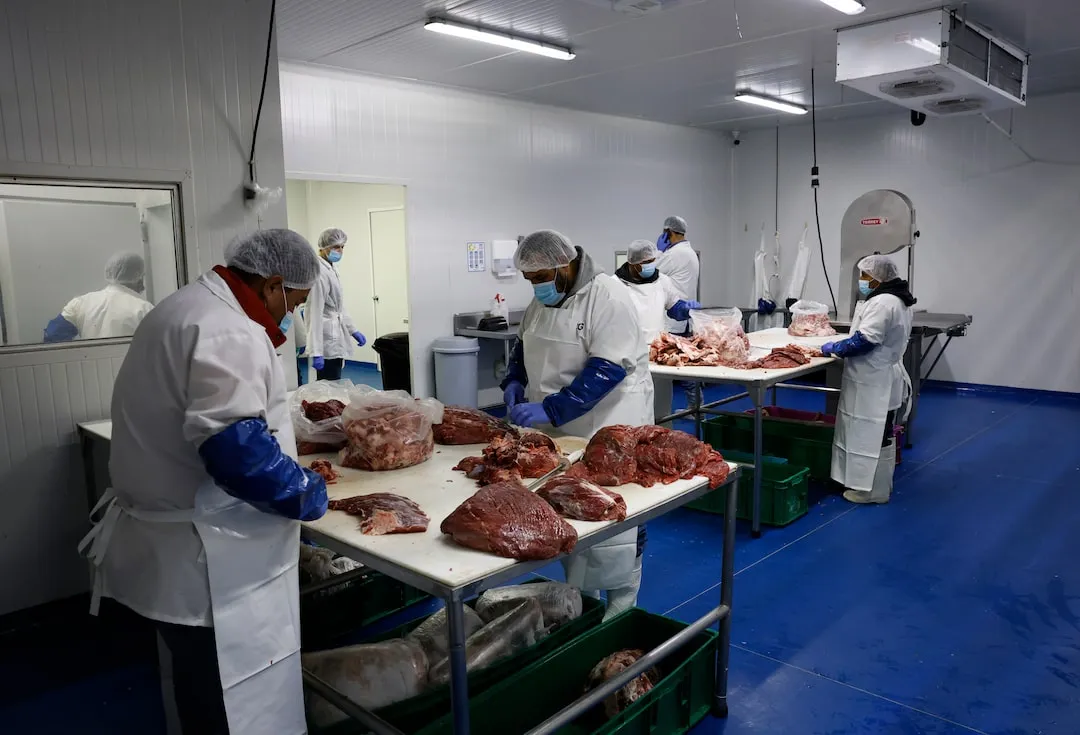
Read next ↗New Obesity Treatment from Boehringer-Zealand Reduces Visceral Liver Fat Effectively.In Coahuila, Mexico's northern border state, a remarkable shift is underway as local farmers now export beef to the United States, reversing their previous practice of sending live cattle north. Enrique García's ranch in Coahuila has seen a surge in activity, with his pens overflowing with black cattle awaiting afternoon feeding. To meet growing demand, García has more than doubled his workforce, expanding operations to include fattening and processing beef for potential sale to U.S. consumers.
The Texas cattle industry is facing a downturn due to border closures that have severely impacted the $100 billion US beef market. Meanwhile, Mexico has seized on the opportunity to bolster its own feedlots and processing facilities, allowing it to keep cows in longer and prepare them for slaughter more efficiently. By doing so, Mexican producers can reap significant profits from their expanded operations. In fact, between January and April 2026, Mexican beef exports to the US skyrocketed.
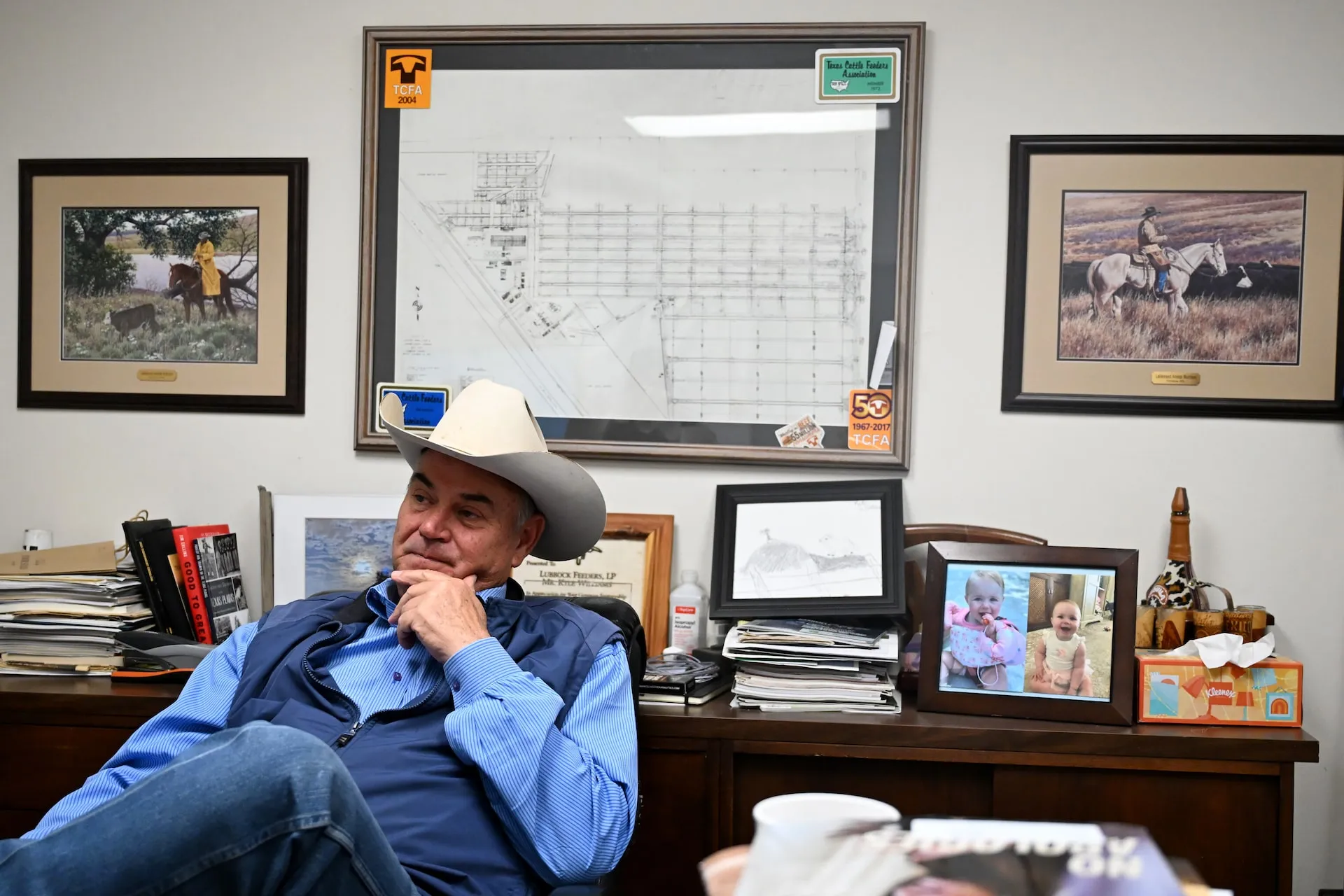
Kyle Williams, manager and part-owner of Lubbock Feeders, questioned the logic behind exporting cattle to Mexico for processing. "We're essentially handing over a lucrative business opportunity to our southern neighbors," he noted, highlighting the loss of domestic jobs and economic activity.
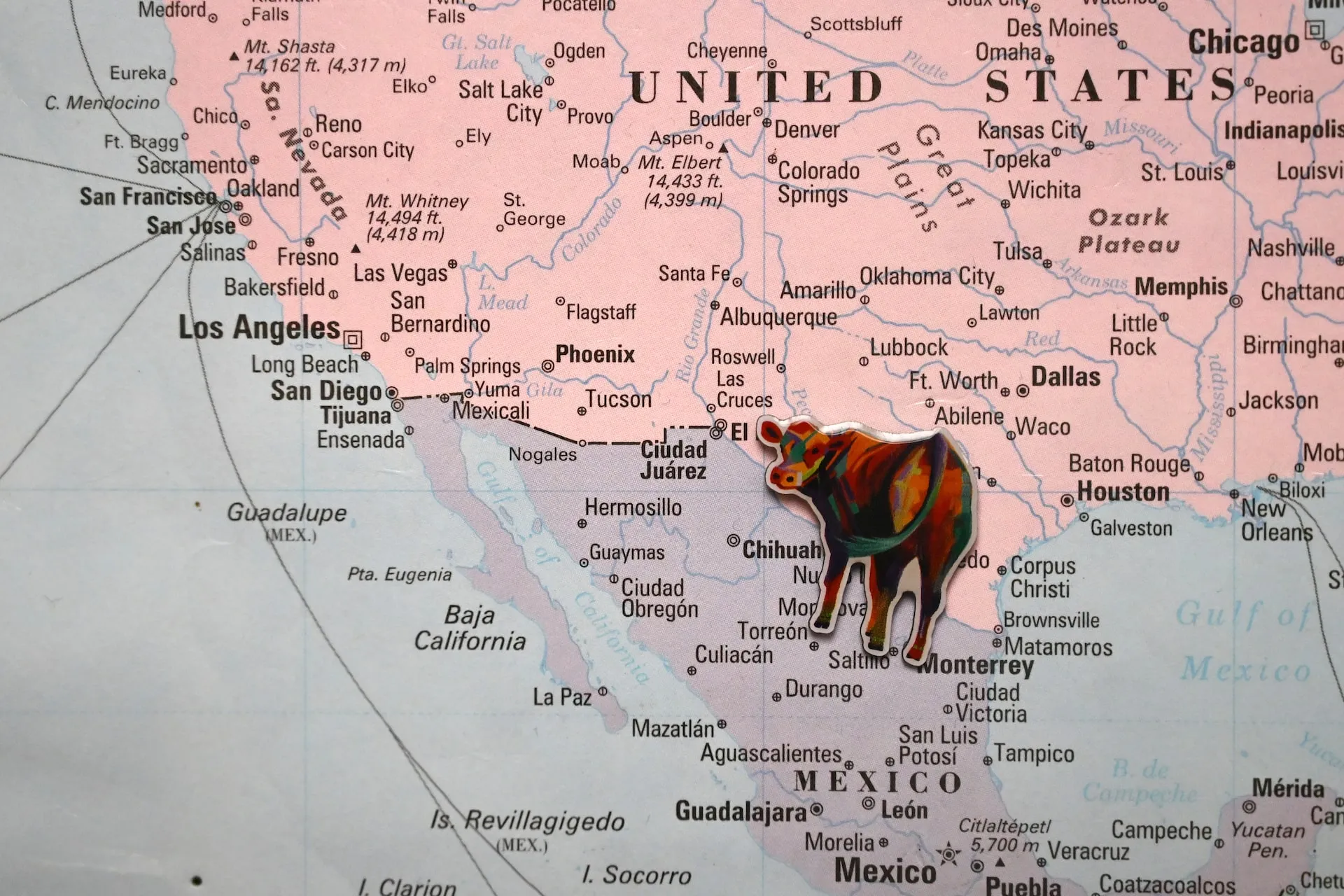
A year ago,the US government implemented border restrictions on Mexican livestock to prevent the spread of New World screwworm, a parasitic pest wreaking havoc in Mexico. The latest development is a confirmed case of screwworm on a Texas cattle ranch, marking the first occurrence in 60 years and adding to the industry's woes. Drought conditions, Trump-era trade policies, and supply shortages have already taken their toll on the US beef sector.
13US Cattle Herd Declines
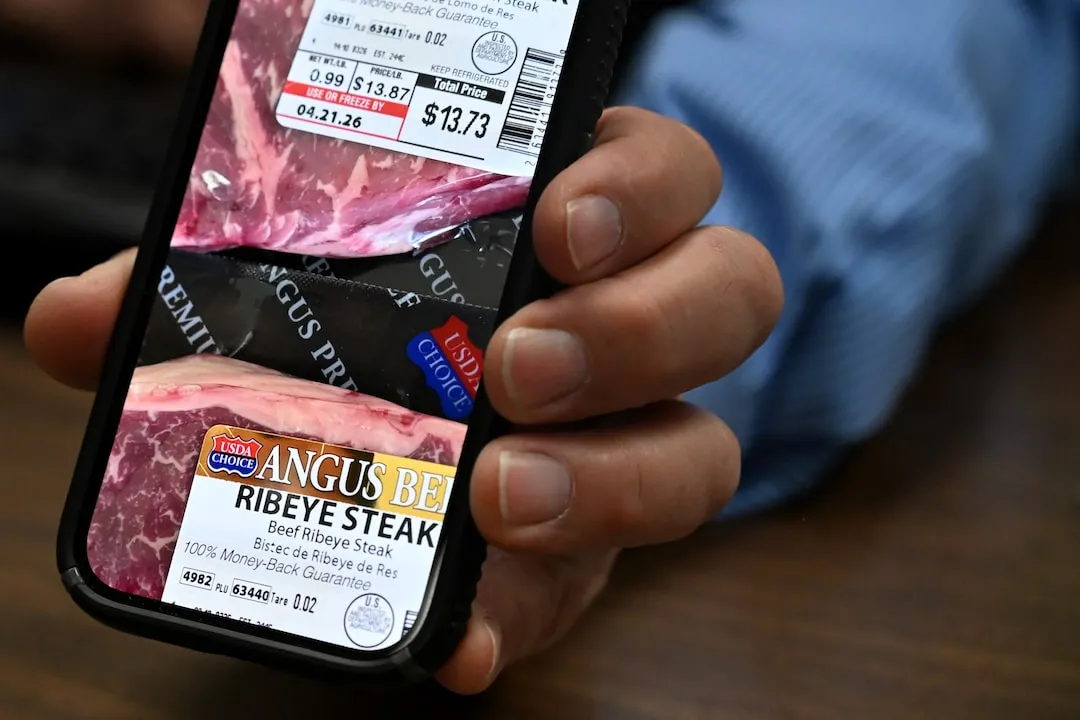
US beef prices have reached unprecedented levels due to dwindling domestic cattle stocks, which hit a 75-year low this year. The prohibition on Mexican cattle imports combined with severe drought has led to devastating wildfires in the Plains, prompting American ranchers to drastically reduce their herd sizes.
US cattle imports have historically peaked at over one million head annually from Mexico, accounting for roughly 4% to 5% of total US beef production sales, as indicated by industry statistics.
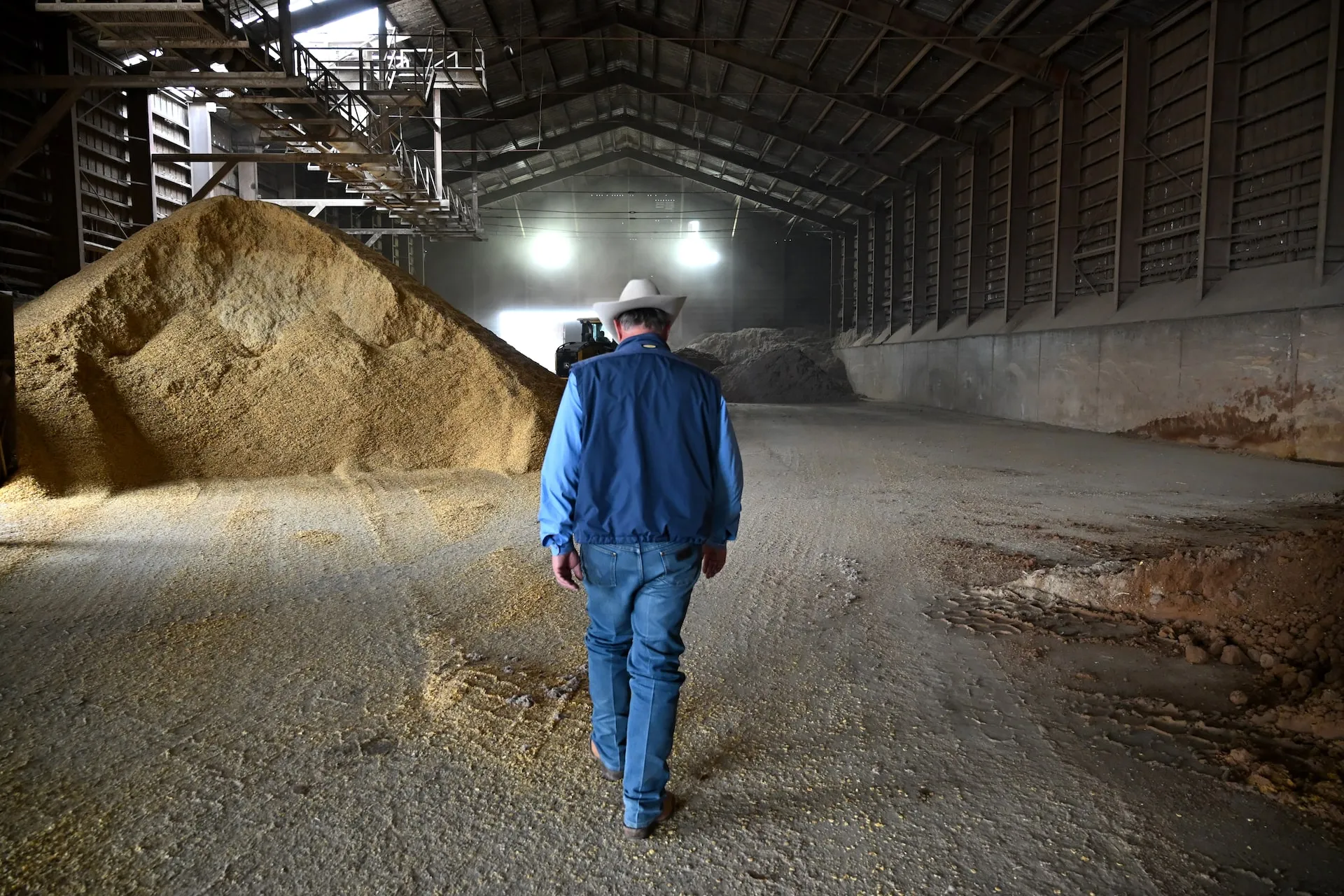
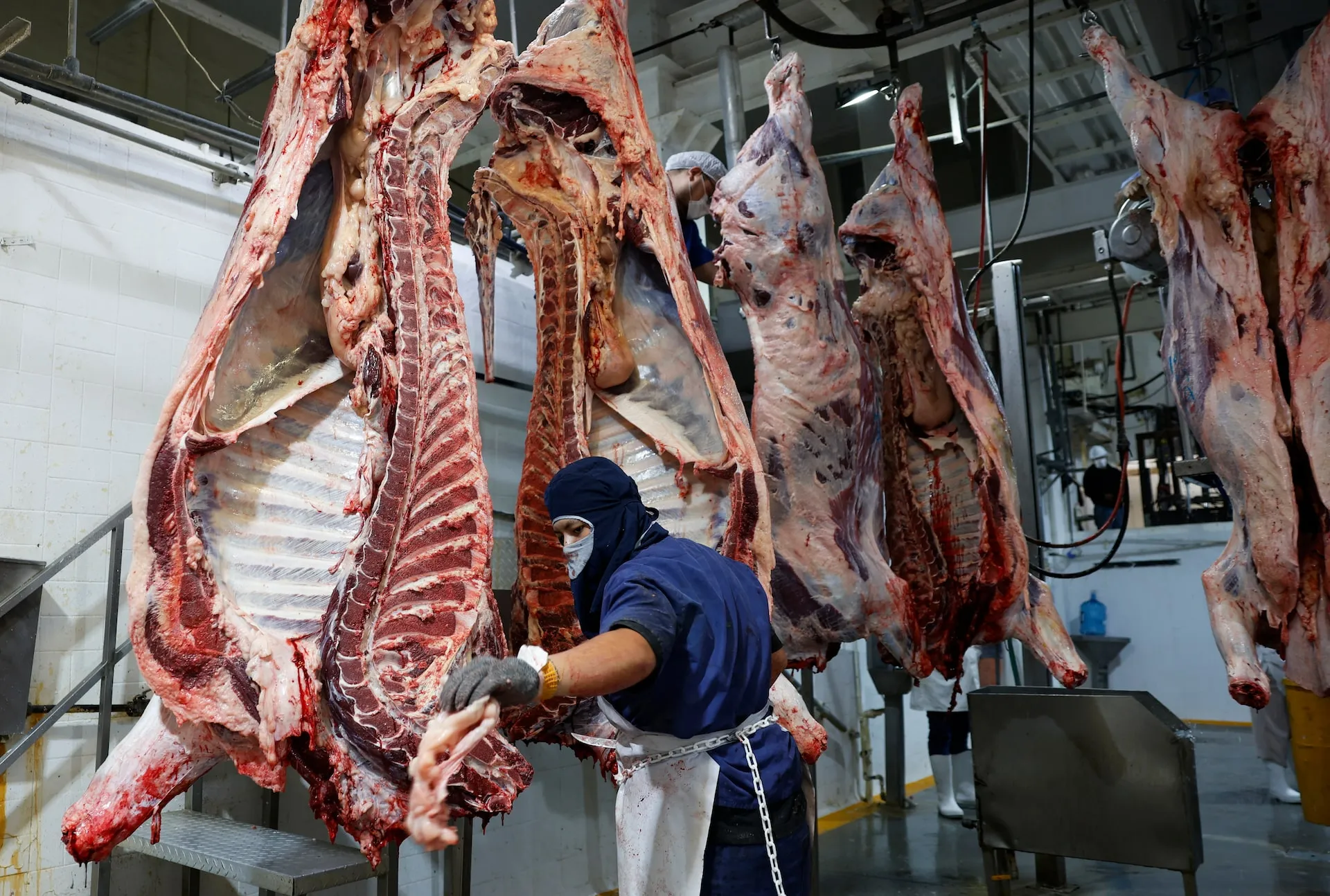
Livestock from Mexico was fattened at US feedlots before being dispatched to processing facilities within the country, thereby sustaining employment opportunities in various sectors, according to industry stakeholders. This employment included individuals responsible for transporting livestock, agricultural workers cultivating crops for animal feed, and butchers who processed cattle into consumable products.
A significant portion of the US cattle herd is now being raised in Mexico.
Infrastructure development is underway in Mexico, according to Williams' statement. The situation necessitates innovative problem-solving efforts.
Cattle inspections and treatments at ports of entry would enable the USDA to resume imports safely, according to him. Protocols for cross-border trade have been established and implemented on both sides. The cattle can now be allowed to proceed freely.
A parasitic fly known as the screwworm can infest any warm-blooded animal when female flies lay eggs in open wounds. Early detection is crucial for effective treatment. In a major outbreak of the 20th century, the US deployed trillions of sterile flies from a Texas production facility to hotspots. This massive eradication effort ultimately brought an end to the epidemic, but it took the cattle industry three decades to fully rebound. According to U.S. Agriculture Secretary Brooke Rollins, this experience informed last year's decision to close the border with Mexico.
Rollins noted that halting cattle transport can temporarily impede disease transmission.
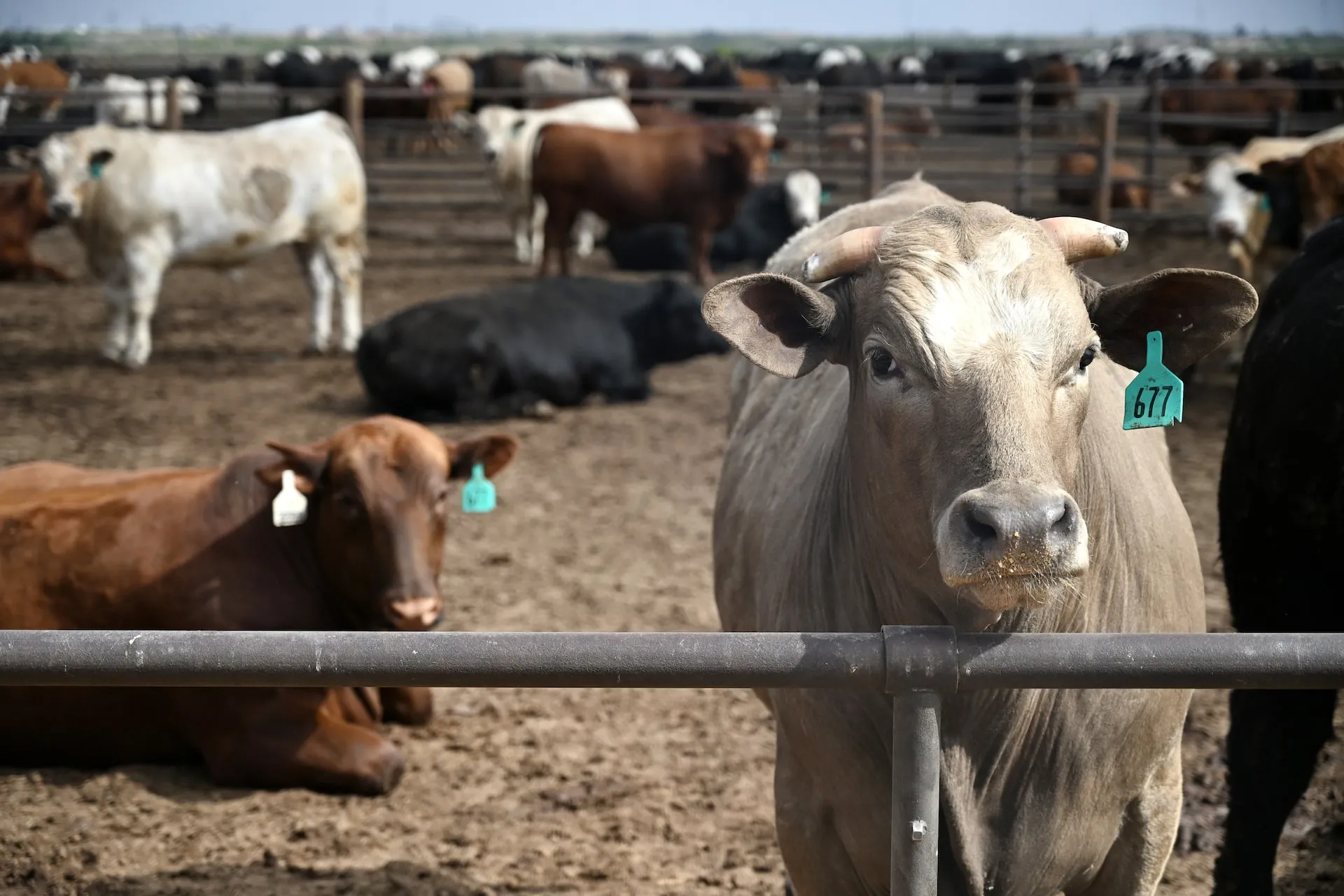
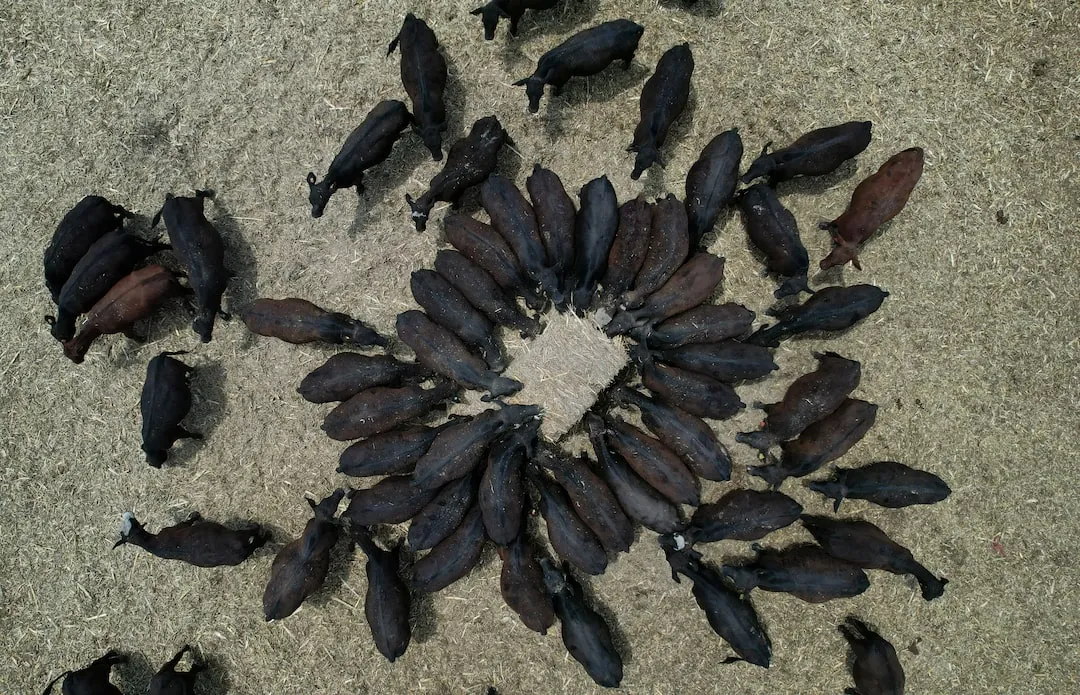
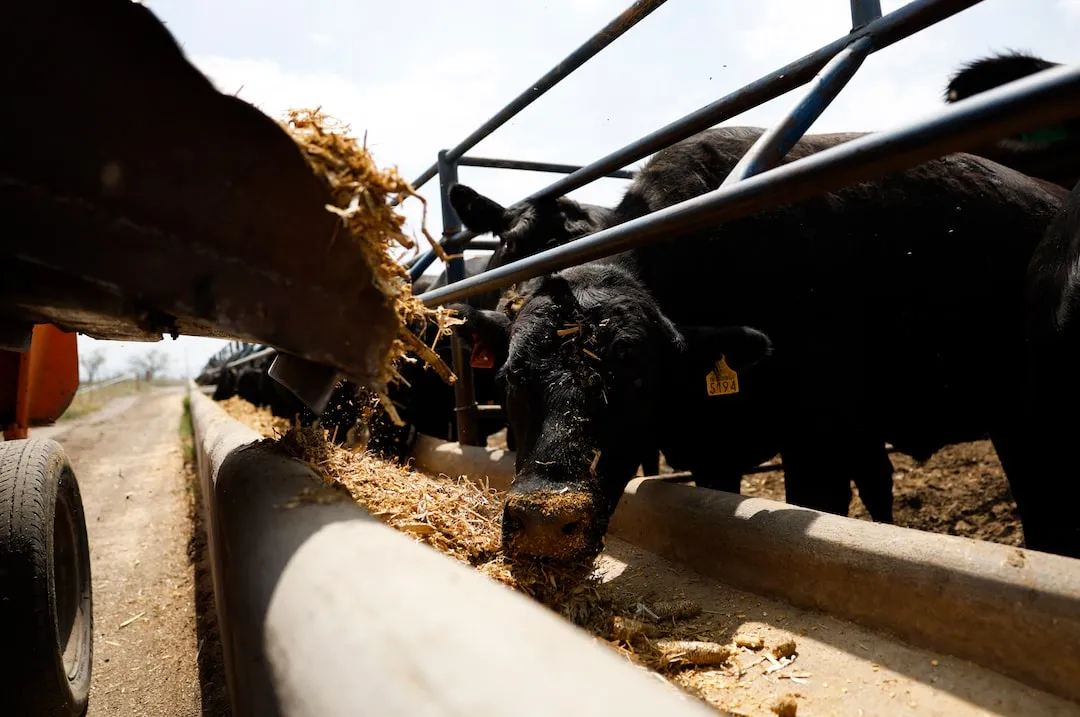
Lubbock Feeders ceased importing cattle several months prior due to unfavorable market conditions that threatened losses exceeding $200 per animal, according to Williams. Currently, the facility's maximum capacity of 40,000 head is significantly underutilized, with only around 4,000 cattle in residence.
Assistant Manager Bobby Swift, who has been with the feedlot for decades, often delays his arrival due to reduced workload. His responsibilities, such as monitoring the cattle, have become less time-consuming, taking approximately 22 minutes per check.
Lubbock Feeders has seen three generations of Swifts employed there, with the current worker's father and grandfather also having worked at the facility. Mental fatigue can set in for employees who feel their pace is inadequate.
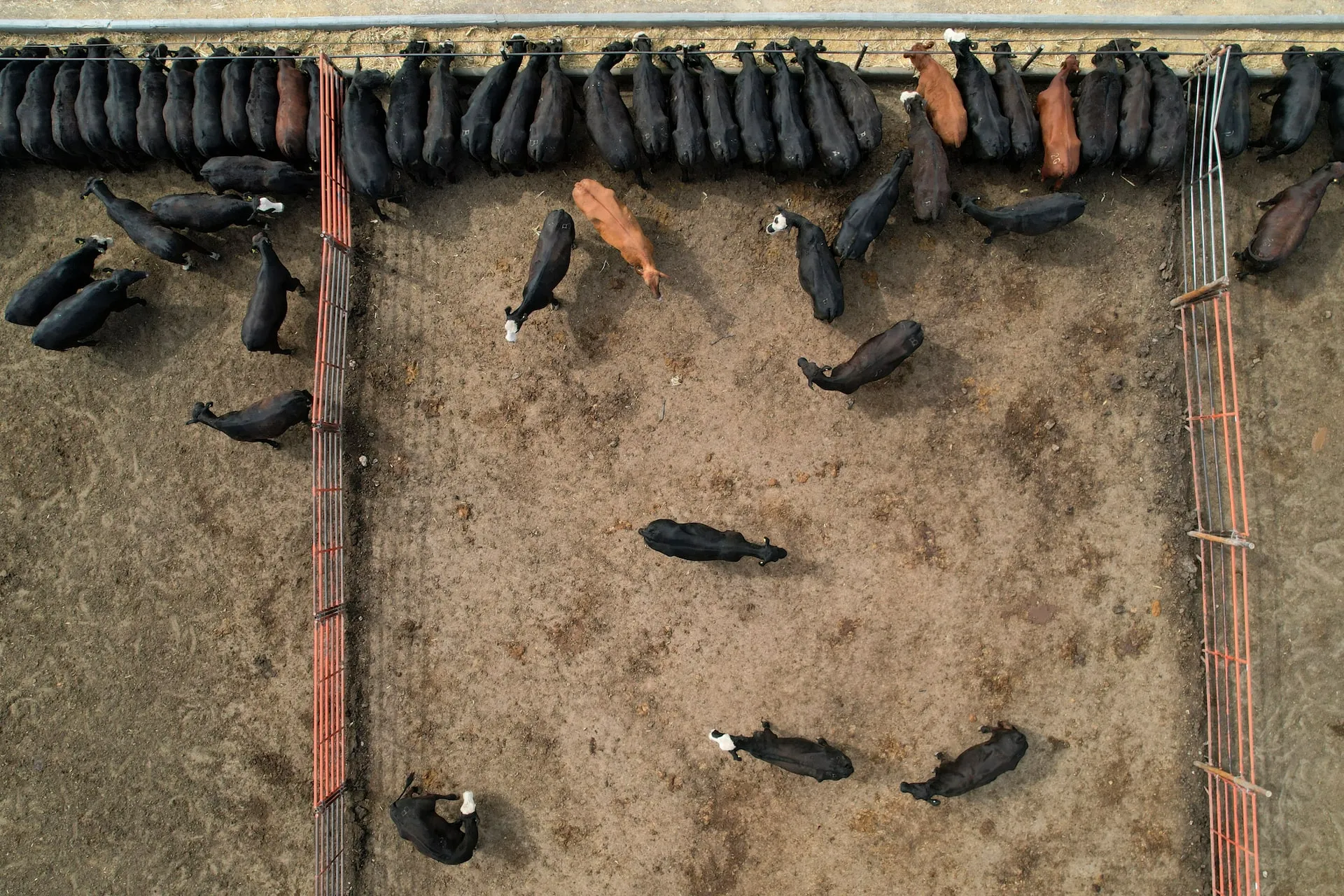
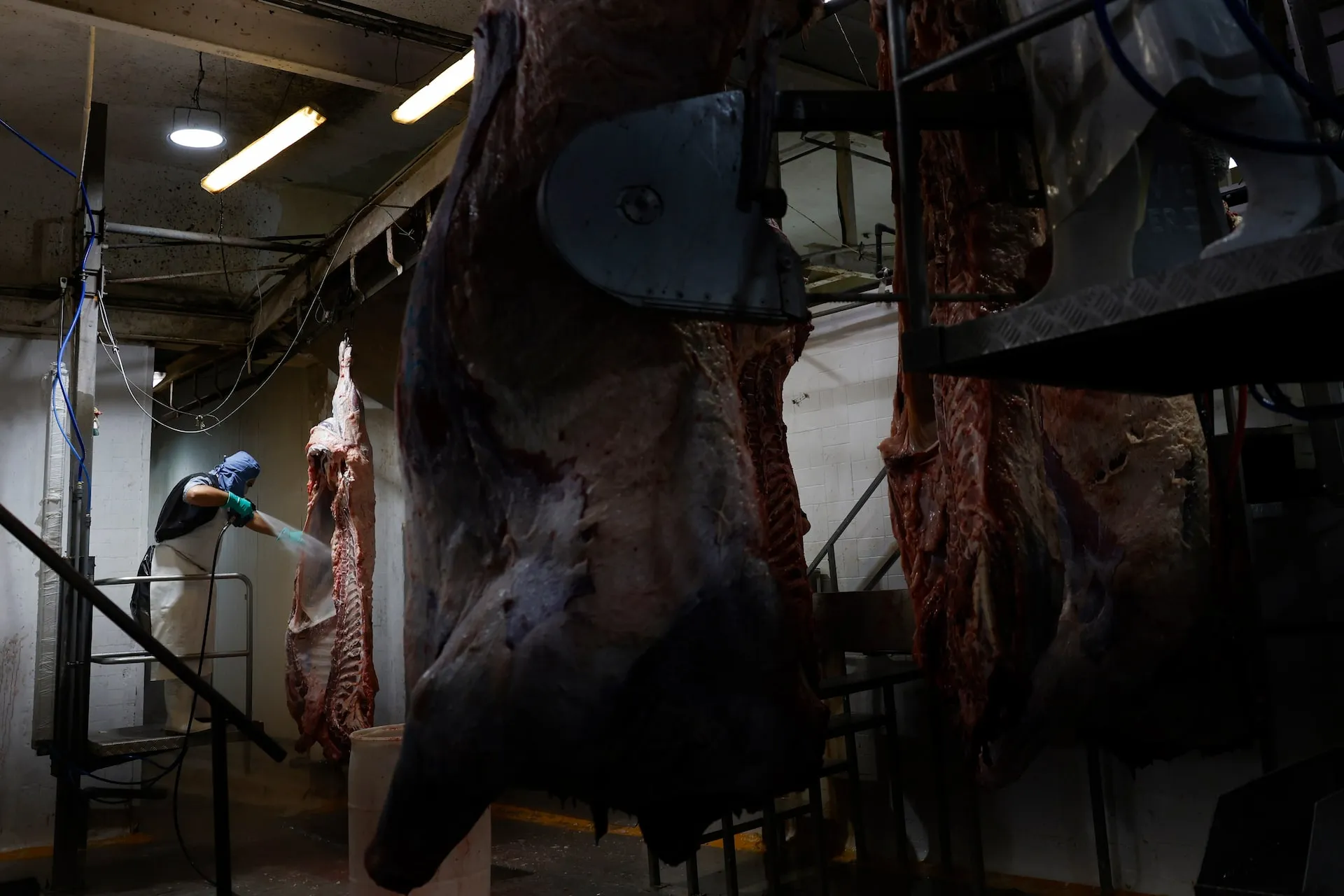

28Cattle numbers dwindle.
As US midterm elections approach, consumers are facing a growing affordability crisis due to rising beef costs, compounded by increasing fuel expenses. In an effort to alleviate the situation, President Donald Trump has called on cattle producers to reduce prices and instructed the Department of Justice to probe meatpackers, also permitting tariff-free imports from Argentina. A more substantial US cattle population would likely have a greater impact in lowering prices.
American cattle producers are being urged by U.S. meatpackers to increase their herd sizes, a process that typically takes around two years.
Ranchers claim that the administration's efforts to increase tariff-free beef imports from Argentina have hindered their ability to replenish herds, despite disappointing consumer price reductions thus far.
Livestock farmers are hesitant to boost output due to concerns about drought-related losses and unpredictable revenue streams ahead.
Farmer Eddie Womack in Tulia, Texas, is facing a difficult decision: reduce his herd of approximately 600 cows to 200 if the severe drought persists, affecting crop yields and forcing him to purchase expensive feed, which has become a necessity due to the lack of natural forage.
Womack's words reflect a grim reality as the cattle industry faces yet another challenging year ahead, with difficult decisions looming large.
35Mexican beef producers thrive.
Beef production is experiencing growth under García's leadership in Mexico.
Four years ago, he started expanding his operations by fattening cattle on a small scale as a way to diversify his business. His previous annual exports of approximately 900 head to Kansas had been a mainstay before the U.S. border closure took effect.
The presence of screwworm in the US has Garcia optimistic about expanding his beef production operations, as he believes it will delay a potential border reopening.
Mexican beef producers will ultimately reach US markets as they have before, but this time with a new product offering.
51Related Content
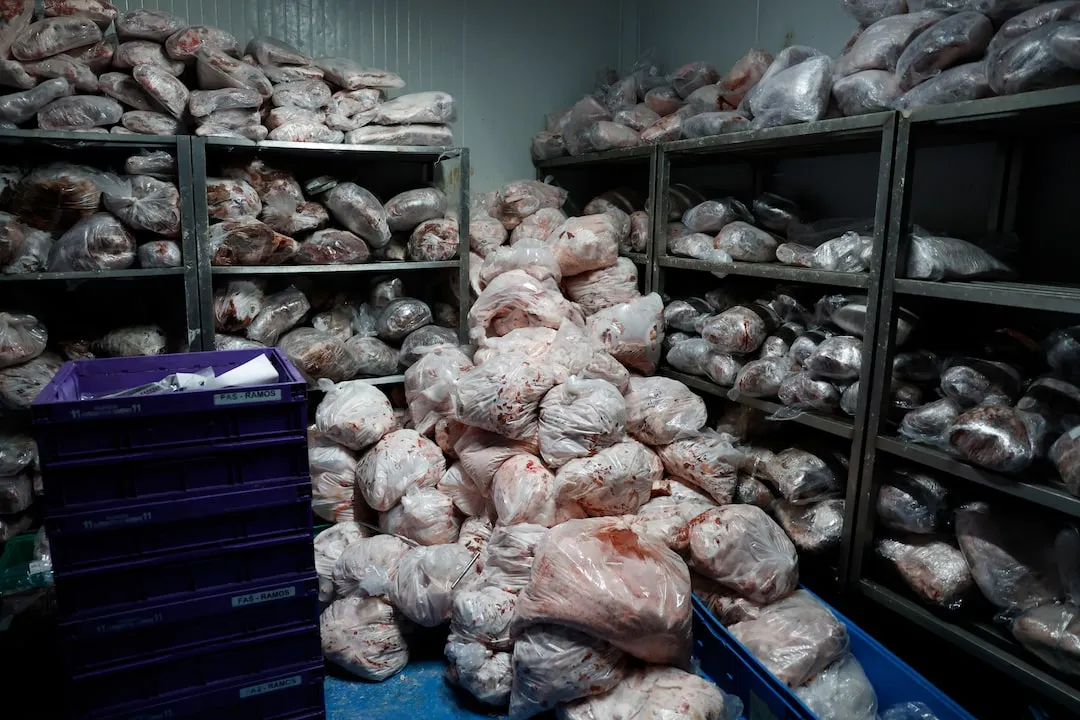
In the initial four months of 2026, Mexico's export boom to the US skyrocketed by a significant 23%, as per the country's leading meat industry association's projections for substantial growth in 2027.
Mexico's Coahuila state seeks to boost its beef export capabilities by increasing federally certified and US-approved slaughter and packaging facilities, according to Isaias Montemayor, Deputy Minister of Livestock and Rural Infrastructure.
Months have shown that producers can achieve profits comparable to or exceeding those from exporting live calves if they add value to their products.
According to Rollins, temporarily halting imports from Mexico effectively stalled the spread of screwworms into American territory, with ports remaining closed to Mexican livestock indefinitely.
Questions from the White House were directed to the USDA, which issued a statement confirming that federal, state, and local authorities are working together to control the pest.
Mexico's livestock sector has adapted remarkably well to the border closure, according to Rogelio Perez of Mexico's National Confederation of Livestock Organizations, who notes that this shift has ultimately bolstered the industry. The financial benefits of meat production now remain within Mexico, indirectly affecting the US market.
58Beef Industry Under Stress
U.S. meatpackers and some cattle feeders are facing increased pressure due to the border closure, which has worsened domestic supply constraints. As a result, companies like Tyson Foods have incurred substantial losses from their U.S. beef operations, where cattle costs outstrip beef revenue.
Meatpackers in the U.S. claim they require a significant increase in cattle supply, with Mexican imports potentially having the greatest effect on inventory levels within the 12- to 18-month timeframe.
Amarillo, Texas, is now home to significantly reduced operations at a Tyson Foods facility, located approximately 195 km north of Lubbock. This strategic move follows the permanent closure of another massive beef plant in Nebraska, where thousands of employees lost their jobs due to restructuring efforts aimed at boosting competitiveness.
Labor unrest has plagued major US beef processing facilities operated by JBS and Cargill in recent times.
PMI Foods' President Darin Parker urged the USDA to reconsider its current restrictions on imports.
The beef industry is deeply ingrained in American culture, according to Parker. Safeguarding its future must be a top priority.

Tyson Foods is now home to significantly reduced operations at a Tyson Foods facility, located approximately 195 km north of Lubbock. This strategic move follows the permanent closure of another massive beef plant in Nebraska, where thousands of employees lost their jobs due to restructuring efforts aimed at boosting competitiveness.