The aging facility in San Diego County, California, may allow for a significant increase in Colorado River water allocation to drought-stricken states.
A tentative agreement has been reached between Arizona and Nevada, allowing San Diego to potentially offload some of its Colorado River water allocations to the two desert states.
Related ↗A powerful earthquake measuring 7.8 magnitude hits the south of Philippines.A decade-old desalination plant in San Diego County has alleviated water scarcity concerns for the local authority, which can now rely on a surplus of water. As a result, the utility will tap into the river less frequently than its allocated share, without physically transporting water inland.
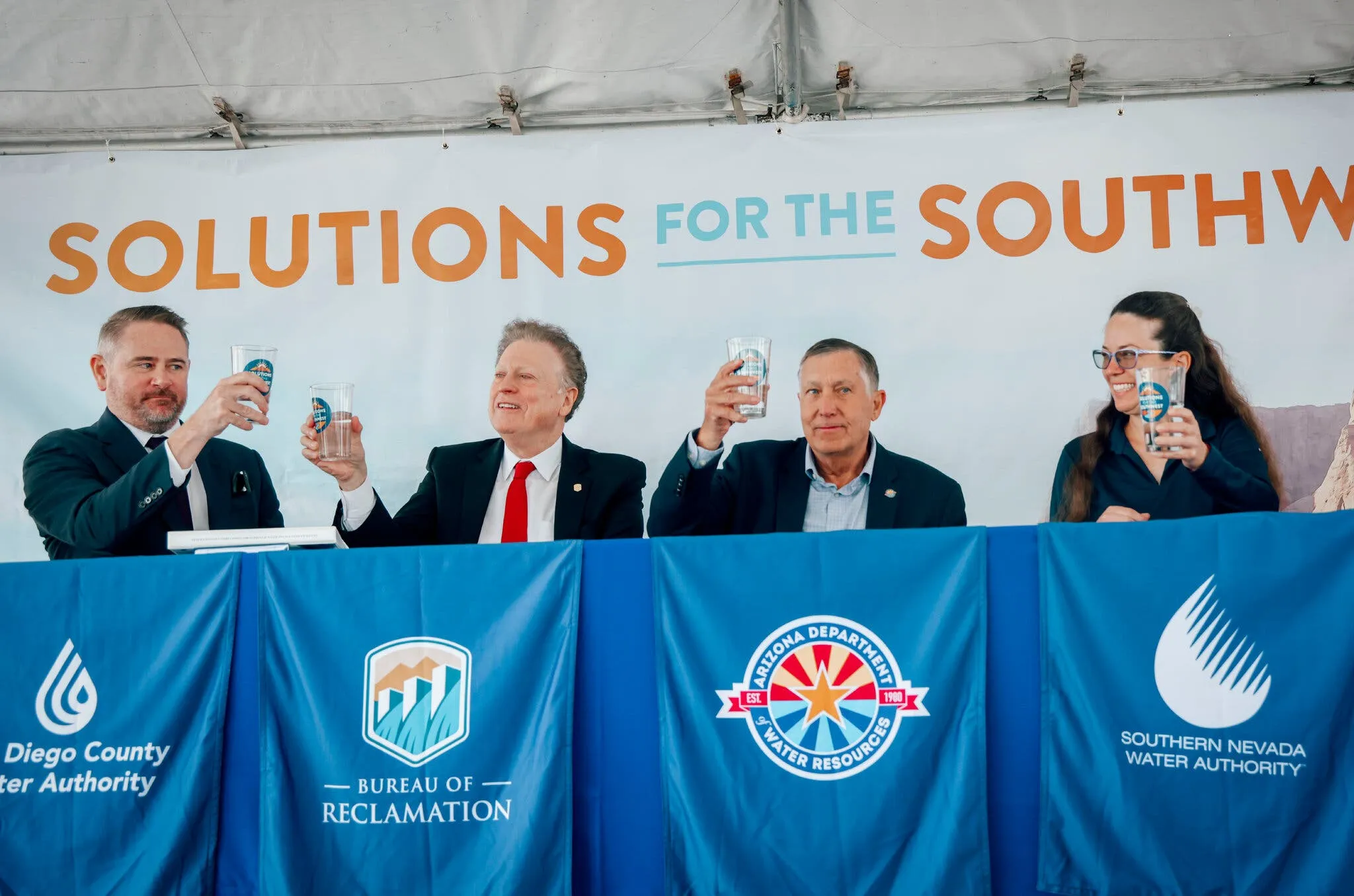
A landmark agreement has been reached between Nevada and Arizona regarding the exchange of Pacific Ocean water. This historic deal marks the first significant large-scale trade in Colorado River water, a resource crucial to 40 million people and 5.5 million acres of farmland across the West. Previously, a maze of laws and court decisions governed river usage, lacking any practical framework for such water swaps. The agreement comes at a critical juncture, as severe shortages loom over the system of reservoirs and dams that supply this vital resource.
Read next ↗New Obesity Treatment from Boehringer-Zealand Reduces Visceral Liver Fat Effectively.Scott Cameron, acting director of the Bureau of Reclamation, emphasizes the gravity of the situation: "The urgency is palpable." The federal agency responsible for managing Western water supplies and infrastructure has reached a pivotal agreement with Nevada and Arizona. A brief document marks a significant step towards enhancing water security in the Southwest region.
Details remain to be finalized regarding the amount of water San Diego County can allocate, as well as the fees Arizona and Nevada must cover for this exchange. To settle these matters, attorneys will scrutinize over a century's worth of relevant legal history, while water administrators engage in ongoing negotiations amidst dwindling supplies that are already critically low.
The agreement's timing is crucial, given the current momentum and river conditions, which suggest that waiting any longer would be unwise, with progress likely within a 12-month timeframe. Hydrological factors won't pause for negotiations.
A severe drought has beset the Colorado basin, marking its most critical period in years due to a winter with record-low mountain snowpack that vanished quickly come springtime. Lake Powell, one of the two massive reservoirs along the Colorado River, is bracing for an unprecedented 13 percent reduction in inflows this year.
In the arid Southwest region, several municipalities are cautioning their citizens about impending water shortages, yet water conservation efforts remain inconsistent across various areas.
Seven western states heavily reliant on Colorado River water - California, Arizona, Nevada, New Mexico, Utah, Colorado, and Wyoming - are at an impasse over how to distribute the burden of reduced water usage after missing a Feb. 14 deadline set by the Bureau of Reclamation. A federal plan outlining the watershed's future is due in July, according to Mr. Cameron's statement.
Scientists have warned that another dry winter may lead to record-low water levels in Lake Powell and Lake Mead next year, mirroring the lowest readings since their initial filling in the 1980s, as revealed in a recent paper published on Monday. This scenario poses a significant threat to the reservoirs' usable storage capacity and potentially compromises the integrity of dam and hydroelectric systems.
Creative solutions to address growing water concerns are gaining momentum with innovative approaches like desalination and wastewater recycling taking center stage. In Utah, Arizona, and Southern California, new water recycling projects are being implemented, one of which in the Los Angeles area has secured $12 million in funding from Arizona and Nevada in 2021, potentially providing drinking water for 500,000 households.
Currently, only one desalination plant has made significant progress in San Diego County's Carlsbad area, situated north of San Diego. According to Mr. Cameron, his vision is for multiple facilities like this to be built along California's coastline, but first the state commission overseeing coastal development must relax its stringent regulations governing such projects.
The Southwest faces a severe water shortage, according to Mr. Cameron's assessment. To tackle this pressing issue, it's essential to identify collaborative pathways for state and federal authorities to meet public demands during such critical times.
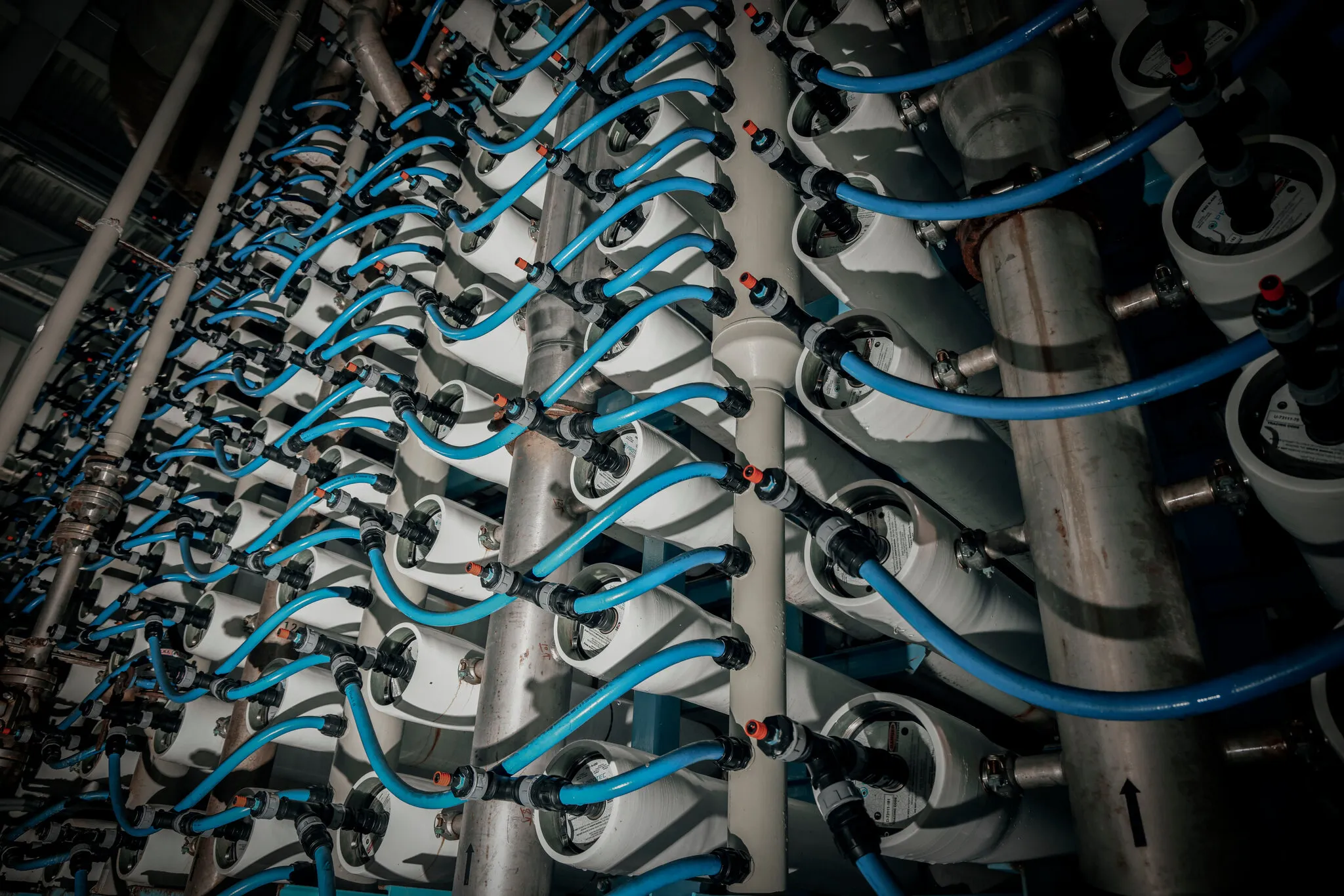
The Claude "Bud" Lewis Carlsbad Desalination Plant, operational since 2015, serves as a vital solution to San Diego County's water scarcity issues. According to Nathan Faber, a principal engineer with the county water authority, this facility contributes significantly by releasing up to 54 million gallons daily through its advanced system of 16,000 reverse osmosis filters, providing approximately 10 percent of the region's water supply.
The construction of the plant has led to substantial financial burdens on the utility's customers, who face steep annual water rate hikes. The utility's decision to sell Colorado River water rights may help offset some of the $1 billion investment in the plant. This year, the company has already secured agreements with two utilities in Riverside County, California, a rapidly expanding region adjacent to the Colorado River.
Arizona's pressing need for new water sources is particularly acute due to its junior status in Colorado River water rights and impending cuts to its allotments from the river. The recent agreement between Nevada and Arizona marks a significant initial development, according to Brenda Burman, general manager of the Central Arizona Project, which supplies Phoenix and other communities with Colorado River water through its system.
Ms. Burman emphasizes the importance of collaborative efforts.