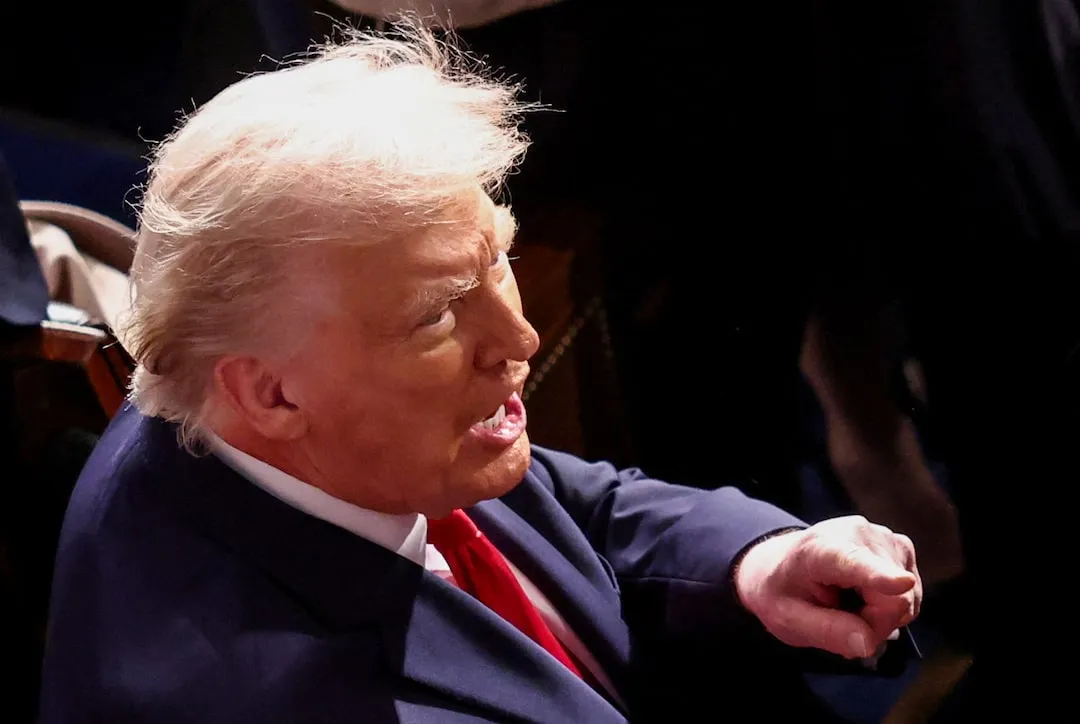
Growing divisions among Republicans in Congress are evident as lawmakers diverge from Trump on crucial matters and appointments. Frustration with Trump's involvement in Senate elections is fueling some of this dissent.
Republican lawmakers in Congress are increasingly at odds with President Donald Trump, who faces mounting resistance from his own party despite their initial reluctance to challenge him directly.
Related ↗Soldier under investigation for fatal shooting by Israeli military police.In recent days, Republican factions within the Senate and House of Representatives have begun to openly defy Trump's stance on Iran, refusing to allocate $1 billion in funding tied to the White House's lavish events, withdrawing support for his "anti-weaponization" fund worth $1.8 billion, and blocking legislation aimed at domestic surveillance measures.
Thursday's passage of a bill providing aid to Ukraine and imposing sanctions on Russia has sparked tensions within Republican ranks in Congress, with the measure likely facing a presidential veto.
Read next ↗President Trump vows to urge restraint from Israel in response to Iranian retaliation.A significant number of Republicans are questioning whether Trump will indeed face a genuine uprising within the party. Meanwhile, a notable group of Republican lawmakers who have been ousted by Trump himself are now signaling their willingness to defy him, potentially jeopardizing several key projects before the next election.
As the midterm elections draw near, it appears that lawmakers like Senator Thom Tillis are increasingly influenced by constituent opinions, rather than strictly adhering to their own convictions. This shift is particularly notable given Tillis' past opposition to President Trump's signature legislative proposal, dubbed the One Big Beautiful Bill.
The notion of a unified Democratic stance against President Trump was met with skepticism, as no concrete proof exists of widespread dissent on key matters.
Senator John Fetterman, a Democrat who occasionally aligns with Trump's proposals, noted that those defecting from Trump are individuals he himself had backed. This dynamic underscores Trump's considerable influence within the Republican Party.
A senior administration source attributes growing Republican discontent to the pressures of election-year politics, where not all lawmakers are willing to bear the full weight of contentious issues.
President Trump's agenda remains a top priority as the White House reaffirms its commitment to working closely with Congressional Republicans amidst mounting pressures from within their own ranks.
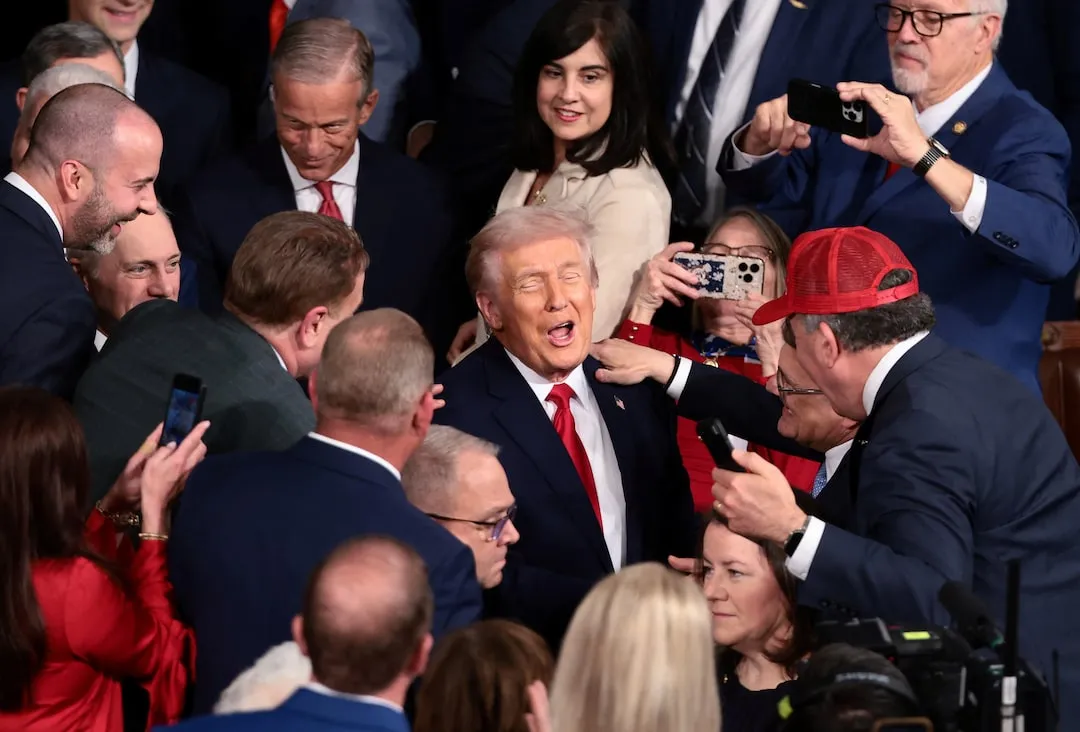
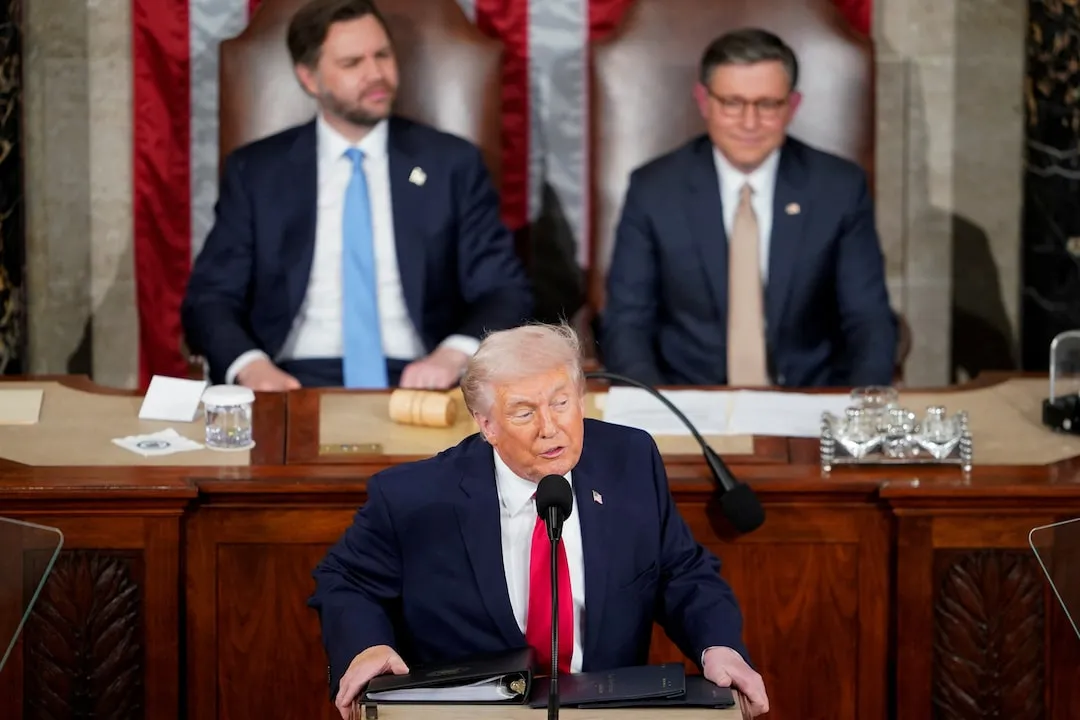
Donald Trump lawmakers in Congress are increasingly at odds with President Donald Trump, who faces mounting resistance from his own party despite their initial reluctance to challenge him directly.
15Republican lawmakers resist Trump's leadership.
Republican lawmakers have consistently demonstrated loyalty to Trump through their support of contentious cabinet nominations, largely acquiescing to his executive actions, and endorsing key legislative initiatives despite reservations regarding the escalating national debt and reductions in the Medicaid program serving low-income citizens.
Frustration among lawmakers has intensified as President Trump's actions, including opposing Senator Bill Cassidy and John Cornyn's reelection efforts, have put the Republican agenda at risk in Congress following several ill-timed statements.
Just as the US was observing its Memorial Day holiday, a pivotal moment emerged when Trump's stance against Cornyn's reelection and his announcement of an "anti-weaponization" fund led Senate Republicans to reject a $70 billion immigration enforcement funding bill, prompting them to depart in a state of ire.
A confluence of circumstances created an ideal environment for controversy to unfold, according to a Senate Republican staffer.
On Friday, the Senate approved the immigration enforcement funding bill, with Republicans opposing a Democratic measure to halt the allocation, despite concerns that funds might be diverted to compensate individuals involved in the January 6 Capitol unrest and associates of Trump.
Republican lawmakers are expressing reservations about a recent personnel change in the intelligence community, specifically regarding Bill Pulte's appointment.
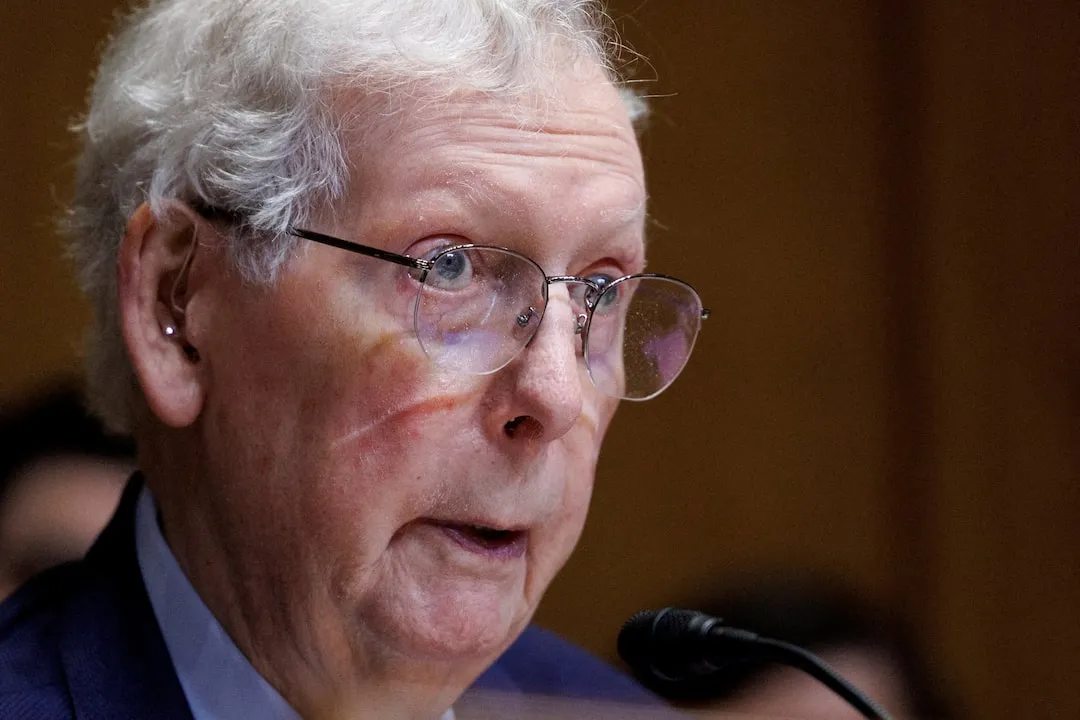
Republican Senator Mitch McConnell has firmly stated that any nominee for Director of National Intelligence must possess substantial experience to receive his support. He emphasized that the relevant legislation necessitates such qualifications, ruling out Pulte's candidacy as permanent DNI.
23Trump nomination battles intensify.
Opposition from Republicans has largely been a symbolic gesture in both the House and Senate so far.
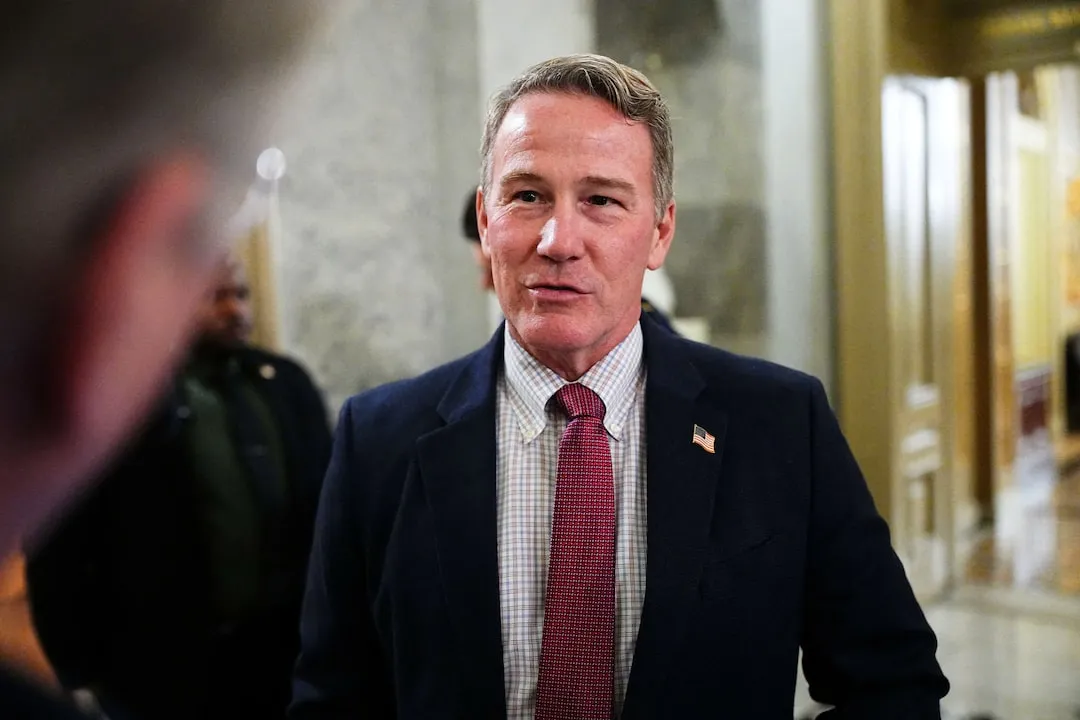
In a contentious move, three Senate Republicans - Susan Collins, Jon Husted, and Dan Sullivan - allied themselves with Democrats to block Trump's controversial "anti-weaponization" funding initiative on Thursday, but ultimately failed in their joint effort alongside two separate GOP bids to abolish the fund.
President Trump's key initiative to bolster border security and support Immigration and Customs Enforcement (ICE) funding is being prioritized through this legislative process. The current voting session on Capitol Hill demonstrates unity among lawmakers in backing the President's agenda.
Trump's nomination woes are set to escalate with the expected appointment of Todd Blanche as U.S. attorney general. This move will be scrutinized by the Senate Judiciary Committee, where John Cornyn holds a seat. His backing hinges on Blanche's performance under questioning, according to Cornyn. The outcome is far from certain, given the committee's history of contentious proceedings.
Cornyn clarified the role of the attorney general, emphasizing it's a public position, not a personal counsel for the President. He stressed the importance of impartial enforcement of laws.
The Trump nomination battles have reached a fever pitch, with recent developments sparking intense scrutiny.