Israeli forces launch a strike against an Iranian energy installation, marking the country's first such target since the ceasefire agreement. The assault comes in response to recent Iranian missile attacks on Israeli territory.
Israeli military operations struck a key petrochemical facility in Iran's southwestern region on Monday, as part of broader airstrikes targeting various military objectives. This action followed a reported conversation between US President Donald Trump and Israeli Prime Minister Benjamin Netanyahu.
Related ↗Soldier under investigation for fatal shooting by Israeli military police.Israeli forces launched a surprise attack on the Mahshahr petrochemical complex in Iran, marking the first military strike on an energy site within the country since the April 8 ceasefire. Damage was reported to various sections of the facility.
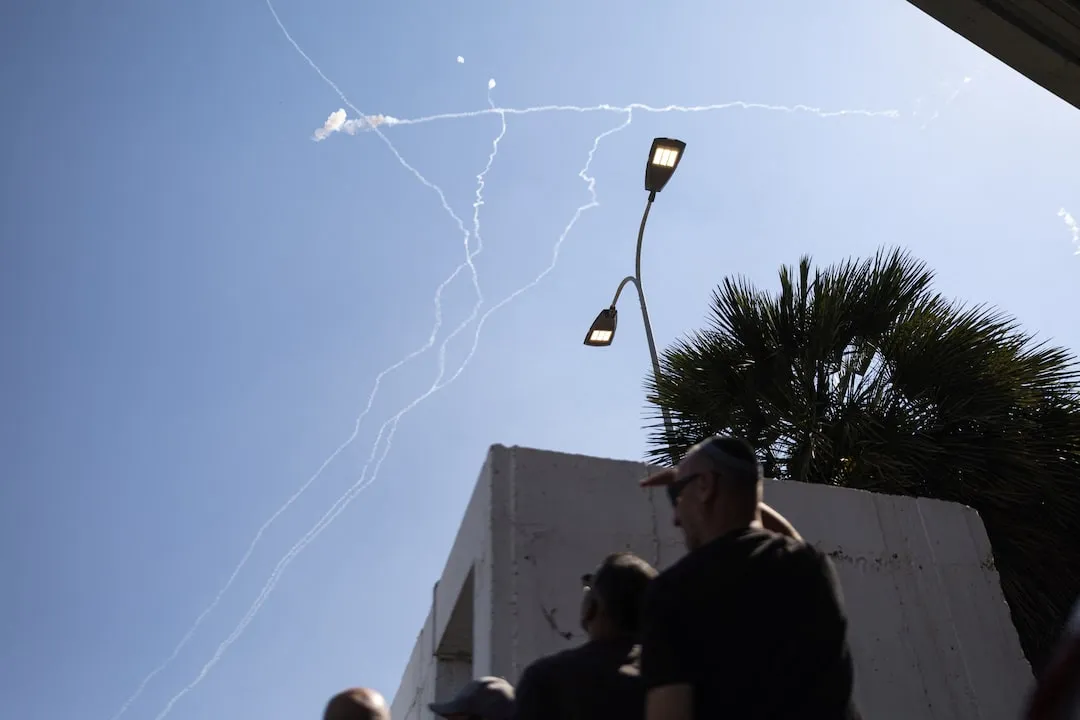
Houthi rebels in Yemen, aligned with Iran, vowed to disrupt Israel's sea traffic in the Red Sea after launching a missile strike that prompted Israel's military to deploy its air defense systems for the first time since the ceasefire was implemented.
Read next ↗President Trump vows to urge restraint from Israel in response to Iranian retaliation.The Houthis assert that any hostile actions are fair game for their military, as stated in their official declaration.
Earlier in the day, President Trump had stated that any future attacks from Israel or Iran wouldn't impact ongoing negotiations with Tehran. He also noted that Israeli Prime Minister Netanyahu wasn't the one making key decisions.
Israel was urged by Trump to halt its operations in Lebanon, creating space for a potential agreement to bring an end to the broader conflict with Iran, which he had previously criticized in a heated phone conversation.
On Sunday, Israel initiated a surprise attack near Beirut, marking its first such operation in the region since the US unveiled a ceasefire proposal for Lebanon recently.
In response to Trump's warning, Iran launched a barrage of missile strikes against Israeli positions, yet the US president maintained that a broader peace deal was still achievable.
Trump dismissed concerns that his rebuke would affect the deal, stating he alone holds authority in decision-making processes, while Netanyahu's influence is limited.
10Israeli Air Strikes Hit Iranian Facility.
Israeli Defence Forces confirmed a targeted operation against Iranian military installations just a short time after the initial assault. Reports from Iran indicate that Israeli aircraft deployed ballistic missiles to carry out these strikes.
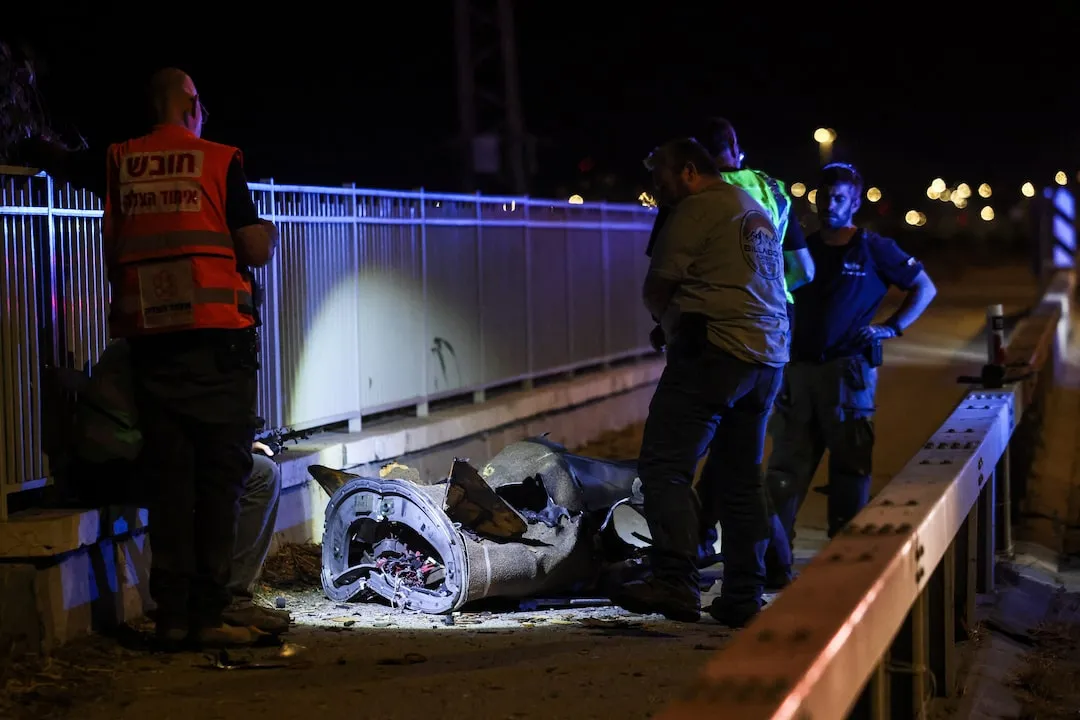
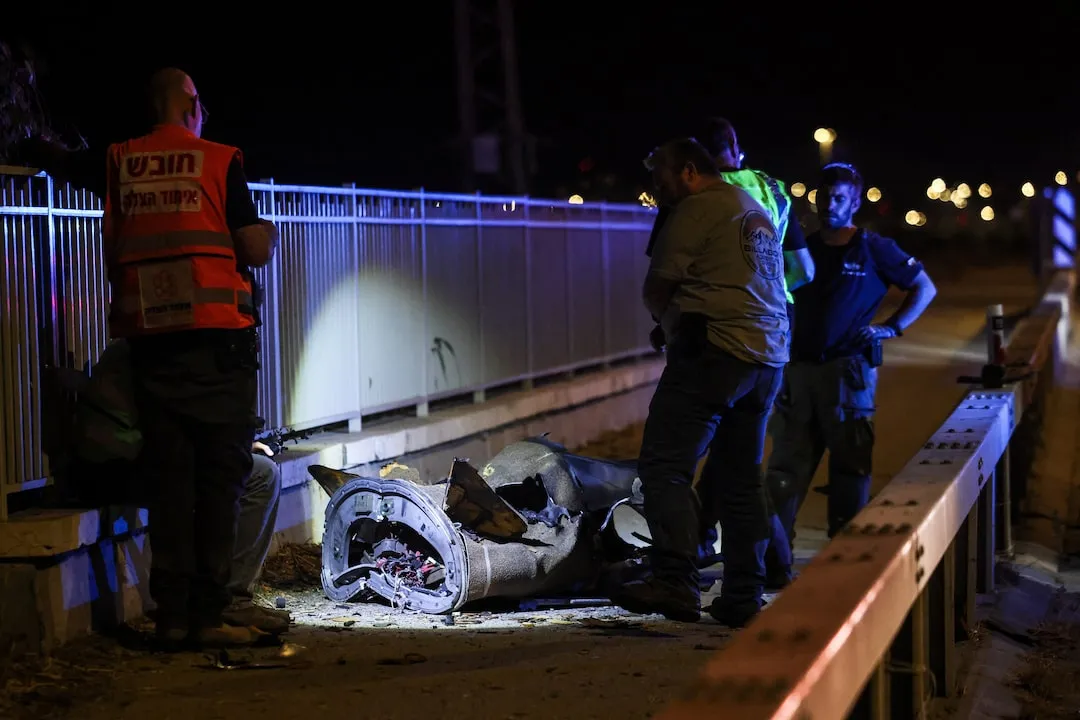
Yechiel Leiter, Israel's ambassador to the US, stated that Iran launched 11 ballistic missiles at Israel. The diplomat condemned the Iranian regime, labeling it "maniacal" and stating its actions have reached a breaking point.
Israeli military operations are focused on disabling Iran's surface-to-surface missile capabilities altogether.
Oil prices surged by over 3% on Monday as the escalating tensions pushed Brent futures beyond $96 per barrel once again.
Israel's military reported that it had launched airstrikes against multiple objectives in Mahshahr.
Iranian officials confirmed that personnel were swiftly evacuated from the premises following a series of air strikes, with assessments underway to determine the extent of any damage incurred. Five production units within the facility had already been targeted as of February 28, marking a significant escalation in the ongoing conflict.
Iran's Revolutionary Guard Corps claimed to have struck the Ramat David air base in the vicinity of Nazareth. Israel's military confirmed intercepting incoming missiles fired from Iranian territory.
18Netanyahu receives urgent call from Trump to delay further strikes.
An Israeli official revealed that Netanyahu received a phone call from the US President's golf club in Bedminster, New Jersey, lasting approximately 30 minutes on Sunday morning.
Requests for comment from the White House and the Israeli Prime Minister's Office went unanswered initially.
A US official revealed that Trump made an urgent phone call to Netanyahu, advising him to hold off on further military actions until a potential agreement was within reach.
Talks have been ongoing between parties involved, yet Israel continues to launch strikes in Lebanon amidst its separate conflict with Hezbollah, which Israeli officials argue is distinct from the Iran ceasefire negotiations.
A key condition for any potential peace agreement between the US and Iran is a simultaneous ceasefire in Lebanon, where Israeli forces intervened in March to counter Iranian-backed militants firing projectiles and drones into Israel from Lebanese territory.
Parliamentary Speaker Mohammed Baqer Qalibaf stated that US military installations and Israeli interests are fair game due to ongoing hostile actions, specifically the breach of accords in Lebanon.
Iran's aggression against Israel was notably absent until the latest developments on Sunday.
Repeatedly, Trump emphasized a near-deal between Washington and Tehran to end the ongoing conflict.
Trump warned NBC's "Meet the Press" that he was poised to unleash significant force unless a compromise was reached, as the conflict entered its 100th day on Sunday.
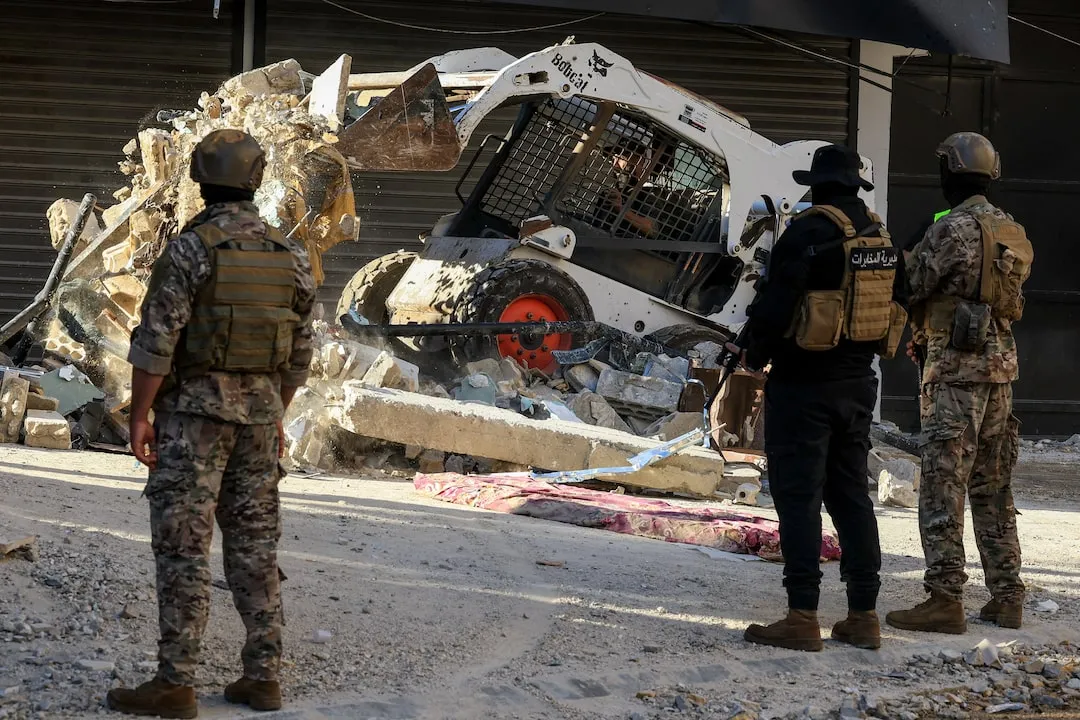
33US President Trump opposes Lebanon strikes.
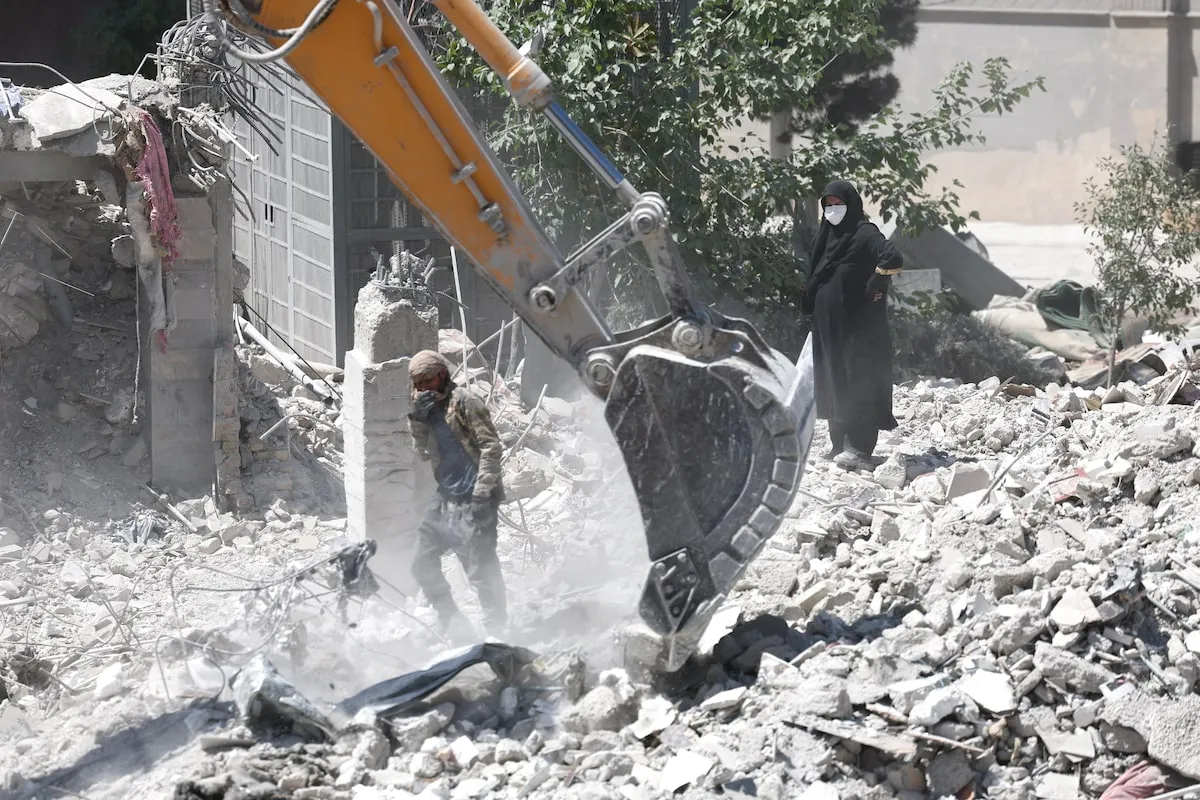
The Israeli military operation in Lebanon has continued unabated, resulting in the loss of thousands of lives and displacing hundreds of thousands of civilians.
Lebanon's Hezbollah has maintained a stance of non-engagement in peace negotiations, yet continues to launch attacks, insisting that it won't relinquish its arsenal until Israel ceases hostilities and vacates the country.
Israeli Prime Minister Netanyahu confirmed that airstrikes in the Dahiyeh area of Beirut's southern suburbs were authorized following Hezbollah's missile launch towards Israeli territory.
The conflict has been at a standstill since the US and Israel temporarily halted their strikes against Iran in early April. This pause coincided with Tehran's decision to block most shipping through the Strait of Hormuz, which transports nearly 20% of global crude oil and liquefied natural gas supplies.
The United States has enforced a maritime blockade on Iran's ports.
Despite progress towards a tentative agreement to unblock the strait, tensions between Washington and Tehran have continued to escalate through repeated military exchanges. Recent flare-ups have targeted neighboring Arab nations housing US military facilities.
The US President insists that any peace agreement must thwart Iran's ability to acquire a nuclear arsenal, while facing demands to present more stringent conditions than those negotiated by his predecessor, former President Barack Obama, in the 2015 accord he subsequently disavowed.
Lebanon strikes are opposed by US President Trump, who is also facing pressure from Tehran to lift economic sanctions and unfreeze significant dollar amounts.
According to a well-informed individual, the US administration is considering making Iranian resources accessible to its Gulf allies for repairing damage caused by Tehran's actions.
Iran's deputy foreign minister, Kazem Gharibabadi, stated that diverting the country's assets would be unlawful, prompting a countermeasure from Tehran, as he spoke on Sunday.