Increasing oil production by 188,000 barrels daily is more a gesture than a tangible action, given that massive oil reserves remain idle due to the Strait of Hormuz's near-total closure.
OPEC Plus, a cartel of major oil producers, is being held back from boosting output by 188,000 barrels per day this month due to ongoing tensions between the US and Iran over a fragile ceasefire in their conflict.
Related ↗Soldier under investigation for fatal shooting by Israeli military police.OPEC Plus's recent vow to boost production is the latest in a series of promises made by the Organization of the Petroleum Exporting Countries. Typically, an output hike from these countries would drive down prices. However the current blockade has crippled a significant segment of global daily oil shipments, rendering the increase more of a gesture than a tangible solution.
The oil-producing nations' consortium emphasized the need for vigilance in market conditions, advising a measured response to unfolding events. This stance was reached after a virtual gathering of OPEC Plus member states, comprising Algeria, Iraq, Kazakhstan, Kuwait, Oman, Russia, and Saudi Arabia, following a thorough review of current market dynamics.
Read next ↗President Trump vows to urge restraint from Israel in response to Iranian retaliation.Tensions in the Middle East escalated rapidly after a series of U.S.-Israeli strikes against Iran on February 28, prompting Iran to block key shipping lanes in response, resulting in sharply rising oil and gas costs that have sparked global concerns about inflation and triggered a frantic search for alternative energy sources.
The Strait of Hormuz, connecting the Persian Gulf to the open sea, carried roughly one-fifth of global energy shipments before hostilities escalated. As a result, oil production from OPEC Plus nations dropped precipitously due to idled tankers.
The ongoing conflict has sent shockwaves through the global economy and strained diplomatic ties in the Persian Gulf region. In May, a significant development occurred when the Emirates announced its decision to withdraw from OPEC, a move that dealt a substantial blow to the Saudi Arabia-led oil cartel's operations. This departure was particularly noteworthy given the Emirates' status as OPEC's third-largest oil producer, capable of increasing output with expanded drilling capabilities.
OPEC's decision in 2023 aimed to incrementally undo a 1.65 million barrel daily output reduction, initially agreed upon by eight member countries, starting with increased July production levels.
OPEC Plus initially planned to boost daily oil output by 206,000 barrels in a previously stated decision. However a more recent adjustment allowed for an additional 188,000 barrel per day increase in May.
According to Jacques Rousseau, managing director for global oil and gas at ClearView Energy Partners, a Washington-based research firm, this latest increase holds minimal significance.
The situation remains precarious until the Strait of Hormuz reopens, according to Mr. Rousseau's statement. The majority of oil barrels from key producers like Saudi Arabia, Kuwait, and Iraq are being held back due to a lack of export destinations, mirroring the previous scenario with the U.A.E.
As long as the Strait of Hormuz remains shut down, the time it takes for global oil reserves to be replenished will drag fueling sustained price hikes, analysts warn.
According to the International Energy Agency, a significant oil supply deficit resulted from the recent closure.
Oil production from OPEC nations has plummeted to historic lows, dropping below pre-war levels by over a quarter, according to recent data from the relevant agency.
A global energy crisis is prompting several nations to prioritize the rapid growth of local renewable power generation for enhanced national self-sufficiency and security.
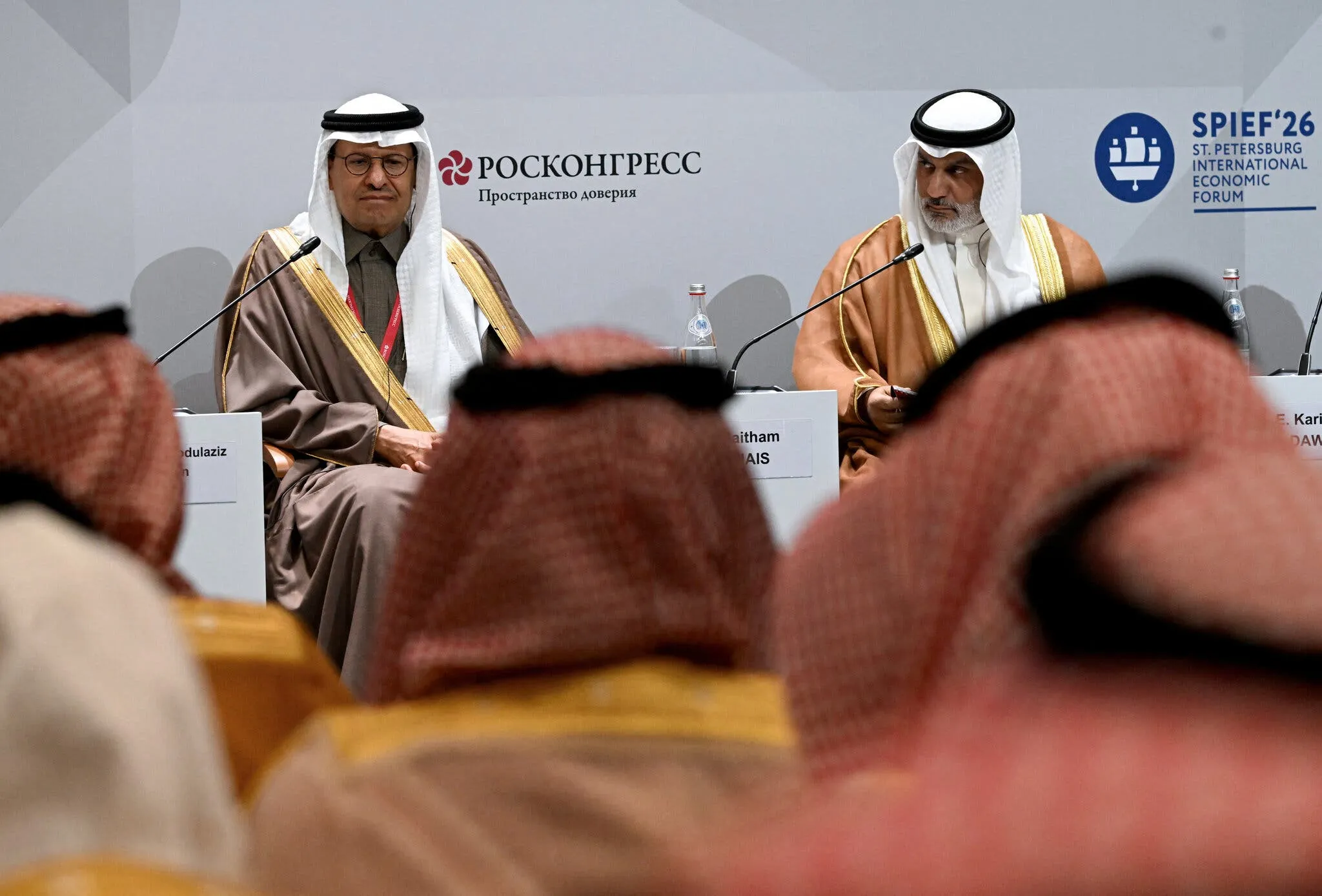
OPEC Secretary General Haitham Al Ghais reiterated on Thursday that global oil demand remains steady.
At the St. Petersburg International Economic Forum, OPEC Plus officials pointed to a puzzling reality: oil demand remains stubbornly high despite widespread claims of decline.