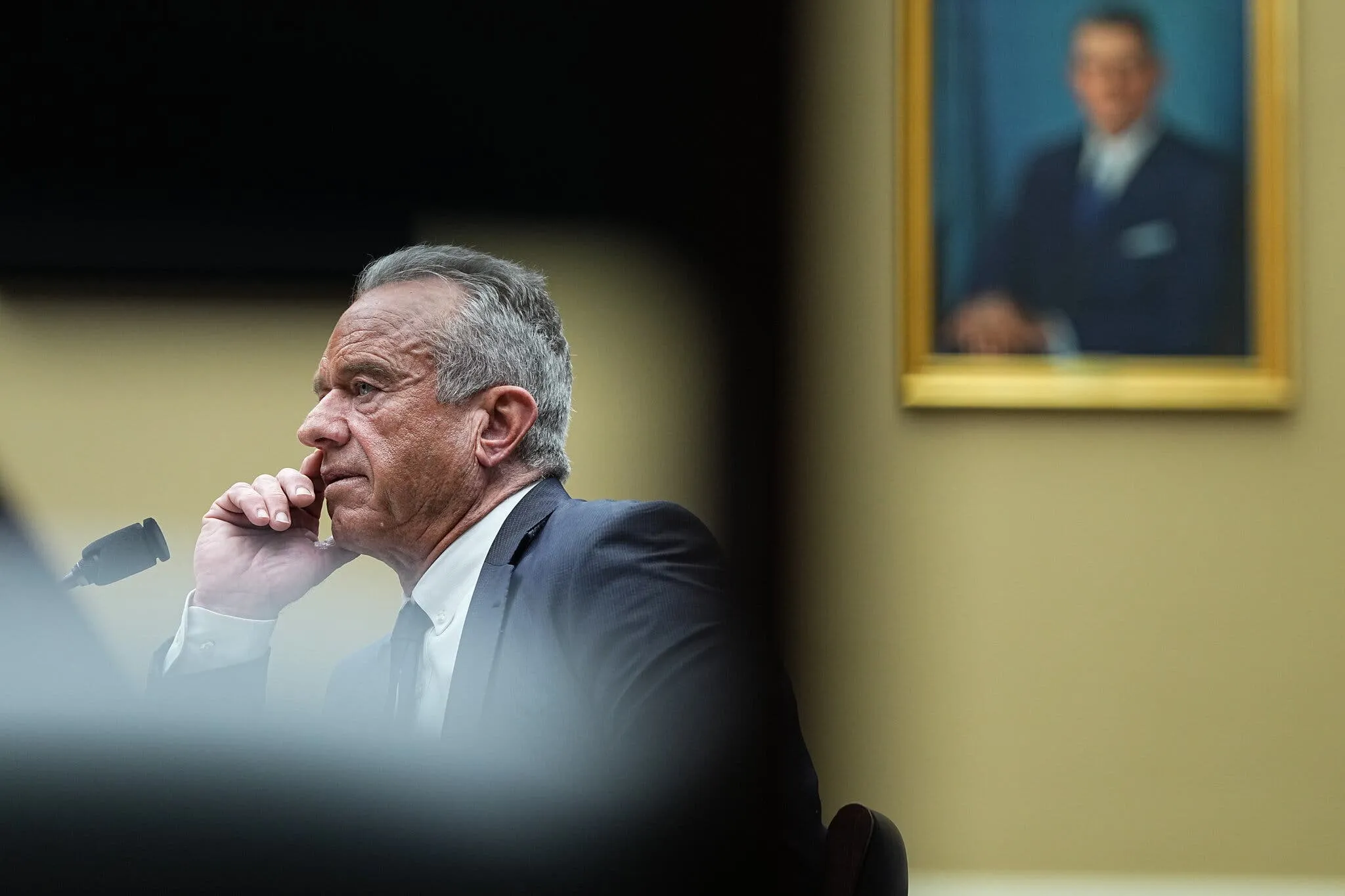
Robert F. Kennedy Jr., the Health Secretary, is reportedly not actively overseeing his department's vast operations, instead concentrating on initiatives related to food and vaccines.
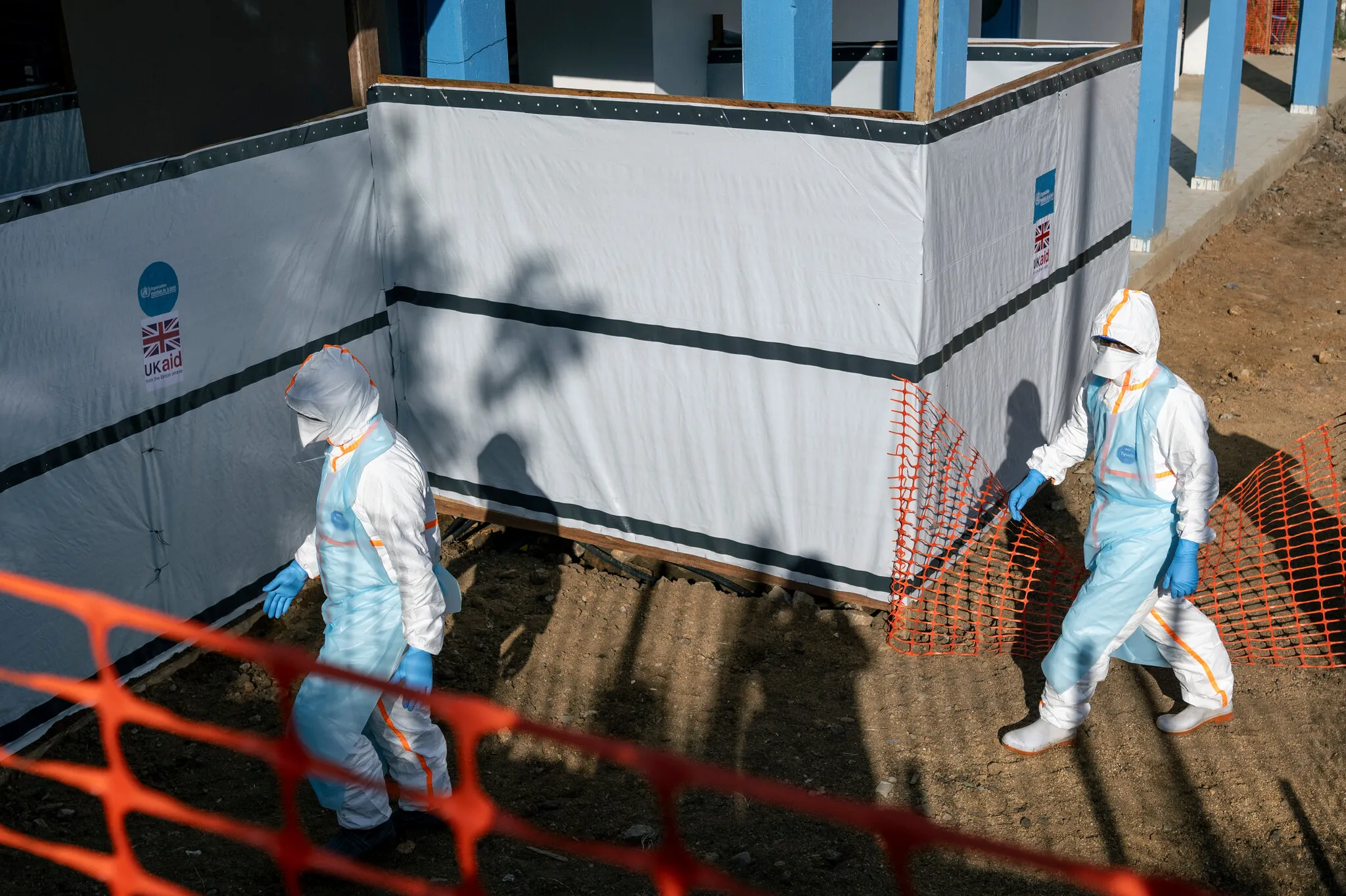
Following the WHO's declaration of an Ebola public health emergency in Africa, a journalist questioned Health Secretary Robert F. Kennedy Jr. about his concerns regarding the outbreak. At that point, six American individuals had been exposed to the virus, prompting the inquiry. His response was curt: "We're actively addressing this issue."
Related ↗A powerful earthquake measuring 7.8 magnitude hits the south of Philippines.Since the Centers for Disease Control and Prevention implemented travel restrictions nearly three weeks ago, Mr. Kennedy's public statements on the outbreak have been noticeably absent. His interactions with C.D.C. experts are similarly sparse, despite regular communication with the acting director of the agency, as insiders reveal. This limited engagement has raised concerns about his involvement in addressing the growing health crisis.
The Department of Health and Human Services is being scrutinized due to Mr. Kennedy's limited involvement in its management, an approach that has significant implications for the nation's health portfolio, which encompasses the well-being of 340 million Americans.
Read next ↗New Obesity Treatment from Boehringer-Zealand Reduces Visceral Liver Fat Effectively.Colleagues claim Mr. Kennedy's attention has been diverted from departmental responsibilities, citing a lack of engagement in the daily operations. His primary concerns appear to revolve around specific issues such as food safety guidelines and pesticide exposure research, which align with his pre-existing views on vaccine efficacy.
The Secretary's reliance on personal connections has created an atmosphere of distrust among career officials. His handpicked team dominates key positions, while seasoned professionals are being replaced by appointees reflecting his ideology. As a result, crucial roles remain unfilled and many experienced experts have left the department, leaving Mr. Kennedy somewhat disconnected from its inner workings.
Colleagues report that Kennedy infrequently interacts with Congressional members, only intervening when summoned as a witness. His attendance at the C.D.C. was notable, occurring in response to a shooting incident there in August.
Multiple sources close to Mr. Kennedy's tenure as secretary have shared their observations about his leadership approach, revealing a pattern that has sparked concern among health department staff who wish to remain unidentified for fear of repercussions.
The department and Mr. Kennedy remained tight-lipped on his approach to leading the team.
Morale within the agency has plummeted due to the secretary's limited engagement with its work, coupled with the administration's significant staff reductions and criticism of career employees. This precarious dynamic poses a risk to the department's capacity to safeguard Americans in times of crisis, as warned by public health specialists and past secretaries.
A pressing concern among critics revolves around Mr. Kennedy's sluggish response to a leadership void. With no surgeon general in place, nearly half of the 27 institutes and centers at N.I.H. are being led by interim directors. This lack of permanent leadership has already resulted in high-profile departures, including the firing of the acting chief of the National Institute for Allergy and Infectious Diseases and the nation's top drug regulator.
The sudden departure of the Food and Drug Administration's leader last month was a direct result of controversy surrounding tobacco policy. Mr. Kennedy's decision to remove the C.D.C. director in August has led to an acting administrator, Dr. Jay Bhattacharya, overseeing operations temporarily.
Michael T. Osterholm, director of the University of Minnesota's Center for Infectious Disease Research and Policy, likened a major corporation's operation to an unacceptable model. He has offered guidance to health secretaries from both political parties.
Investors would be outraged if a CEO lacked essential business acumen or key division leaders were absent, according to Dr. Osterholm. The situation is even more critical here, where safeguarding the nation's health and well-being is paramount, amidst pressing disease threats that necessitate stable leadership in crucial public health agencies.
A management overhaul is underway at the White House, with Christopher Klomp taking on a key role in February as secretary's chief counselor. Formerly a health care executive and department official, Klomp will help streamline operations. Courtney Spencer, who recently departed the Labor Department to become Mr. Kennedy's top press aide, notes that the health department is actively seeking top talent to fill all remaining positions, emphasizing that this has not hindered their ability to implement plans.
Kennedy's supporters argue that although his leadership approach diverges from those who came before him, he makes up for it with bold stances on key issues affecting American citizens, such as nutrition and combating long-term health conditions.
Delivering results is not about making friends in Washington, but rather tackling entrenched interests and decades-long practices that have become ingrained, according to Dr. Mehmet Oz, director of the Centers for Medicare and Medicaid Services and a key associate of Mr. Kennedy's. His statement emphasizes the need to achieve tangible outcomes.
Kennedy faces challenges in Washington, where a resistant Congress has thwarted confirmation of several Trump appointees, according to other advisors on his team.
Governance often descends into a toxic environment, where immense financial burdens weigh heavily on decision-makers, particularly when trillions of dollars in interest are at stake. This scenario can be overwhelming for even the most seasoned policymakers, as Calley Means, a trusted adviser to Kennedy, noted during a recent Harvard University forum discussion.
21A Remote Presence
The health department's headquarters is situated in a prominent location, adjacent to the U.S. Capitol and overlooking the National Mall.
Colleagues claim that when Kennedy is present, he begins his day with a workout at the gym before heading into the office around 10 a.m. His schedule typically allows him to depart by 4 p.m., they add. Most of his time is spent in private meetings, as observed by those who work closely with him, and direct interactions with staff are scarce.
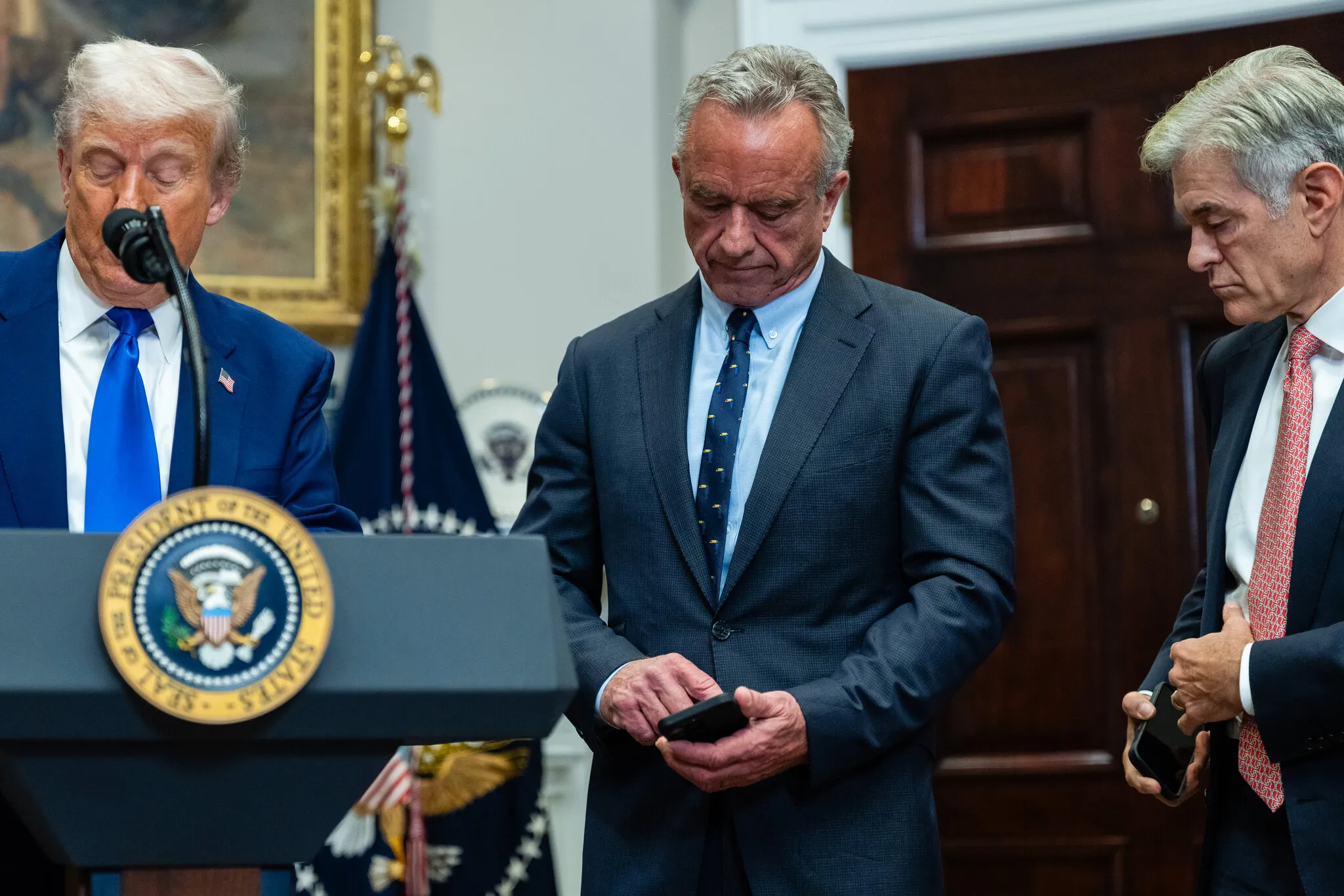
Leadership updates are presented every Tuesday at 10:30 a.m. by the chiefs of the department's 13 operating divisions, who convene in the secretary's suite. Initially, Mr. Kennedy was absent from these meetings, whether virtually or physically, sources close to his schedule confirm. Following Mr. Klomp's promotion, Mr. Kennedy now attends once monthly. Observers note that when he does participate, he often appears preoccupied and spends time browsing his phone. Several attendees describe him as detached, using the phrase "checked out" to characterize his demeanor.
Upon his delayed arrival to the meeting, Mr. Kennedy delivered an ironic apology, as recalled by someone present: "I'm grateful you tolerated my own ineptitude."
No response was received from health department officials regarding the meeting or Mr. Kennedy's statement on record.
Colleagues claim that Kennedy's lack of enthusiasm for non-essential issues has led him to miss crucial opportunities for engagement.
Dr. Demetre Daskalakis recalled being denied a briefing request by Mr. Kennedy after two Texas children died from measles in early last year, despite his own leadership of the response efforts at the time.
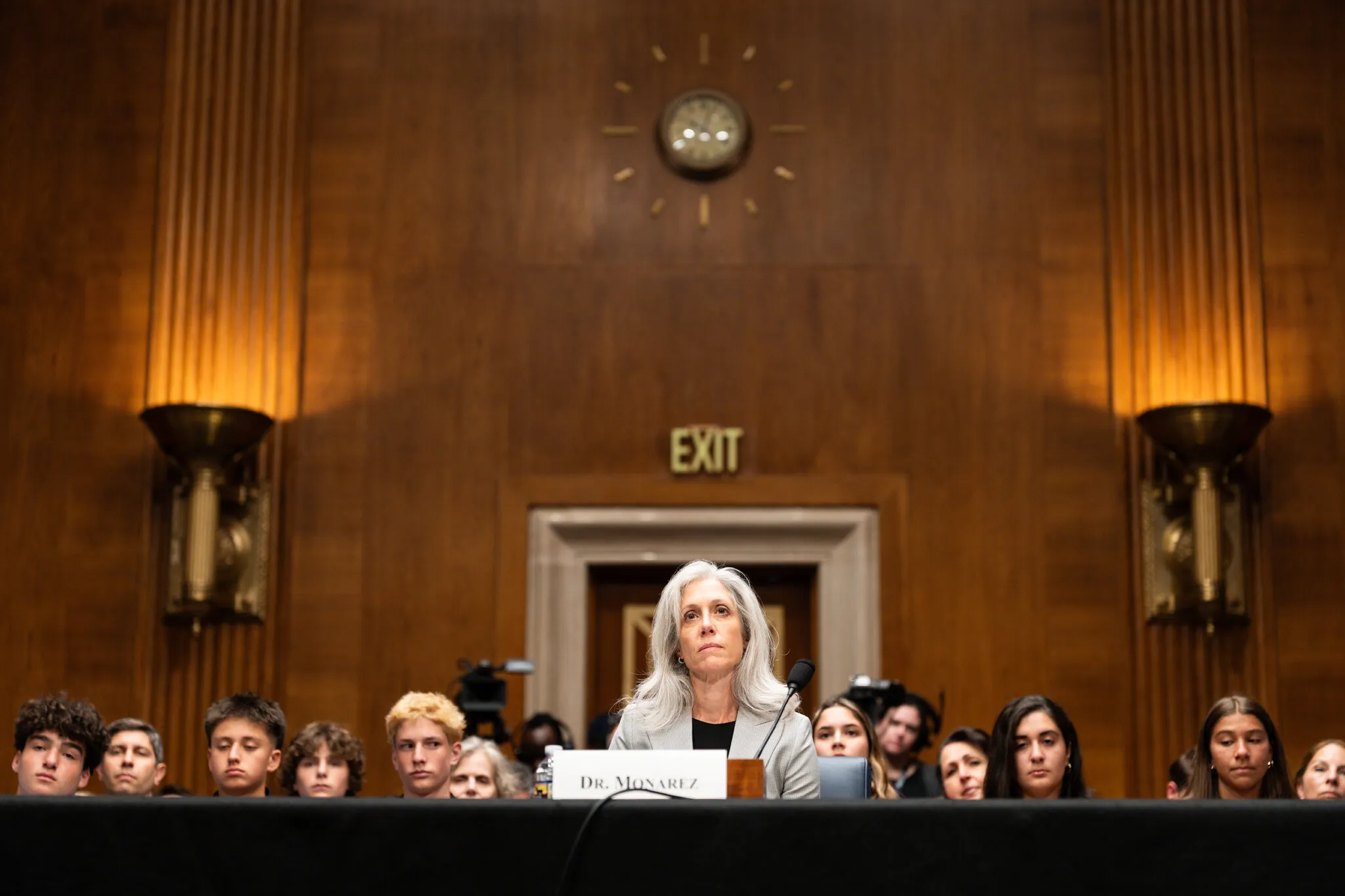
Susan Monarez's tenure as CDC director under Mr. Kennedy was marked by limited collaboration due to a policy disagreement on vaccines. Her interactions with the health secretary were strained, particularly after she incurred his disfavor over vaccine policy. In testimony before senators, Monarez revealed that during contentious meetings with the secretary, she was instructed to focus solely on working with political appointees at CDC, excluding career scientists from her efforts.
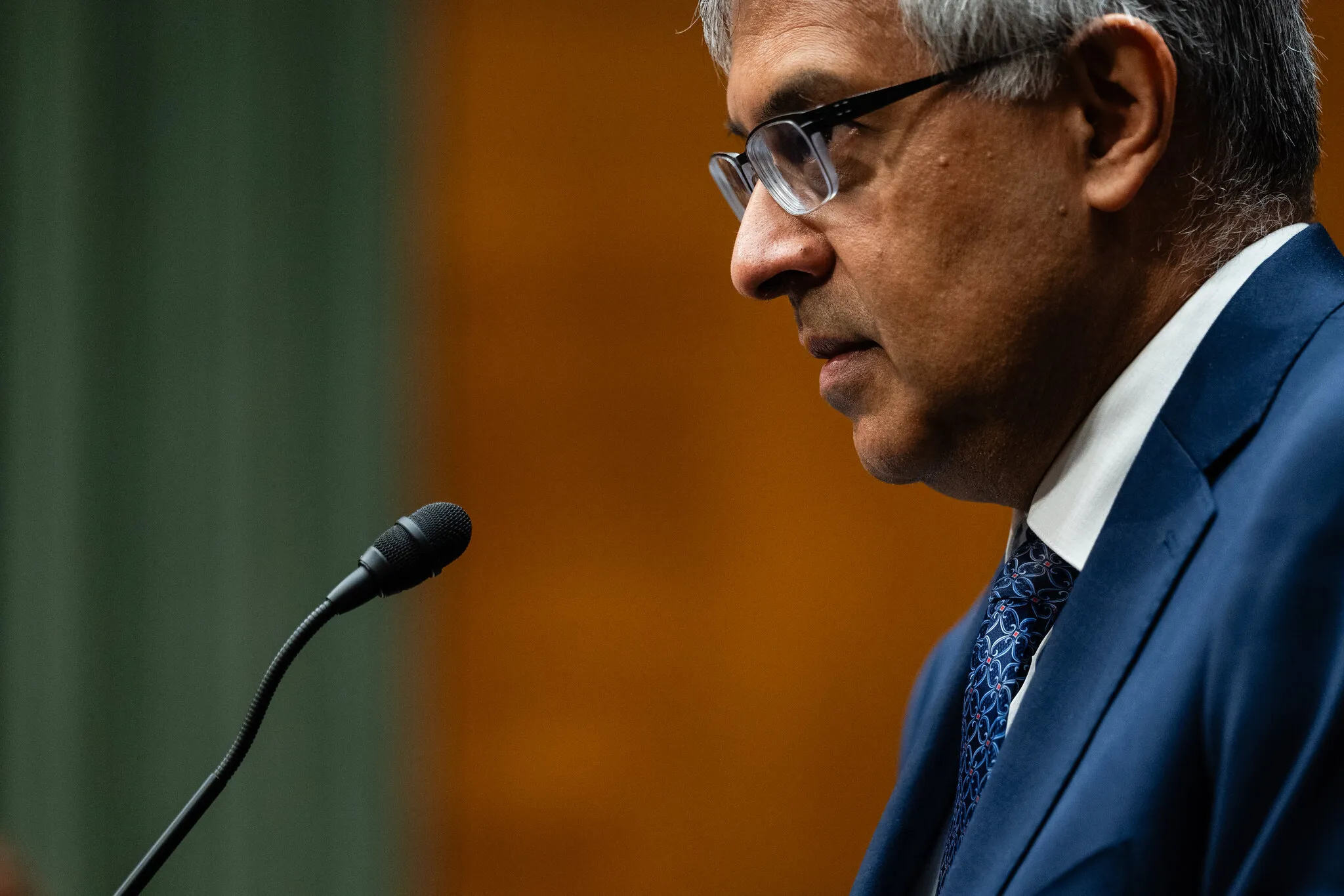
The ongoing Ebola crisis has prompted concerns over Mr. Kennedy's limited role in the department's response efforts. Dr. Bhattacharya, now at the helm of the C.D.C.'s response, lacks prior experience in public health despite leading the organization. This lack of expertise was also evident during his handling of a recent hantavirus outbreak. In an opinion piece published on Wednesday in The Wall Street Journal, Dr. Bhattacharya emphasized that while the risk to the American public remains low, Ebola poses a significant threat.
According to Kush Desai, a White House spokesperson, the Department's swift reaction to the Ebola crisis demonstrates Secretary Kennedy's commitment to protecting public health and wellbeing nationwide under her guidance.
According to Ms. Spencer, the H.H.S. spokesperson, a swift and synchronized response was implemented by the health department under Mr. Kennedy's direction.
Vacancies within the health department have significantly hindered the team's ability to respond effectively, insiders claim confidentially.
Currently overseeing the Administration for Strategic Preparedness and Response is John Knox, a seasoned veteran who previously led Firefighters4Freedom, a group he established in response to COVID-19 vaccine mandates while serving as a Los Angeles firefighter. His tenure has been marked by limited involvement from Kennedy.
The State Department's handling of the US relationship with an international vaccine alliance has come under scrutiny after Secretary of State Marco Rubio subtly criticized a decision made by Mr. Kennedy to withhold funding from the alliance last year, implying departmental involvement in its management.
Mr. Rubio informed lawmakers that the health portfolio will be revisited, with a focus on achieving tangible results.
39A Daunting Portfolio
Managing the Department of Health and Human Services is a monumental task. With 13 operating divisions tackling diverse issues like child welfare and pandemic readiness, it's no wonder past secretaries from both parties cite three essential elements for success: grasping the intricacies of each division, maintaining effective crisis communication, and fostering robust collaboration with state, local, and international health authorities.
Upon taking office, Tommy G. Thompson immersed himself in the inner workings of each operating division, dedicating a week to each one. His tenure was marked by regular appearances on Capitol Hill, where he actively lobbied for his department's interests. In a recent interview, Mr. Thompson expressed his strong endorsement for Kennedy to follow a similar approach when assuming leadership responsibilities.
Mr. Thompson emphasized that managing such a large and intricate portfolio requires thorough preparation.
Former Governor Kathleen Sebelius, who stepped down as Health Secretary under President Barack Obama's administration, reported frequent meetings with top officials, drawing parallels between their roles and her own gubernatorial cabinet.
Ms. Sebelius emphasized her objective of being thoroughly informed by scientific experts, ensuring that key agencies such as N.I.H. and F.D.A. were actively involved in decision-making processes, alongside global health specialists. Her experience was shaped by those with prior knowledge and expertise, who effectively guided her through the complexities of the role.
Stefanie Spear, Mr. Kennedy's trusted confidante, wields significant power on his behalf, having been by his side since his early days as a lawyer specializing in environmental issues, insiders reveal about their close working relationship.
The secretary's policy projects are meticulously documented by Ms. Spear, who maintains a confidential spreadsheet accessible only to her, containing over 50 key initiatives, according to an individual familiar with its contents.
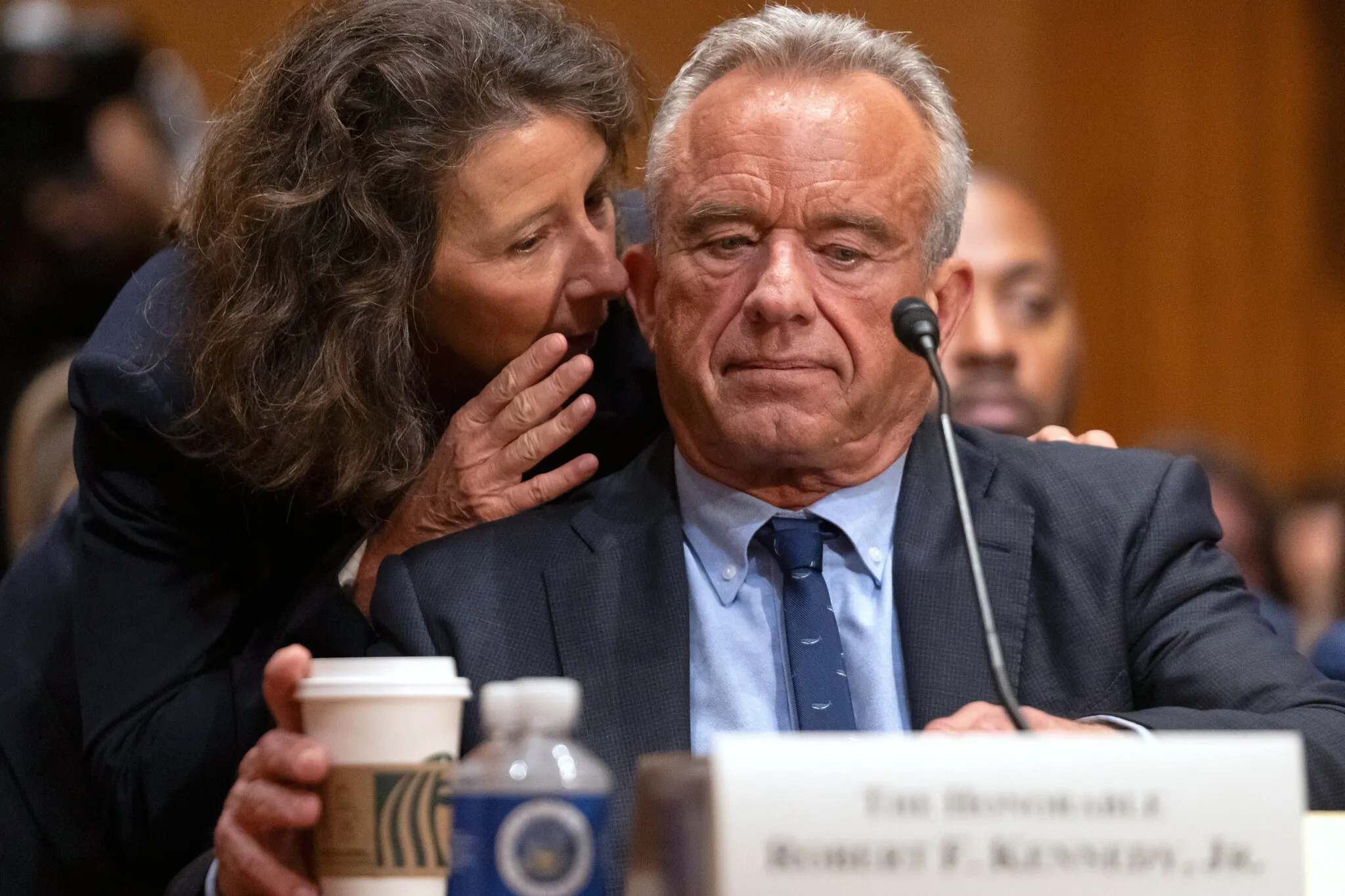
Requests for the secretary's decisions and meetings are funneled through Ms. Spear's office. In response to queries, Mr. Kennedy often directs inquirers to "run it by Stefanie" first.
Her colleagues claim that her strict management style is hindering progress within the department.
The FDA's plan to review mifepristone's safety was put on hold due to limited involvement from Mr. Kennedy's team. The agency had proposed updating its databases of electronic records to aid in the research, but progress stalled for several months as a result of bureaucratic delays.
The shooting at the C.D.C. in August had significant implications for Mr. Kennedy's role in health matters. His absence on a fishing trip with Native American leaders in Alaska raised questions about his level of engagement. The health department was eager to release a statement, but it was delayed due to White House clearance issues.
Departures from the health portfolio have been attributed to frustration with Ms. Spear's role in managing Mr. Kennedy's public statements.
Kennedy's team has experienced significant turnover, with three spokespeople having held the position so far. Two chiefs of staff have also left under his tenure: one was terminated outright, while the other was replaced by Klomp after being reassigned.
Mr. Kennedy acknowledged the exceptional leadership skills of Mr. Klomp and Ms. Spear in a statement, highlighting their significant contributions to government effectiveness. He commended Mr. Klomp for his pivotal role in advancing operational excellence and accountability within H.H.S., ultimately yielding tangible results for Americans. Meanwhile, Ms. Spear maintains team focus on delivering outcomes that align with the president's and Mr. Kennedy's priorities.
The search for a new C.D.C. director has accelerated under Mr. Klomp's leadership, with a nominee currently awaiting Senate confirmation. In addition, he is actively seeking top agency leaders to fill key positions. The secretary has also established a new team of policy advisors and implemented regular meetings between himself and the heads of the F.D.A., N.I.H., C.D.C., and Centers for Medicare and Medicaid Services.
Mr. Kennedy has initiated a regular newsletter, addressing employees directly as "the dedicated professionals of H.H.S." to boost employee morale.
Key decisions have been made without the secretary's knowledge. Dr. Tracy Beth Hoeg's departure from the F.D.A.'s top drug regulator position in May was only revealed afterwards, insiders claim, citing three individuals privy to the situation. The secretary's limited involvement has raised questions about her oversight role.

Kennedy's influence on America's health dialogue is undeniable, particularly when it comes to healthy eating habits. Despite court setbacks hindering his vaccine initiatives, he has achieved notable successes in shifting the national focus. Notably, he has successfully overhauled the traditional food pyramid and encouraged medical schools to revamp their nutrition curricula. Additionally, some food manufacturers have begun to phase out artificial dyes from their products.
Kennedy frequently travels and leverages his platform aggressively to promote his key initiatives, such as on social media and "The Secretary Kennedy Podcast," which launched in April. Recently, he visited Wisconsin to highlight the contributions of dairy farmers and faith-based organizations addressing addiction recovery, while also stopping in New Hampshire to unveil a plan to combat Lyme disease effectively.
Kennedy's colleagues note that he frequently travels to Scottsdale, Arizona, to visit family members residing there, as well as to Florida, where he is a guest at Dr. Oz's Palm Beach estate.
Following Memorial Day, a brief appearance by Mr. Kennedy was observed publicly. A video surfaced showing him, dressed formally, catching two black racer snakes on Dr. Oz's patio, with one of the reptiles inflicting an injury.
Journalist Apoorva Mandavilli provided research assistance for this story.