The Ebola outbreak in the DRC has shown notable improvement, despite concerns it began as far back as January. The testing backlog is decreasing, albeit slowly, with approximately 45% of identified contacts successfully tracked by health authorities.
According to the World Health Organization's latest update, significant progress has been made in addressing the Ebola outbreak in the Democratic Republic of Congo, with a total of 344 confirmed cases reported as of now, alongside 60 confirmed fatalities.
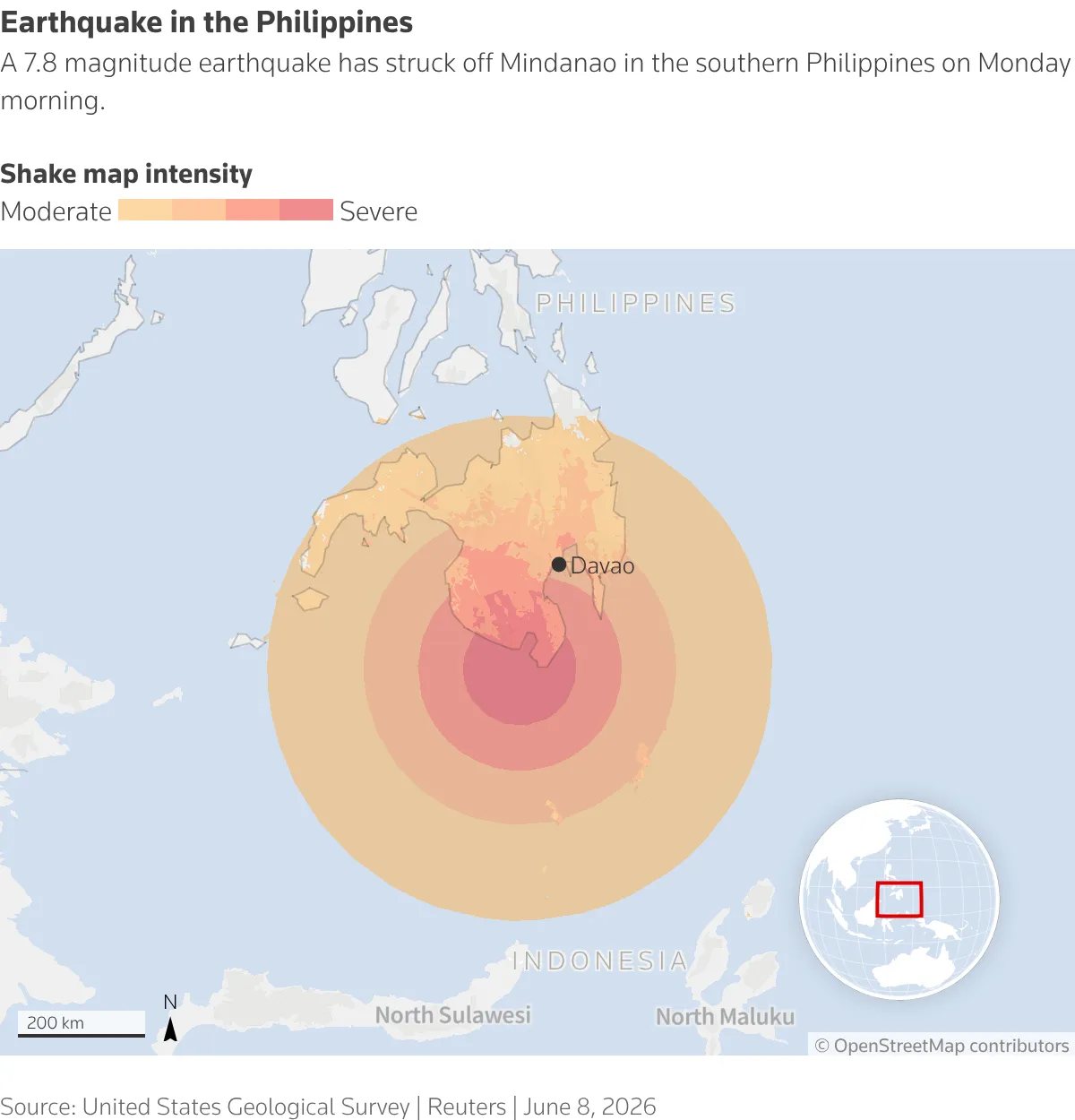
Related ↗A powerful earthquake measuring 7.8 magnitude hits the south of Philippines.The Ebola outbreak in DRC gained momentum early yet progress has been steady with 344 confirmed cases reported, thanks to the government's effective leadership.
A surge in Ebola cases has been observed, specifically tied to the Bundibugyo strain, with neighboring Uganda reporting 15 confirmed cases and a single fatality so far.
Read next ↗New Obesity Treatment from Boehringer-Zealand Reduces Visceral Liver Fat Effectively.Improved access to diagnostic tools has led to the clearance of numerous initial Ebola suspect cases, according to the World Health Organization. This is particularly relevant as the standard Ebola tests are ineffective against the Bundibugyo strain responsible for the current outbreak, resulting in a testing delay.
The field team is focused on eliminating a significant testing delay. To date, the laboratory has processed 1,445 tests, effectively eradicating nearly all outstanding backlogged samples. Meanwhile, as surveillance efforts enhance, an increasing number of new potential cases are being identified daily by Abdirahman Mahamud, WHO director of health emergency alert and response operations.
A total of 116 suspected cases remain under investigation for further testing, according to the latest information. Meanwhile, a separate team is meticulously reviewing the circumstances surrounding 220 reported fatalities to determine their potential link to Ebola.
In the Democratic Republic of Congo and Uganda, a total of eight individuals have successfully overcome Ebola, highlighting the importance of timely medical intervention for those afflicted with the disease.
Scaling up testing capacity and contact tracing remains a significant challenge for the outbreak response, which is hindered by disrupted supply chains caused by restrictive travel measures in some countries.
The current follow-up rate for contacts is approximately 45%, but it's imperative this number increases to at least 90% to effectively manage the situation.
The Director-General emphasized that the outbreak could potentially date back to January, with ongoing investigations attempting to confirm this timeline, while urging containment efforts.
The World Health Organization anticipates a substantial financial burden of at least $115 million over the next three months, with 35% already secured through fundraising efforts, according to Chikwe Ihekweazu, head of emergencies.
The launch of a comprehensive plan and fundraising campaign is imminent, scheduled to take place in collaboration with key stakeholders such as the Africa Centres for Disease Control and Prevention and local authorities from the Congo and Uganda governments this Friday.