American troops remain on high alert amidst a delicate truce, while wounded veterans and their families grapple with the emotional toll of war.
Following President Donald Trump's directive to strike Iran fourteen weeks ago, the US military has been navigating a precarious middle ground between combat and calm, a delicate balance it had not anticipated.
Related ↗Soldier under investigation for fatal shooting by Israeli military police.US military personnel stationed in the Middle East are navigating a volatile environment where skirmishes with Iranian forces occur regularly, while naval vessels enforce a blockade on Iran's ports. Meanwhile, back home, the Pentagon is racing to increase production of depleted ammunition supplies as families of service members grapple with the emotional toll of prolonged deployments.
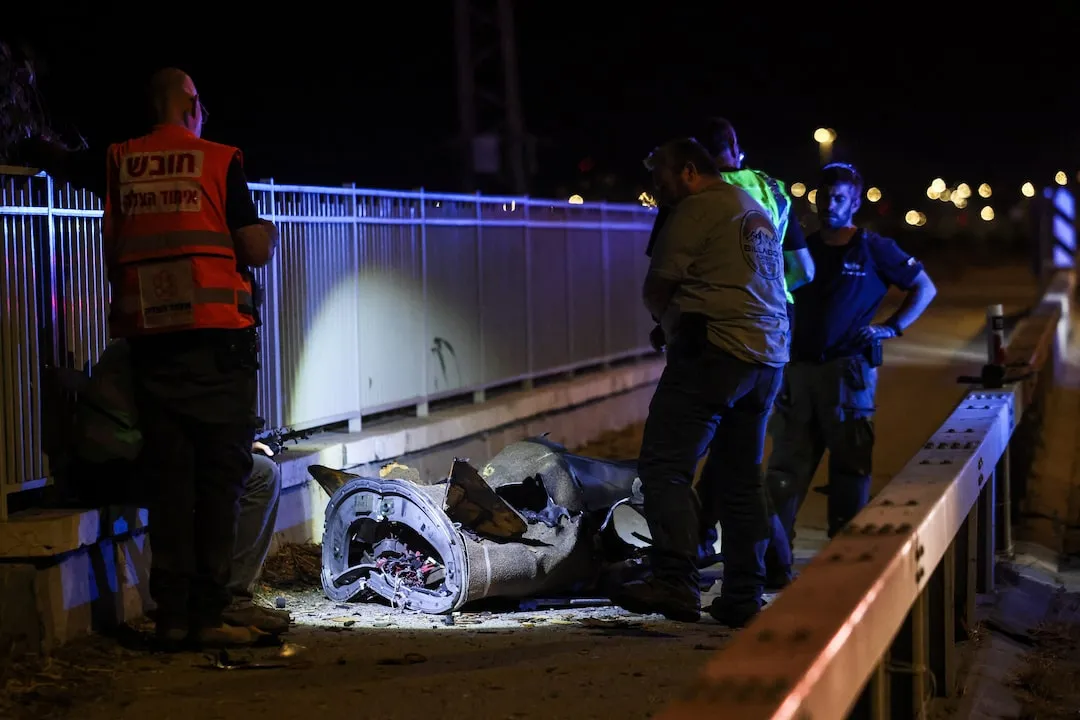
Iran's aggression persists as it launches counterattacks against US-backed nations in the area, including Bahrain and Kuwait, hit by a recent ballistic missile assault.
Read next ↗President Trump vows to urge restraint from Israel in response to Iranian retaliation.The conflict between the US and Iran persists despite President Trump's initial declaration of a ceasefire in April, which has given way to an ongoing stalemate. The Strait of Hormuz remains partially blocked, while Trump continues to warn of renewed hostilities if diplomatic efforts falter.
U.S. military personnel must remain in a heightened state of preparedness constantly.
Preparations involve replenishing missile and interceptor stockpiles at military outposts, as well as analyzing data from unmanned aerial vehicles and satellites to identify potential targets within Iran's borders if conflict escalates.
A state of heightened readiness, akin to "Level 10" alert, requires unwavering vigilance from American military personnel, who must be prepared to deploy at a moment's notice, a challenging and stressful endeavor.
Former US Central Command Commander Joseph Votel warned that the ongoing conflict poses a significant threat to American forces. Maintaining troop readiness during a fragile ceasefire proves to be an immense operational challenge.
Leaders face significant stress in ensuring personnel remain mentally sharp throughout the challenging period.
Pentagon officials emphasize readiness to assist deployed service members through various means, according to spokesperson Sean Parnell's statement yesterday.
American military personnel demonstrate extraordinary bravery and unwavering dedication, earning them a reputation as the world's most formidable fighting force, according to Colonel Parnell.
14War's Human Cost Rises Steadily
US soldiers convalescing from wounds must adapt swiftly to the prolonged nature of modern warfare realities.
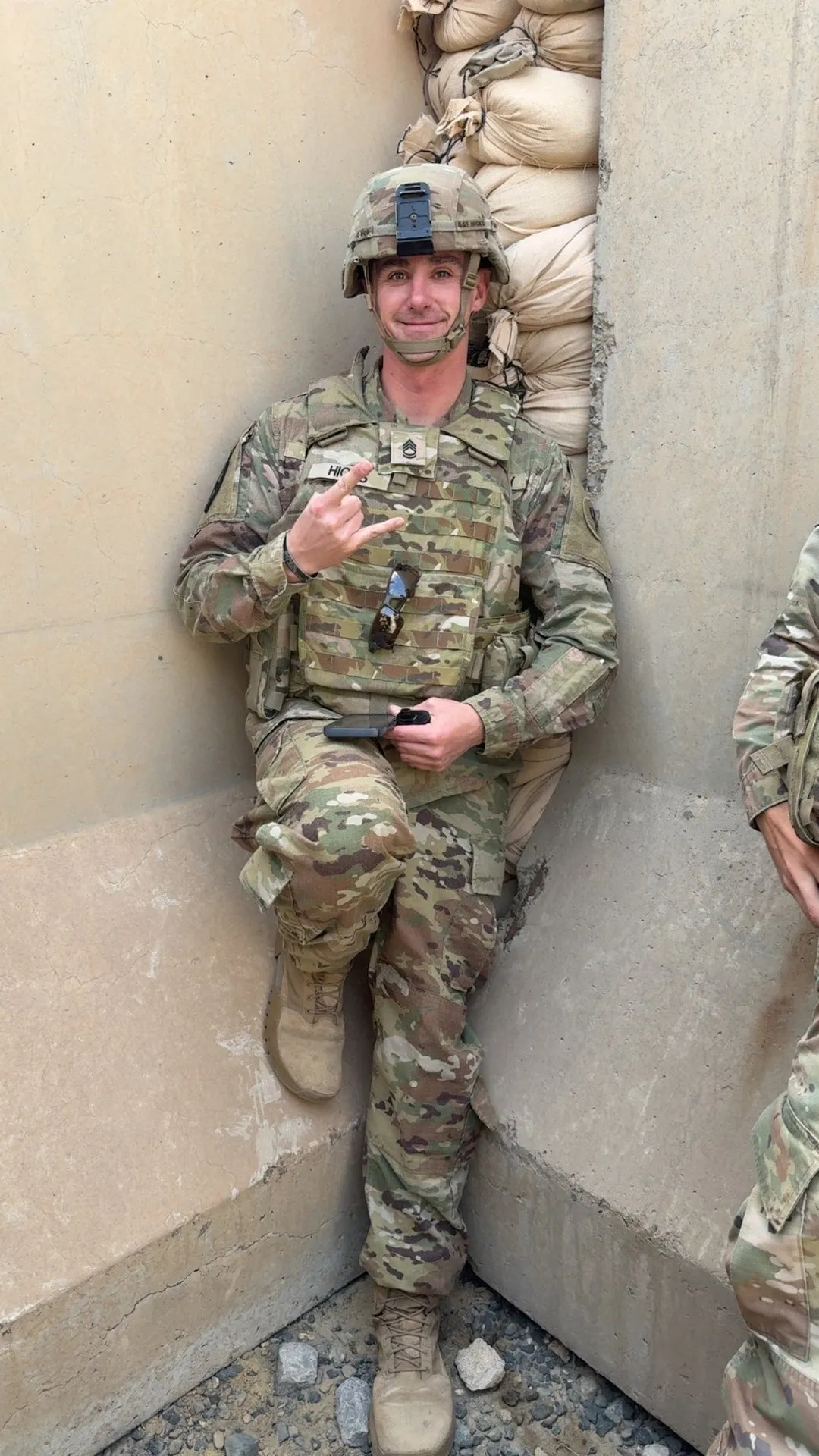
Sergeant First Class Cory Hicks, 37, U.S. Army Reserve, narrowly escaped death after being struck by an Iranian drone in the initial stages of the conflict, his heart stopped for several minutes.
Hicks' ordeal is compounded by severe physical trauma, including a shattered jaw and a life-altering head wound caused by shrapnel that tore through his body.
Hicks vividly recalls the sound of an approaching aircraft, likening it to a small prop plane hurtling towards its destination at alarming speed. The impact was devastating, as the plane crashed into the building, causing a massive explosion that sent flames shooting high into the air. The intense heat and pressure were overwhelming, forcing Hicks to evacuate immediately.
Walter Reed National Military Medical Center in Maryland is currently dealing with an influx of combat-related patients, a trend that has persisted even years after the conflicts in Afghanistan and Iraq. This development is evident in the rising number of cases being treated at the facility, as seen in Hicks' own experience.
The war's toll on American personnel is mounting steadily, with approximately 400 troops suffering injuries, including many who've sustained traumatic brain damage akin to Hicks' case. Notably, nearly 90% of these wounded soldiers have successfully resumed their duties, according to U.S. military reports. Thirteen fatalities among service members have been reported thus far.
U.S. military families face increasing stress as they navigate uncertainty surrounding the ceasefire's unfolding developments daily.
Regularly, Iranian state media disseminates reports on alleged attacks against US vessels and aircraft. The incident in question supposedly occurred last Friday when Iran claimed to have fired warning shots at US warships in the Gulf of Oman, a claim disputed by the US military.
Yadira Dessaint, whose son serves in the Army Reserve, expresses deep concern about the lack of transparency regarding ongoing military operations in her native San Fernando Valley, California.
A mother, Dessaint, requests anonymity for her son due to concerns about potential backlash from US forces. Her anti-war protests have coincided with a decline in public support for President Trump.
A mere quarter of those polled by and Ipsos in May believed US military intervention in Iran was justified.
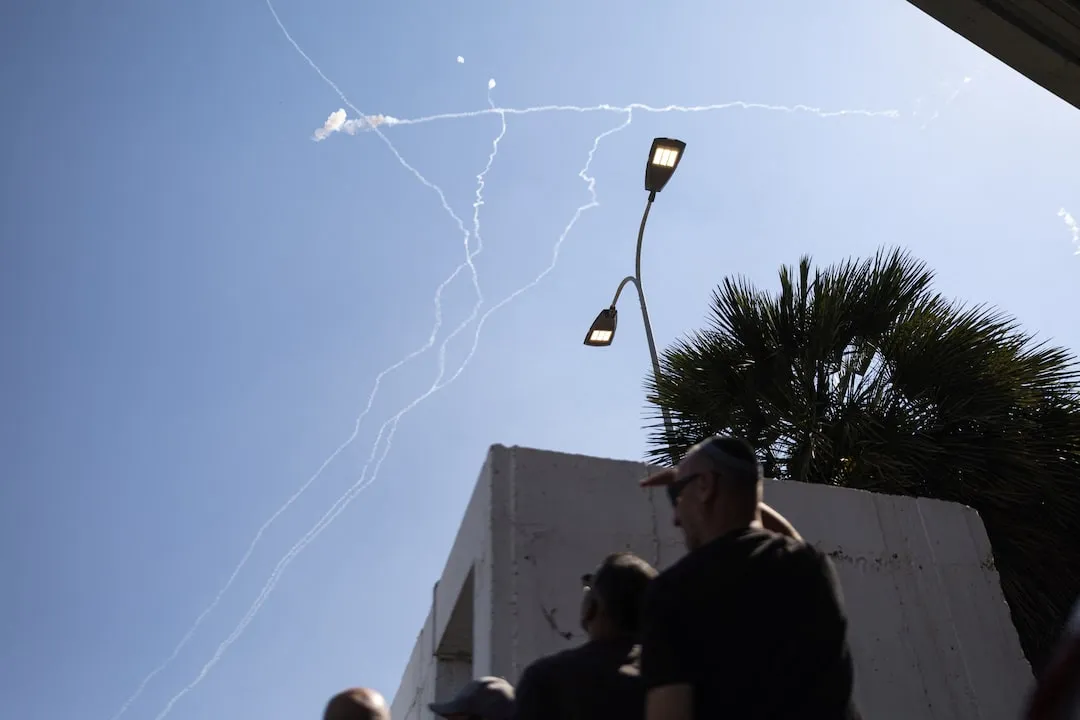
Her son has witnessed numerous aerial assaults on his location, with the remnants of downed Iranian drones scattered nearby due to effective air defense systems.
Dessaint habitually sends a daily message to her son, expressing affection and letting him know she's thinking of him. Occasionally, he responds with brief but heartfelt messages.
28Enduring Danger
The US and Iran are engaged in delicate negotiations over access to the Strait of Hormuz, a critical waterway through which 20% of global oil shipments were routed before the conflict escalated. Any potential agreement appears poised to prolong the current ceasefire, but may sidestep contentious issues like Tehran's nuclear ambitions for now.
The ongoing situation implies a prolonged period of tension for US forces.
Military operations are bearing the weight of excessive ammunition usage, as evident from the substantial expenditures incurred during the conflict. According to Defense Secretary Pete Hegseth, restocking U.S. missile and interceptor supplies will be a lengthy process spanning multiple years.
According to Tom Karako, director of the Missile Defense Project at the Center for Strategic and International Studies in Washington, D.C., inventory depletion poses a significant threat.
Equipment and personnel suffer alongside the missiles fired during prolonged conflicts, according to Karako's assessment.
In Maryland, Hicks maintains a connection with his comrades from the US military stationed overseas, where deployment extensions have become increasingly common amidst ongoing conflict.
Conditions have improved significantly for those affected by the conflict. The severity of the ongoing threat has diminished substantially in recent times.
Six comrades lost their lives in the Kuwait assault that left Hicks severely injured, a painful reminder of his harrowing experience, alongside Sergeant First Class Nicole Amor, age 39.
The conversation with Sergeant Amor was interrupted by a sudden explosion, which occurred just a short distance from where she stood, approximately ten feet away from him. The incident has left an indelible mark on his life.