Federal Reserve Chairman Warsh has pledged a thorough examination of established policies, potentially leading to adjustments in operations. Advising on this process are experts Daniel Heil and Paul Winfree.
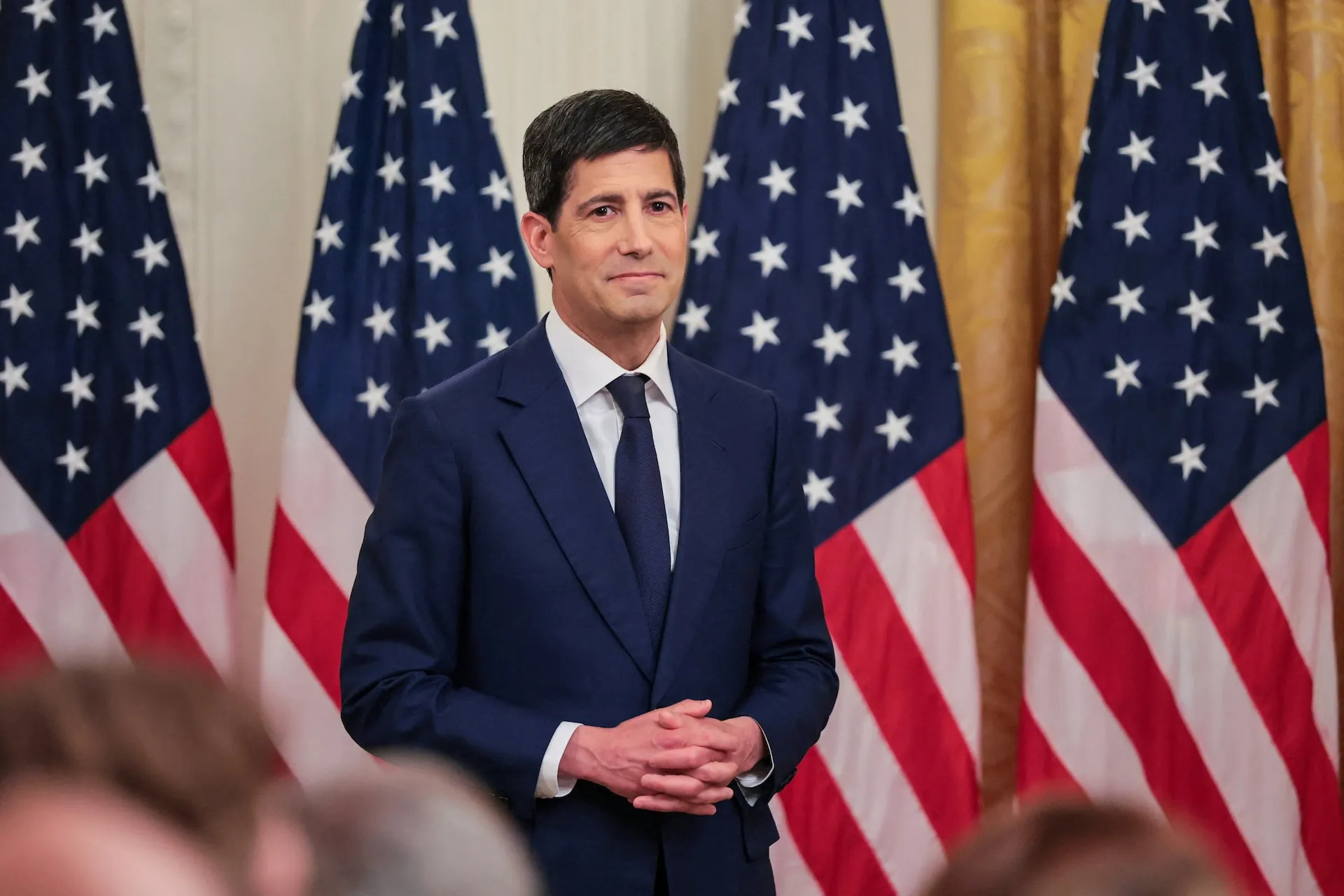
As Federal Reserve Chairman, Kevin Warsh committed to honoring the esteemed customs of the institution in a message to its workforce exceeding 20,000 individuals. He began his four-year tenure by vowing to scrutinize potential innovative approaches alongside established practices.
Related ↗British companies halt recruitment amid Iran conflict impact, REC research indicates.Warsh's approach to reforming the central bank involves reviving its core mission while addressing criticisms of his own. This effort is evident in internal memos that outline a comprehensive overhaul of the institution's operations.
Warsh's top goal is to make sound monetary decisions that align with the Fed's mandate and benefit the nation. The memo emphasizes creating a productive atmosphere where employees can excel in their roles, as stated by Warsh.
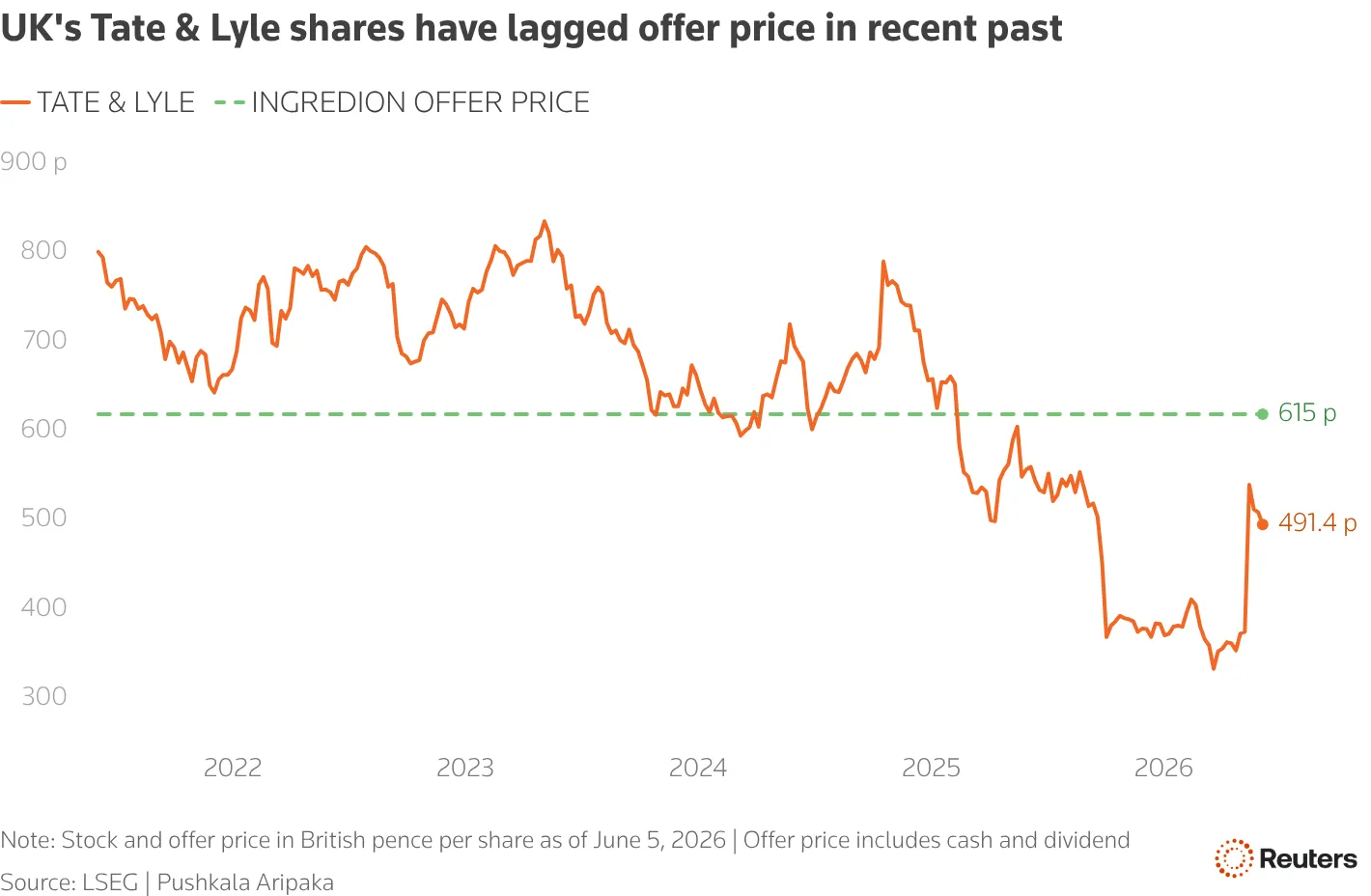
Read next ↗Tate & Lyle accepts a £2.7 billion all-cash acquisition from Ingredion.Warsh emphasizes the importance of adapting to superior methods, discarding outdated approaches in favor of more effective ones. He anticipates collaborative quarterly assessments of the Fed's tactics, plans and activities.
As part of his transition, Warsh has enlisted two seasoned analysts from the conservative camp to provide guidance during a brief interim period following his assumption of office from outgoing Fed Chair Jerome Powell, who is now Governor. The appointments, initially disclosed by the Wall Street Journal, are classified as temporary contractor roles designed to facilitate Warsh's planning for his inaugural initiatives as chair.
Paul Winfree, a former Heritage Foundation expert, contributed to the think tank's Project 2025, a comprehensive blueprint for conservative reform that includes a critical examination of Federal Reserve reform. Meanwhile, Daniel Heil serves as a policy fellow at Stanford University's Hoover Institution, where he previously worked alongside current Fed chair Warsh.
Warsh's collaborations with experts from both institutions have been instrumental in various research endeavors over the past few years, according to the source. His prolific output during his tenure as a fellow at the Hoover Institution is also notable, particularly through his contributions to think tank Group of Thirty publications.
Federal Reserve leader Warsh has outlined his vision for modernizing the institution while preserving its core traditions. He advocates reducing the Fed's massive $6.7 trillion balance sheet and adopting a more nuanced approach to discussing interest rates, which are set to influence economic growth. New metrics for tracking inflation may also be explored.
During his time in consideration for the top spot, Warsh frequently expressed skepticism about the Powell-led Fed's methods, particularly its expansion into areas traditionally outside monetary policy jurisdiction, such as those governed by the 12 regional reserve banks.
With him now at the helm of the institution he once questioned, Warsh adopted a decidedly more optimistic stance.
The Federal Reserve is embarking on a significant journey, marked by unprecedented technological advancements and innovative business practices that are unfolding at an extraordinary pace. As the Fed's leader, I am filled with unbridled enthusiasm for our collective potential to drive meaningful progress.
Warsh's inaugural comments on the economy and monetary policy are scheduled for June 16-17, marking a pivotal moment in his tenure as chair. The Federal Reserve will likely maintain current interest rates, but fresh economic projections will provide insight into the direction of policy under Warsh's leadership and gauge concerns about inflation, which remains above target at 2.7%.
He begins his term under unconventional circumstances.
A Supreme Court decision looms over the Federal Reserve, which could have far-reaching implications for its ability to set monetary policy unencumbered by external influence, a core tenet of its operations since its inception.
Warsh will also lead an entity comprising Powell, its previous chief, who opted to stay put on the Fed's Board of Governors despite the administration's attempts to sway him.