US oil producers have seen benefits from a hypothetical Strait of Hormuz closure, says Sechin. Disruptions to alternative routes are also a concern for him.
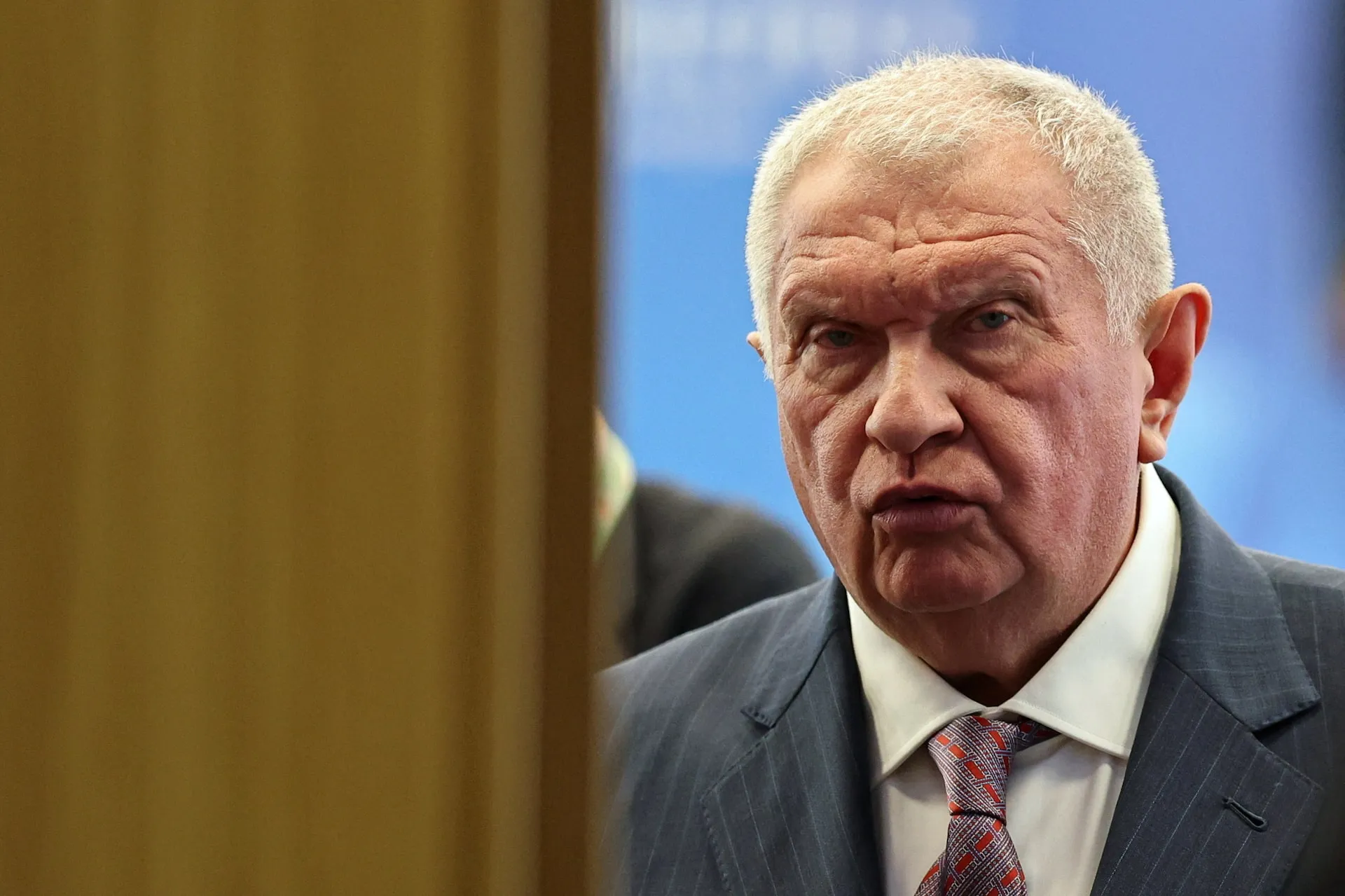
Chief Executive Igor Sechin of Rosneft (ROSN.MM) cautioned on Saturday that US energy companies stand to reap significant benefits from a potential closure of the Strait of Hormuz, yet warned that prolonged tensions in this vital shipping lane could ultimately erode global crude demand by nearly one fifth.
Related ↗British companies halt recruitment amid Iran conflict impact, REC research indicates.The Strait of Hormuz, a critical waterway, was effectively blocked by Iran following a US-Israeli strike that targeted and resulted in the demise of Supreme Leader Ayatollah Ali Khamenei in February. This move had significant implications for global trade, particularly for oil supplies which account for nearly one-fifth of worldwide exports.
Vladimir Putin's close ally, Igor Sechin, views US actions as a deliberate shift in the global energy landscape aimed at serving American interests, yet he warns that the associated strategic perils have not been thoroughly evaluated or considered.
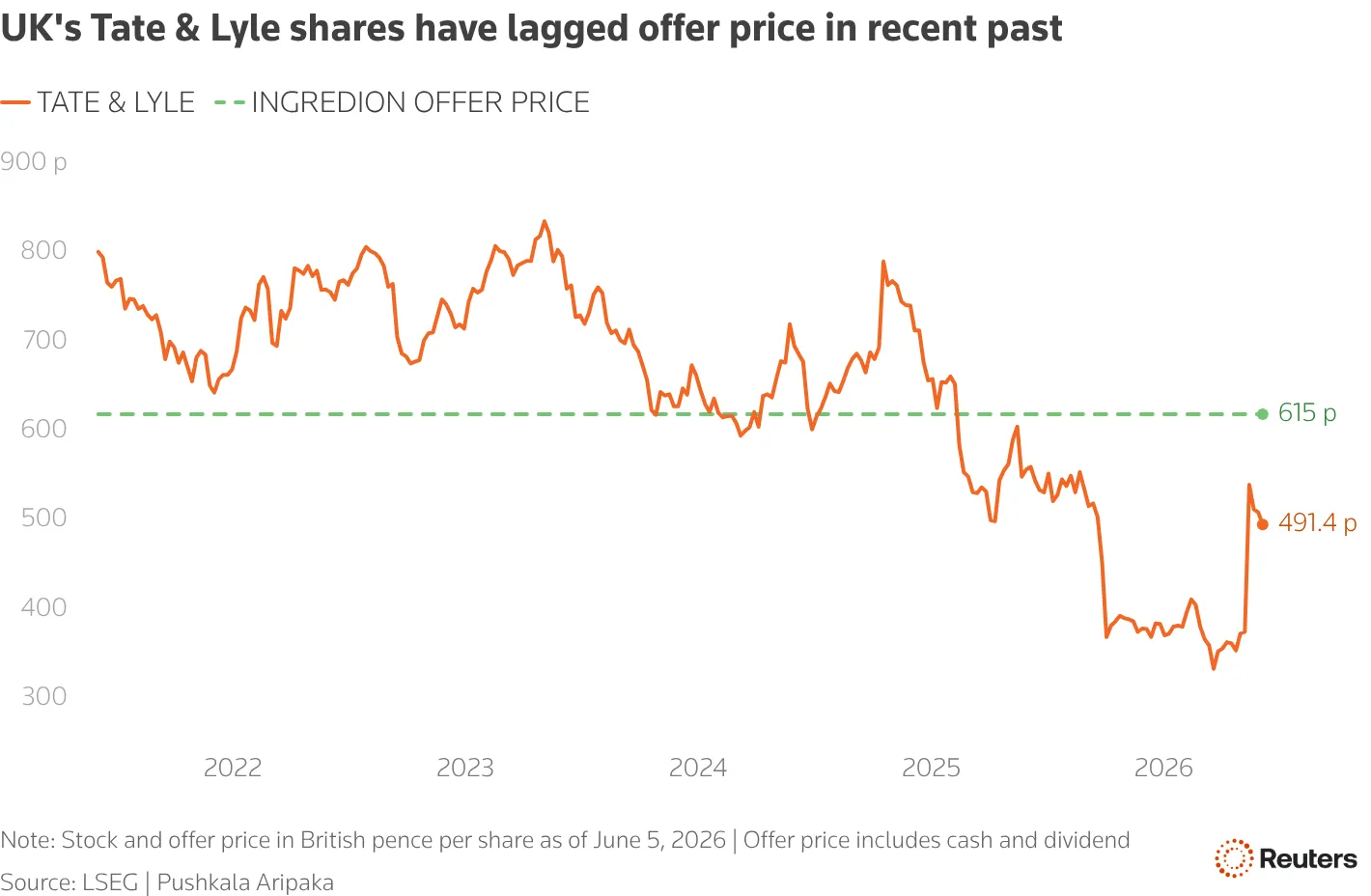
Read next ↗Tate & Lyle accepts a £2.7 billion all-cash acquisition from Ingredion.Global energy market dynamics are being manipulated through the Strait of Hormuz closure, with a clear intention to favor US interests. The measures implemented to restrict the strait's flow had an unintended consequence: they affected the world at large, not just Iran. Sechin emphasized the underestimation of strategic risks during his St. Petersburg International Economic Forum address.
American companies capitalized on the situation, securing lucrative deals with non-competitive advantages and access to expensive supplies. Prolonged tensions in the Strait of Hormuz have dampened long-term oil demand, potentially sparking a renewed interest in alternative energy sources instead.
US dominance in oil production stands at a significant level, trailed closely by Saudi Arabia and Russia.
Russia's tax revenue from oil and gas surged in May, reaching 678.9 billion roubles ($9.3 billion), an increase of 32.4% year-on-year. This substantial rise can be attributed to a global oil price rally driven by ongoing conflict in the Middle East. Meanwhile, the US has granted a sanctions waiver permitting purchases of Russian seaborne oil for countries severely impacted by the Iran war, classified as "energy-vulnerable".
China's state policy has been instrumental in preparing them for potential crises, notes Sechin, yet he warns that other critical shipping lanes like Malacca, Bab El Mandeb, and Gibraltar are equally vulnerable to disruptions.
By next year's end, oil prices are expected to hover between $95 and $96 per barrel if the Strait opens soon. Market dynamics suggest a decline to $80-$85 within a year after that, before reverting to fundamental values by mid-2027, according to Sechin's assessment.
Rosneft Executive Igor Sechin of Rosneft (ROSN.MM) cautioned on Saturday that US energy companies stand to reap significant benefits from a potential closure of the Strait of Hormuz, yet warned that prolonged tensions in this vital shipping lane could ultimately erode global crude demand by nearly one fifth.
11Global Peril Looms
Sechin warned that global issues are rapidly escalating as major powers intensify their military buildups, creating a massive economic bubble reminiscent of the 19th century, while shortages loom in critical areas such as energy, sustenance and hydration supplies.
Sechin warned that beneath the surface of current issues lies a complex web of impending crises, including severe power outages, food scarcity, and critical metal deficiencies.
Russia's energy chief Igor Sechin expressed doubts about Moscow's partnership with OPEC, citing a decline in the OPEC+ coalition's influence due to several member nations' withdrawals, including the UAE, which left the group, as well as earlier departures by Qatar and other countries.
The alliance's output has plummeted by 21 million barrels daily over the last decade, reaching a current level of 37 million barrels per day.
OPEC+ member nations have substantially boosted their output following the 2016 accord, with a notable exception being Russia, where daily oil production plummeted to 1.5 million barrels.
The forecasted 15% drop demands substantial countermeasures, specifically, a minimum investment of 10 trillion rubles to mitigate its effects. Enhanced collaboration on investments is anticipated between the alliance's member states and Russia, as stated by Sechin.