Renewed Middle East tensions and soaring oil prices sparked a downturn in global market sentiment, exerting downward pressure on the South African rand from the outset of trading on Monday.
Renewed Middle East tensions sent shockwaves through global markets on Monday, causing the rand to falter in early trading due to increased oil price volatility.
Related ↗British companies halt recruitment amid Iran conflict impact, REC research indicates.As of 0721 GMT, the South African rand had depreciated by approximately 0.3% versus the US dollar to 16.6050.
On Monday, the dollar hovered close to its highest level in two months as investors anticipated a US interest rate increase following a robust US employment report. Meanwhile, Brent crude oil surged by over $4 per barrel.
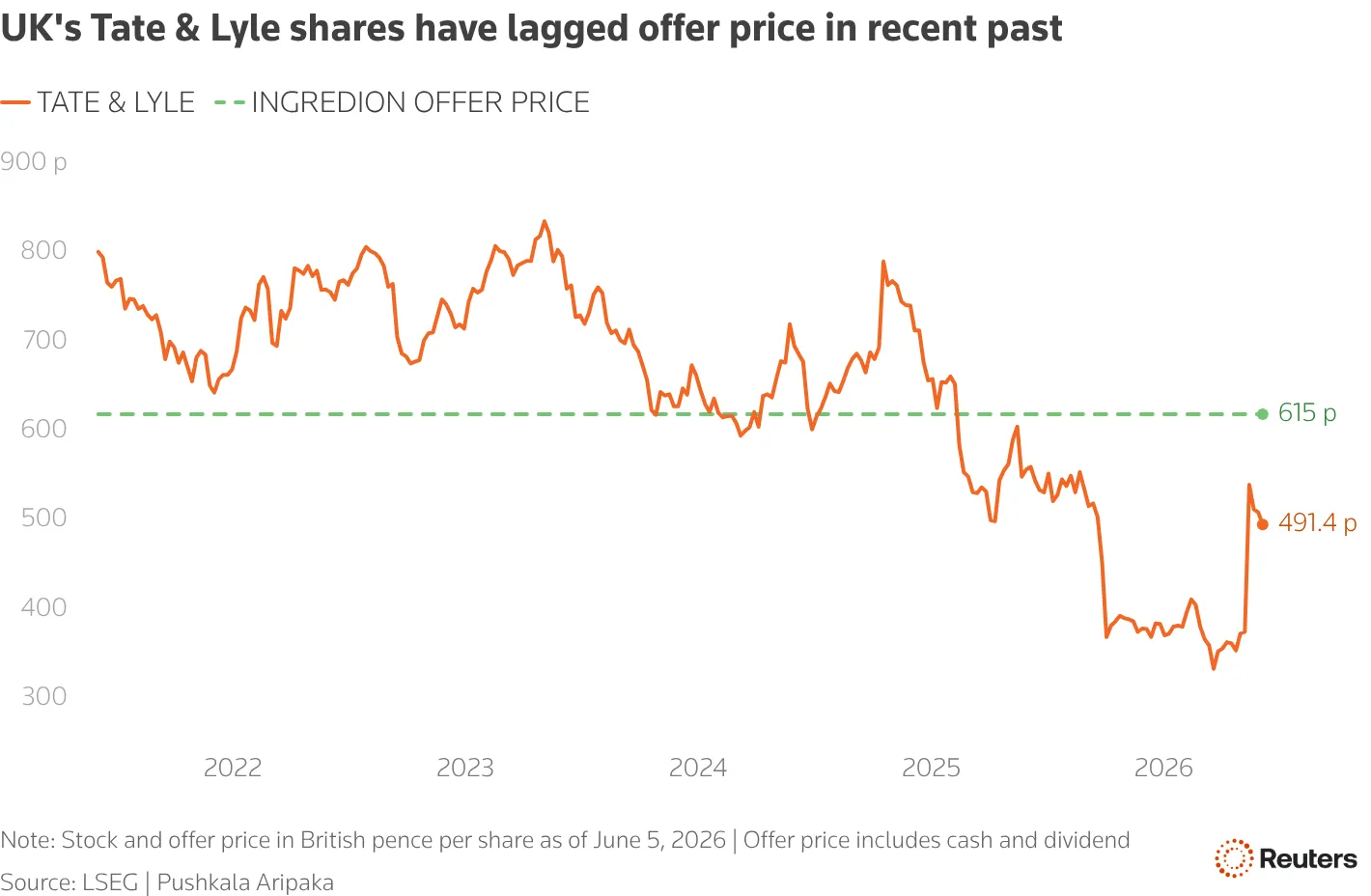
Read next ↗Tate & Lyle accepts a £2.7 billion all-cash acquisition from Ingredion.Reports indicate that Israel launched airstrikes against Iranian targets, including a petrochemical facility in the country's southwestern region, despite US President Donald Trump's alleged warning to Israeli Prime Minister Benjamin Netanyahu to desist from further action.
The South African rand is facing a triple threat: the strengthening US dollar, soaring oil costs, and escalating tensions between Israel and Iran are all taking their toll on the currency's value.
Global market fluctuations have a profound impact on the rand's value, particularly when it comes to risk-sensitive currencies like South Africa's. The currency's performance is closely tied to international events, such as the ongoing conflict in the Middle East.
Investors focused on South Africa will scrutinize key economic indicators this week, including gross domestic product figures due out on Tuesday, as well as data on the current account and mining sectors, all set to be released by Thursday.
The Top-40 index on the Johannesburg Stock Exchange saw a 0.6% decline at market opening.
Early market activity showed the South African rand weakening alongside a rise in the 2035 government bond's yield to 8.85%, up by 13 basis points.