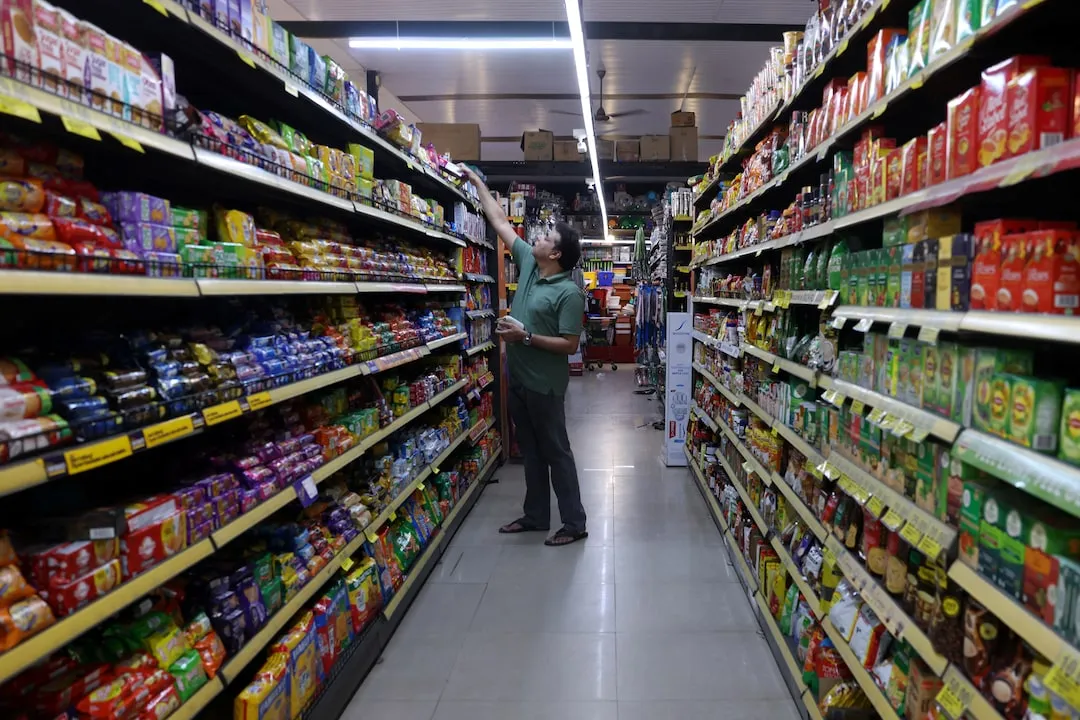
Indian conglomerates Hindustan Unilever, Dabur, and Godrej have introduced price increases recently. Meanwhile, Britannia is poised to follow suit with its own pricing adjustments. Some companies are also opting for reduced packaging sizes.
Indian businesses are grappling with the consequences of rising expenses from soaring oil, freight, and insurance costs, forcing them to adopt cost-saving measures such as smaller packaging and higher prices at checkout counters.
Related ↗British companies halt recruitment amid Iran conflict impact, REC research indicates.Global trade disruptions caused by the U.S.-Israeli conflict with Iran have significantly increased input costs worldwide, impacting economies heavily reliant on imports, such as India's, which already struggles with a depreciating rupee and volatile inflation rates.
Economist Jayati Ghosh notes that India is one of the world's most exposed nations, facing a perfect storm of rising oil and fertilizer prices, dwindling Gulf demand, reduced remittances and possible capital flight.
Read next ↗Tate & Lyle accepts a £2.7 billion all-cash acquisition from Ingredion.Indian consumer goods companies such as Hindustan Unilever, Godrej Consumer Products, and Dabur India have implemented modest price increases in various product lines, while Britannia is poised to follow suit with its own pricing adjustments.
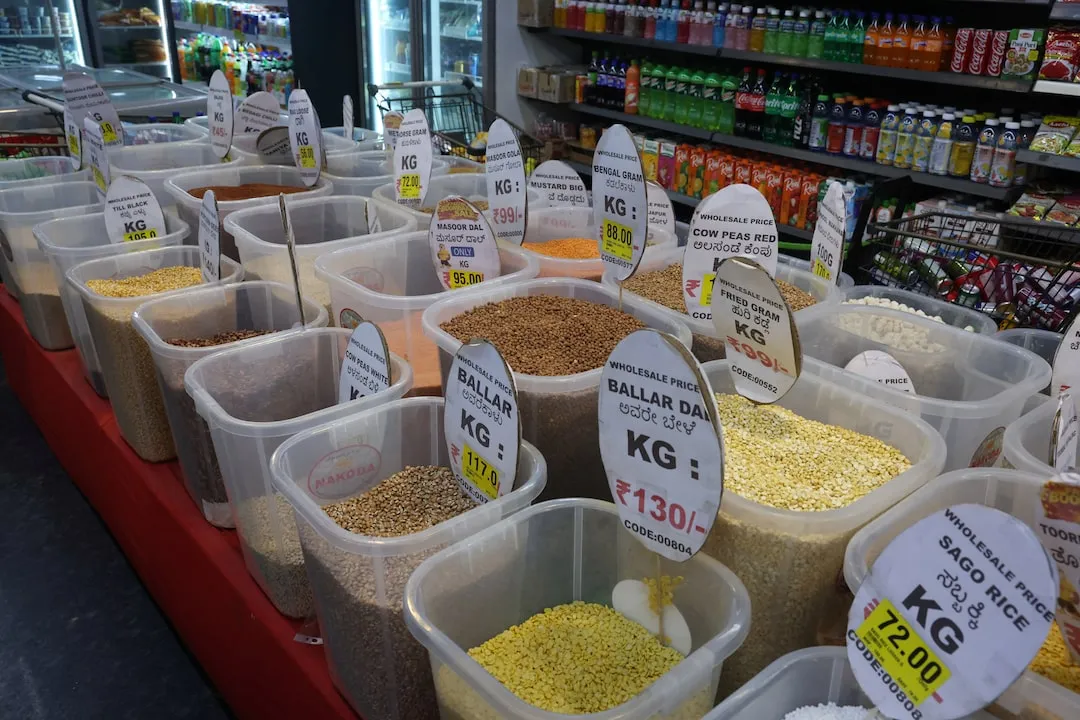
In mass segments, pricing flexibility is limited, as companies opt for smaller pack sizes rather than increasing costs by 10- to 20-rupees ($0.14-$0.28 USD) per unit.
Dabur's Global CEO Mohit Malhotra attributes the reduction in packaging to unbreachable price thresholds.
Indian automakers such as Maruti Suzuki, Mahindra & Mahindra, Tata Motors Passenger Vehicles, and Hyundai Motor India have recently increased their prices in response to the ongoing conflict with Iran.
Partho Banerjee, Maruti's senior executive officer for marketing and sales, candidly admitted they had no alternative but to raise prices. This decision was particularly challenging for new car owners who already face significant expenses.
Indian carriers like IndiGo and Air India are adjusting their operations by scaling back flights on long-haul routes that require more fuel, thereby hiking ticket prices.
Rising costs are being passed on.
Living expenses have become a significant concern for many individuals, including those with limited financial obligations such as no car payments and minimal school fees. Aditi Anjana, a Mumbai-based communications expert, has been mindful of her spending habits despite rising costs affecting everyday essentials like travel and packaged food.
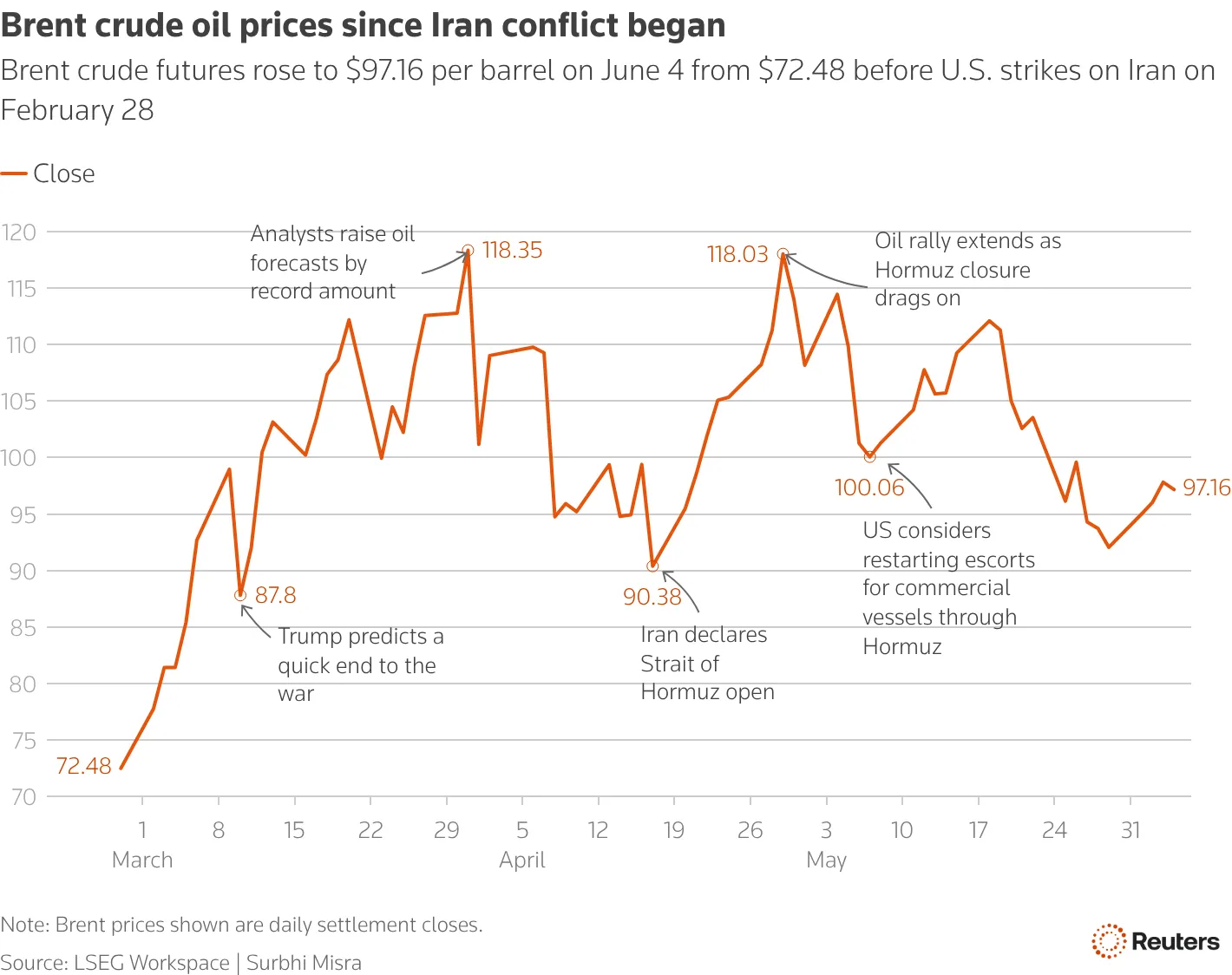
The U.S.-Israeli disruptions caused by the U.S.-Israeli conflict with Iran have significantly increased input costs worldwide, impacting economies heavily reliant on imports,such as India's, which already struggles with a depreciating rupee and volatile inflation rates.
Indian consumer goods companies such as Hindustan Unilever,Godrej Consumer Products,and Dabur India have implemented modest price increases in various product lines, while Britannia is poised to follow suit with its own pricing adjustments.
Automakers Maruti Suzuki such as Maruti Suzuki,, Mahindra & Mahindra Tata Motors Passenger Vehicles,, Tata Motors Passenger Vehicles India have recently increased and Hyundai Motor India response to the ongoing conflict with Iran.
Airlines IndiGo carriers like IndiGo and Air India are adjusting their operations by scaling back flights on long-haul routes that require more fuel, thereby hiking ticket prices.
18Cost-cutting measures kick in.
Faced with no choice but to absorb expenses, businesses are now slashing costs internally.
Unilever's Indian subsidiary Hindustan Unilever is slashing its ad budget as other companies reduce non-essential travel expenses.
Axis Direct analyst Uttam Kumar Srimal notes that the window for additional cost reductions is slowly closing, which may lead to more severe price increases or profit losses due to sustained commodity and fuel inflation.
High-exposure sectors such as aviation, oil and gas, chemicals, logistics, and capital goods may continue to face margin challenges, according to Shweta Rajani of Anand Rathi Wealth.
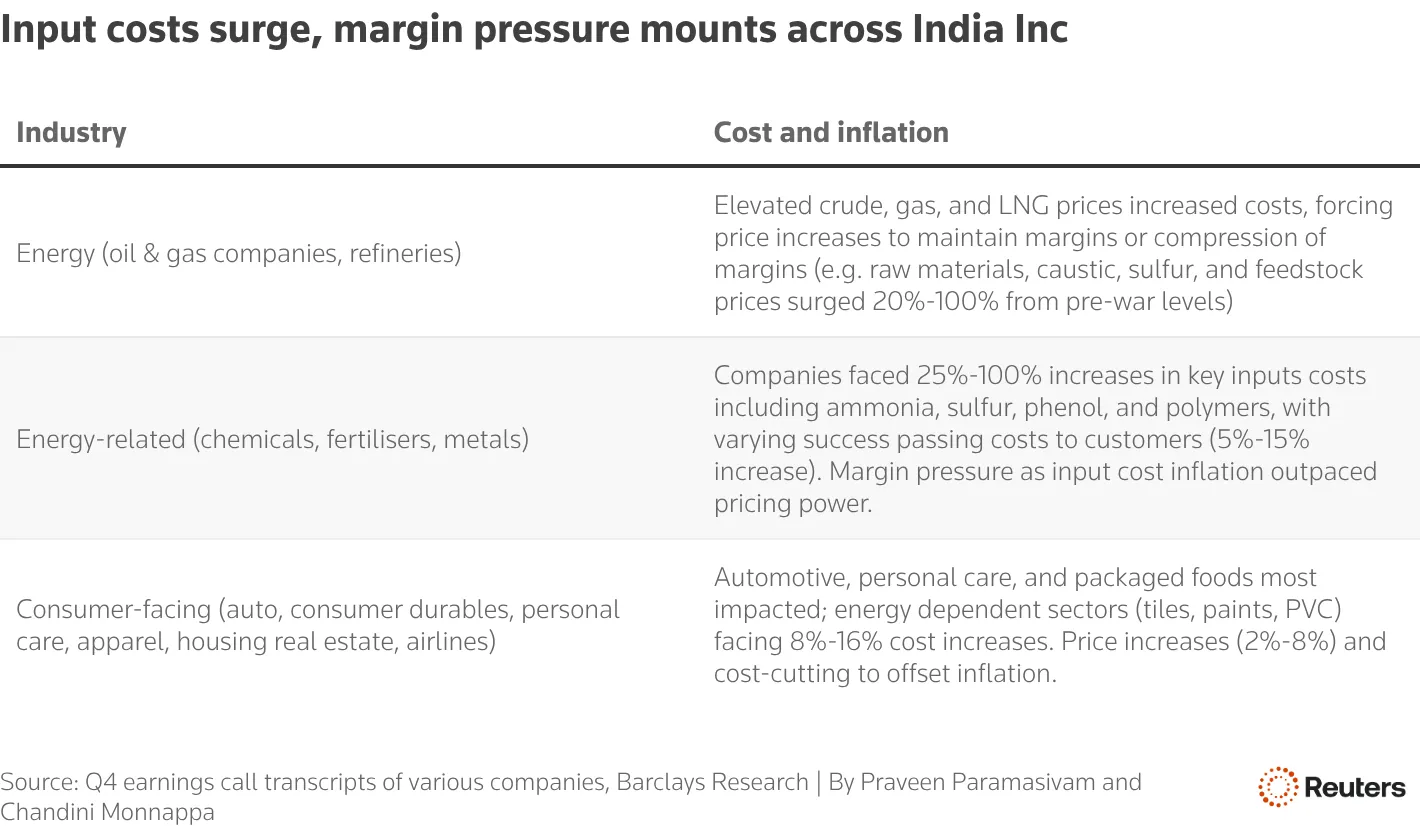
Hindustan Unilever(HLL.NS)subsidiary Hindustan Unilever is slashing its ad budget as other companies reduce non-essential travel expenses.
25Price Adjustments Made
Disruptions in supply chains are prompting firms to revamp their logistics strategies, particularly those with ties to the Middle East region.
Colgate-Palmolive has a competitor in Dabur, which is now transporting products through alternate channels in Egypt and Turkey simultaneously. Meanwhile, Britannia is relocating some of its manufacturing operations back to India.
Companies are proactively managing inventory by monitoring demand and making strategic purchasing decisions upfront accordingly.
Arvind Fashions has implemented strategic inventory purchases to stabilize costs, shifting reliance from external sources to local suppliers. Meanwhile, Trent, a Tata Group company, is fine-tuning its supply chain by adjusting raw materials, packaging and product design processes.
Trent's focus on affordability is evident in its Zudio brand, a trendwear label catering specifically to Gen-Z customers under the guidance of Umashan Naidoo, head of customer and beauty.
The exchange rate stands at 94.9450 rupees per dollar.