Federal Reserve official John Williams reaffirms commitment to maintaining interest rates at their present level. The likelihood of inflationary pressures escalating beyond expectations remains low.
John Williams, New York Federal Reserve President, expressed his view that the economic impact of the Middle East conflict is unlikely to persist, thus justifying the current stance on monetary policy in the United States.
Related ↗British companies halt recruitment amid Iran conflict impact, REC research indicates.The current economic situation doesn't seem overly concerning, according to Williams, who attributes this assessment to a lack of severe repercussions from price surges caused by the conflict, ongoing tariff effects and AI investments.
The labor market's stability has effectively kept inflation expectations firmly grounded, with no indication of upward pressure on prices. According to Williams, the recent surge in energy costs is seen as an isolated event, unlikely to have a significant impact in either 2028 or the following year.
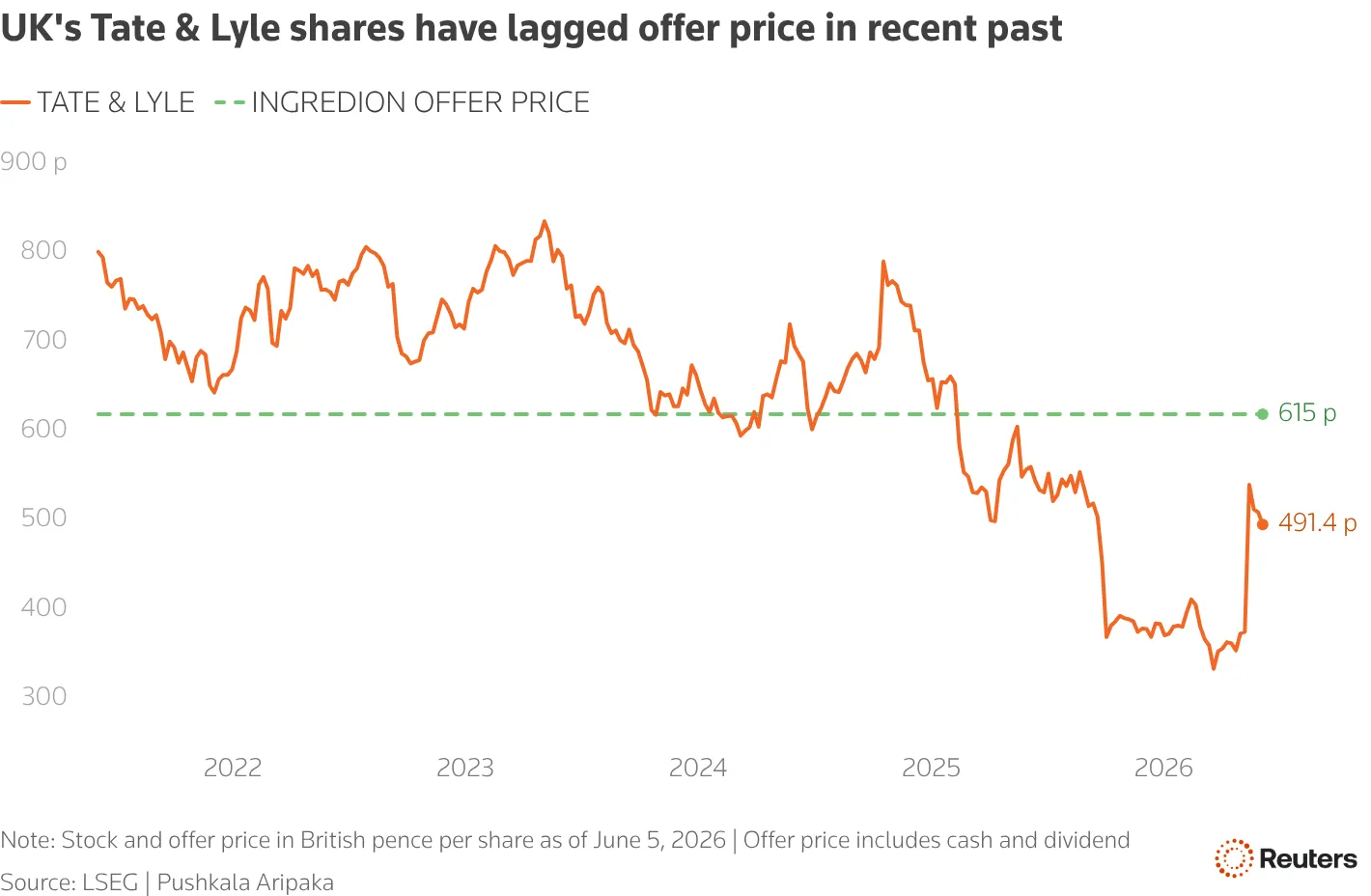
Read next ↗Tate & Lyle accepts a £2.7 billion all-cash acquisition from Ingredion.Williams reiterates his conviction that current Fed policy aligns perfectly with economic conditions. He doesn't foresee any necessity to adjust interest rates upward or downward. No compelling case exists for altering interest rates, nor is a clear path forward evident in the near future.
At its upcoming June 16-17 policy gathering, the Federal Reserve is likely to maintain its benchmark interest rate within a narrow band of 3.50%-3.75%. This decision will be influenced by ongoing assessments of inflationary pressures stemming from global conflicts and economic uncertainty.
The Fed's assessment suggests that resolving the Middle East conflict quickly could mitigate potential economic threats, particularly those related to rising oil and commodity prices.
Policymakers are cautiously considering the possibility of future rate hikes to counteract persistent price increases. The prolonged period of inflation exceeding the Federal Reserve's 2% benchmark has sparked concerns that recent economic shocks may further destabilize inflationary expectations, potentially leading to more severe consequences.
Economic analysts are attentively monitoring this potential development closely.
Investors are interpreting market signals and economic indicators to formulate their own expectations about future monetary policy decisions. Meanwhile, Williams notes that the Fed's current approach still carries a moderate degree of restraint, despite being relatively close to its optimal interest rate setting. This stance reflects the central bank's cautious response to ongoing data releases.