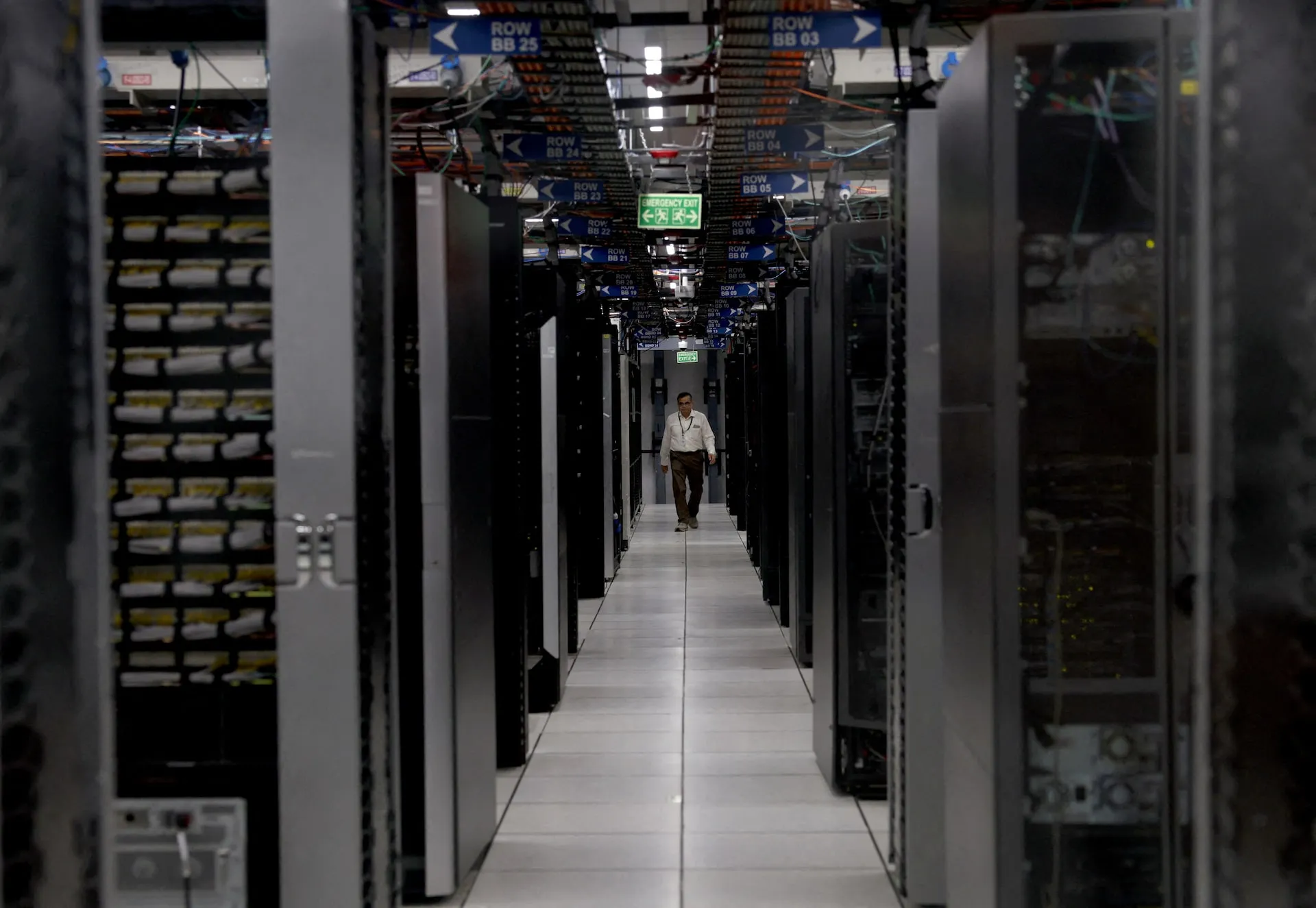
By 2030, data centers will likely experience a substantial spike in energy and water consumption, doubling their current usage due to rising AI-driven demand.
By 2030, data centre energy and water usage is projected to double due to increasing demand for AI services, a trend forecasted by UN experts in their recent study.
Related ↗British companies halt recruitment amid Iran conflict impact, REC research indicates.A looming crisis threatens as AI's unchecked expansion may soon overwhelm available land supplies and generate massive amounts of hazardous e-waste, according to a dire warning from the United Nations University Institute for Water, Environment and Health.
Key findings emerge.
Read next ↗Tate & Lyle accepts a £2.7 billion all-cash acquisition from Ingredion.Globally, data centers devoured a staggering 448 terawatt-hours of electricity in the previous year, surpassing Saudi Arabia's entire consumption. Artificial intelligence was responsible for nearly one-fifth of this massive energy demand.
Water consumption skyrocketed to an astonishing 4.5 trillion litres, sufficient to supply over 600 million people in Sub-Saharan Africa, accompanied by a staggering 189 million tons of CO2 emissions.
According to UN research, the notion that AI is solely a digital entity is being challenged by experts like Kaveh Madani, who points out that its physical presence is substantial: data centres, power plants, cooling systems, transmission lines, semiconductors, and natural resources are all involved.
By 2030, data centre energy usage will skyrocket, reaching a staggering 945 TWh, equivalent in scale to Japan's entire consumption, driven largely by AI's 40% share.
By 2030, the United Nations predicts a substantial surge in water usage, projected at 9.3 trillion litres annually. Concurrently, carbon dioxide emissions are forecasted to increase dramatically, reaching approximately 399 million tons.
By 2030, data centres are expected to occupy a substantial area of land, expanding their footprint from approximately 6,900 square kilometers in the previous year to over 14,500 square kilometers.
Rapid expansion of data centers threatens to significantly escalate energy and water consumption, despite potential gains from AI-driven grid optimization and reduced waste management efforts.
Sustainable growth is being overshadowed by the intense pressure to outpace competitors in current market dynamics.
Data centres are unlikely to exhaust global resources entirely, but their growth can exacerbate local energy and water shortages in areas where infrastructure is already strained. Prematurely constructed facilities can worsen existing resource constraints. Responsible planning is crucial to mitigate these risks.