Airstrikes in surrounding nations of Israel prompted a sharp increase in crude oil prices, exceeding $4.
Investors were visibly shaken on Monday, causing crude oil values to spike by over $4 following airstrikes in Israel's neighboring countries of Iran and Lebanon.
Related ↗British companies halt recruitment amid Iran conflict impact, REC research indicates.Oil prices surged by over four dollars following airstrikes in Israel's neighboring regions, with Brent crude futures increasing to $97.15 a barrel. Meanwhile, US crude futures also rose significantly, reaching $94.61 per barrel.
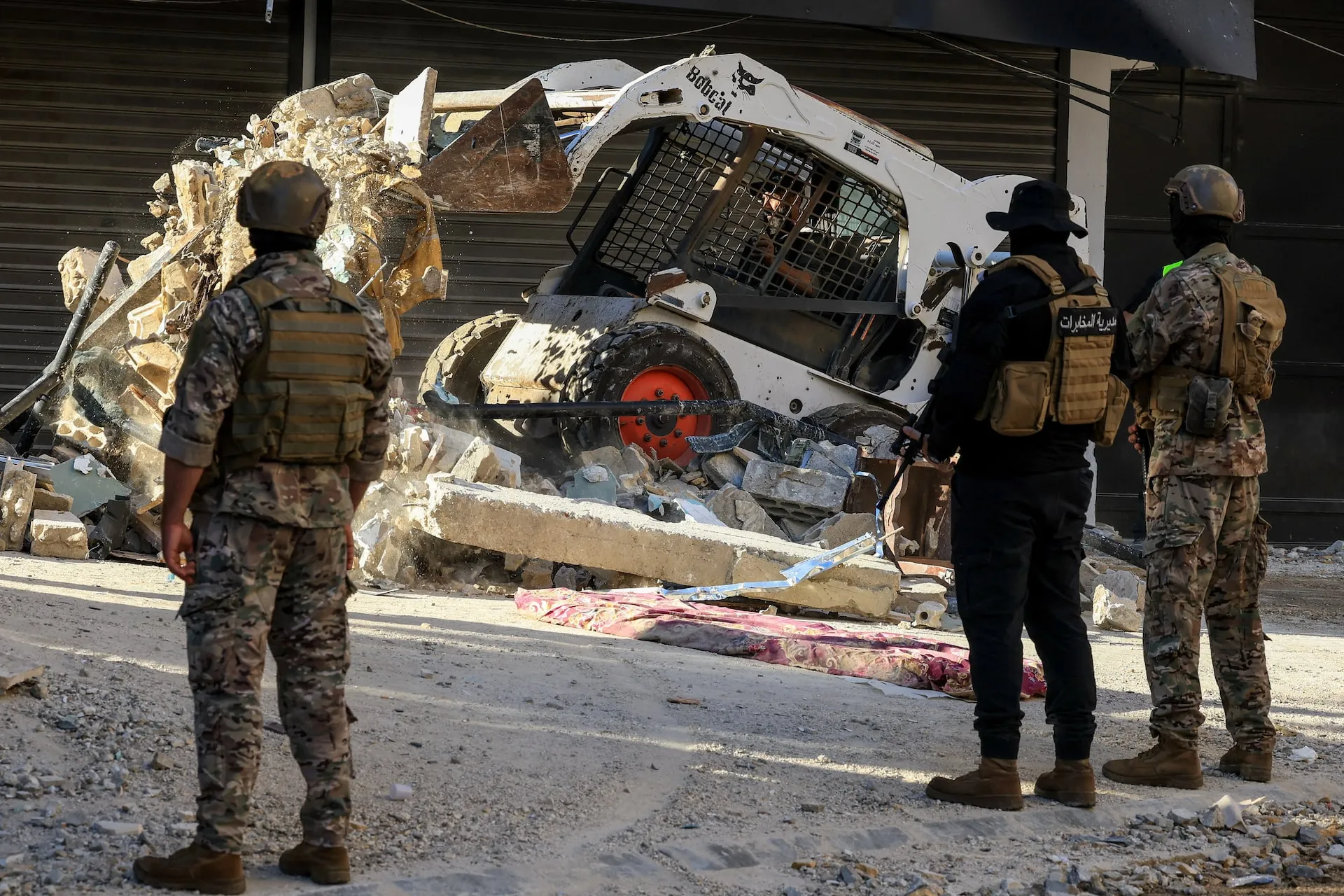
On Monday, Israeli forces launched airstrikes against a petrochemical facility in southwestern Iran, while also targeting other military installations, despite a reported warning from US President Donald Trump to Prime Minister Benjamin Netanyahu to desist.
Read next ↗Tate & Lyle accepts a £2.7 billion all-cash acquisition from Ingredion.Israel launched airstrikes against a key energy facility in Iran on April 8, marking its first attack on an energy site since the ceasefire took effect that day. The Mahshahr petrochemical complex was targeted, with damage reported to certain areas of the plant by local authorities.
The prospect of a swift resolution to the broader conflict is fading, with no clear signs of renewed crude shipments via the Strait of Hormuz, a critical chokepoint for approximately one-fifth of global oil and LNG exports.
The market's momentum from Monday more than offset Friday's decline, which had been fueled by optimism over a potential de-escalation in US-Iran tensions. Despite this surge, oil prices have still increased by approximately 60% since the outbreak of war in late February, yet remain below the highs seen in March when Brent peaked at nearly $120 per barrel.
Sunday saw Iran launch a barrage of missiles at Israeli sites in response to the attacks on Lebanon, yet US President Donald Trump remained optimistic about securing a peace deal to halt the broader conflict.
A settlement between Iran and Lebanon is contingent on a truce being established first.
Following attacks by Iran-backed Hezbollah, Israel launched its invasion of Lebanon in March, sparking a volatile situation in the region. A fragile truce was eventually brokered in Washington, with both sides agreeing to a ceasefire on June 3.
10Trade Tariffs Rise Sharply
Iran's ambassador to Moscow stated on Monday that the Strait of Hormuz would remain accessible but with revised terms, which Iran and Oman would jointly establish and enforce, including payment of a transit fee.
Ambassador Kazem Jalali emphasized that the Strait of Hormuz will remain accessible, albeit under revised terms subject to agreement between Iran's and Oman's regulatory bodies.
Iran's naval restrictions have severely limited maritime traffic in the Strait of Hormuz, mirroring US trade sanctions on Iranian seaports.
14Crude output boost expected.
A supply crisis has left OPEC+ reeling, yet on Sunday, they agreed to a fourth output hike in four months. However experts predict this move will be largely ineffective due to several member countries' inability to meet their targets, hindered by the Hormuz closure and Russia's dwindling production capacity ravaged by infrastructure attacks.
Rystad Energy's head of geopolitical analysis, Jorge Leon, notes that the immediate effects of this decision on the market will likely be negligible.
A supply crisis has left OPEC+reeling, yet on Sunday, they agreed to a fourth output hike in four months. However experts predict this move will be largely ineffective due to several member countries' inability to meet their targets, hindered by the Hormuz closure and Russia's dwindling production capacity ravaged by infrastructure attacks.