The International Energy Agency cautions that emergency stock releases will provide only fleeting relief from dwindling supplies. Meanwhile, the Americas' modest supply increases barely compensate for the significant 14 million barrels per day shortfall from Gulf region producers.
The International Energy Agency warns that global oil reserves are dwindling rapidly, threatening to reach crisis point before the summer months when energy consumption typically surges, according to a senior official.
Related ↗British companies halt recruitment amid Iran conflict impact, REC research indicates.Summer vacation travel often triggers a surge in fuel consumption across the Northern Hemisphere.
The International Energy Agency warns that stockpiles will be depleted further over the summer, potentially hitting record lows right before peak demand sets in.
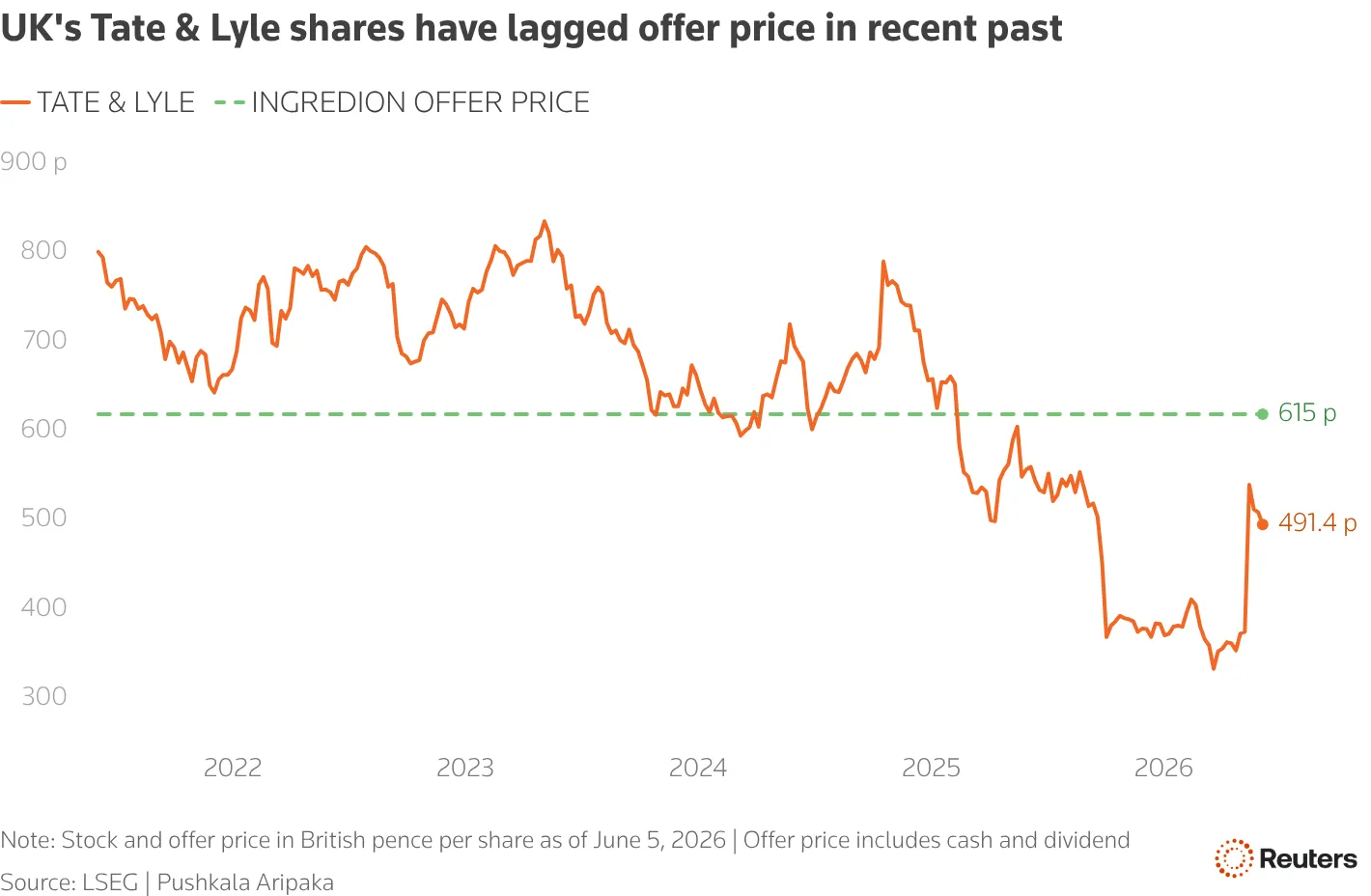
Read next ↗Tate & Lyle accepts a £2.7 billion all-cash acquisition from Ingredion.Reopening the Strait of Hormuz would require a significant timeframe, potentially up to eight months, assuming a swift agreement is reached immediately, according to Bosoni's assessment at the S&P Global Energy conference in London today.
An emergency stock release might be considered if needed, but discussions about it are on hold due to approximately half of the initially planned 400-million-barrel IEA-coordinated release still awaiting distribution in the coming summer months.
Bosoni emphasizes that emergency stock releases offer only fleeting relief. The magnitude of supply losses is staggering, necessitating a significant decrease in demand to mitigate the crisis.
High energy costs trigger a reduction in consumer spending, ultimately rebalancing market dynamics through reduced purchasing power.
According to Bosoni, a significant shift in market dynamics has emerged due to decreased demand for transport fuels. This downward trend is directly linked to higher prices and an increasingly weaker economic outlook.
May's Chinese crude imports plummeted to 6 million barrels per day below March levels, a significant drop that tempered market volatility even amidst the Hormuz crisis.
As of Tuesday at 1139 GMT, Brent futures hovered near the $94 mark per barrel, significantly lower than its pre-conflict average of approximately $70, yet still a considerable distance from its peak in 2026 exceeding $126.
The IEA warns that Gulf oil suppliers have suffered a significant decline in output since late February, totaling approximately 14 million barrels per day.
Producers in the Americas are unexpectedly increasing supplies, led by significant gains from the US, Argentina, Brazil and Venezuela.
The International Energy Agency's (IEA) latest monthly oil market report projects a modest increase in supply growth for the Americas in 2026, reaching 1.5 million barrels per day. This uptick is expected to be partially offset by significant losses from east of Suez, according to Bosoni's assessment.