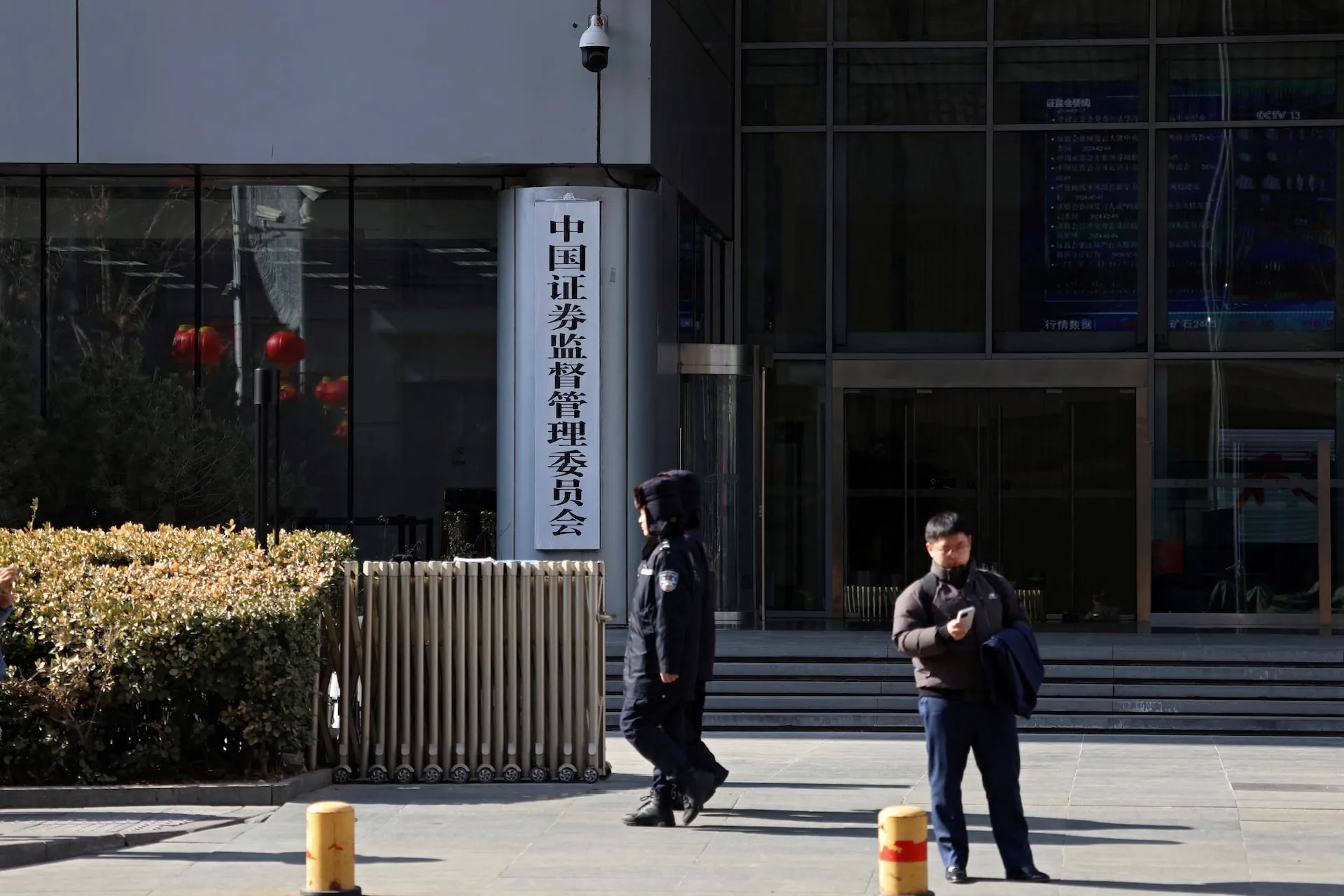
The Chinese government has clarified that its efforts to curb illicit overseas investments will not result in the forced closure or liquidation of mainland investors' foreign-held assets, valued at a staggering $54 billion.
Following Beijing's surprise clampdown on illicit overseas investments, a surge of Chinese investors is flocking to Hong Kong in search of ways to safeguard their assets within the territory's financial system.
Related ↗IDR survey reveals UK pay settlements remain steady at 3.5% for a second consecutive month.Beijing's regulatory body clarified that its crackdown on illicit overseas investments will not involve forced divestment, assuring that foreign brokers remain unaffected by the clampdown.
A recent CSRC announcement provides unequivocal reassurance that Chinese investors can maintain access to international brokerage services without interruption.
Read next ↗Gulf region stock markets decline sharply today suddenly.Amidst mounting uncertainty, Chinese investors are grappling with the complexities of managing their overseas assets, specifically those valued at approximately $54 billion held in offshore brokerage accounts, as per Kaiyuan Securities' assessment.
A sudden decline in U.S.-listed Chinese stock values occurred right after Beijing's announcement on May 22, sparking concerns about asset seizure.
The CSRC emphasizes that investor assets will remain secure throughout the rectification process, with existing accounts remaining open and unaffected by compulsory divestment requirements or asset cleansing measures.
Chinese onshore investors are allowed to liquidate their holdings and transfer funds from affected accounts, whereas the provision of illicit services by brokers on the mainland will cease within a two-year timeframe, according to the CSRC's statement.
Chinese clients of Tiger, Futu, and Longbridge are being informed that from mid-June, they won't be able to initiate new accounts or make investments, while their international services will continue unaffected.
Beijing's regulatory body has made it unequivocally clear that their goal is to cleanse China's financial systems of illicit activities, safeguarding investor interests while combating unauthorized capital flight.
"It's unacceptable for foreign entities to engage in illicit activities on our soil," Beijing emphasized. Such actions severely undermine market stability, elevate financial vulnerabilities, and jeopardize investor interests.
The securities regulator clarified its stance on capital controls, stating that Chinese investments are attractive options for investors, without providing further details on the appeal of these assets.
China's capital markets are open to both domestic and foreign investors, who can reap rewards from the nation's robust economic expansion.
Following Beijing's surprise clampdown on illicit overseas investments,a surge of Chinese investors is flocking to Hong Kong in search of ways to safeguard their assets within the territory's financial system.
The regulatory body clarified that its crackdown on illicit overseas investments will not involve forced divestment, assuring that foreign brokers remain unaffected by the clampdown.
Tiger clients of Tiger, Futu, and Longbridge are being informed that from mid-June, they won't be able to initiate new accounts or make investments, while their international services will continue unaffected.