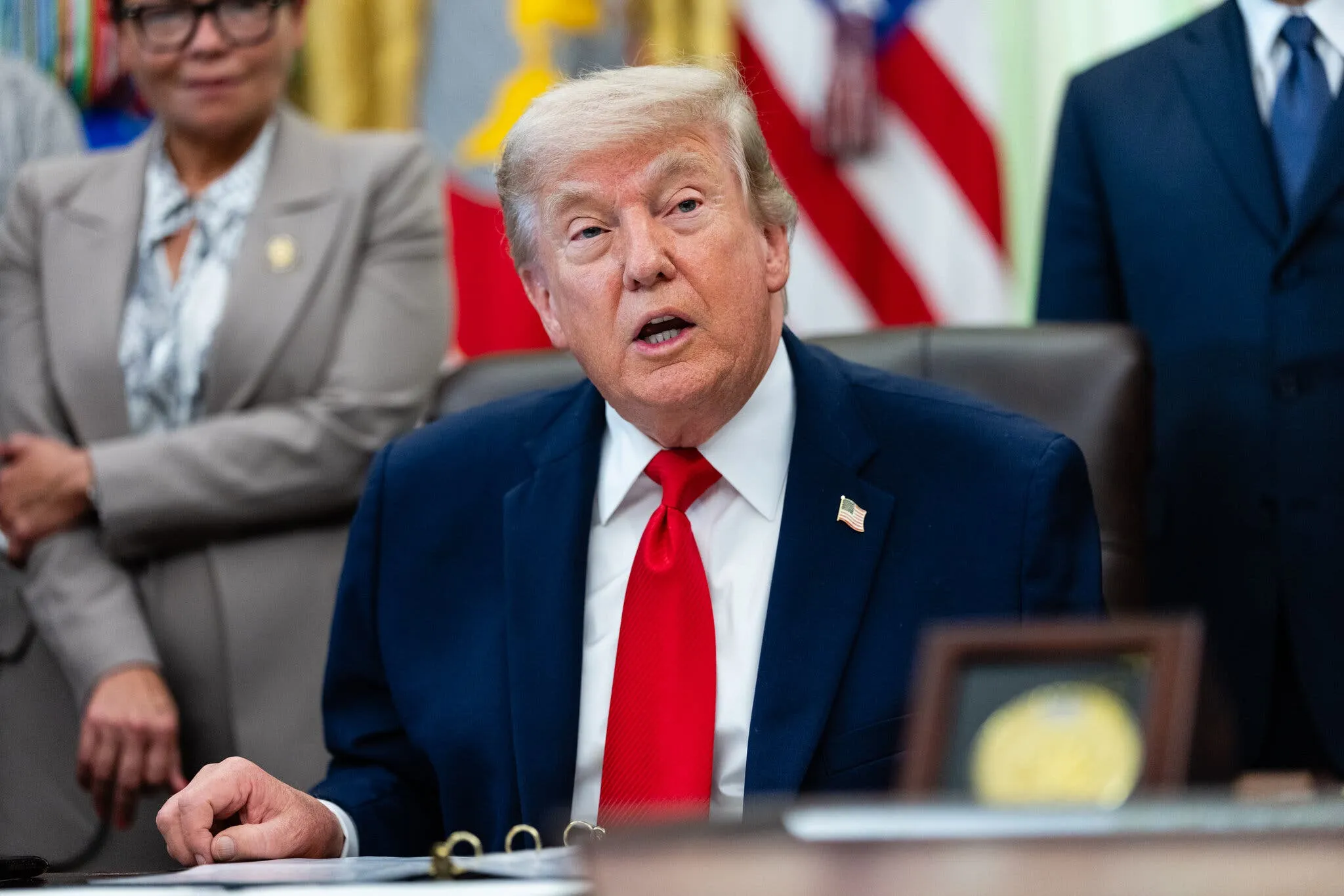
The prolonged spike in gas prices and consumer goods may persist for several months, complicating the White House's electoral prospects.
A potential conclusion to the conflict with Iran is now in sight, but its economic impact persists. The effects of this ongoing struggle continue to reverberate through the US economy.
Related ↗US President Trump condemns Israeli actions in Lebanon as deadly to non-combatants.President Trump's Monday announcement of a preliminary deal has momentarily halted hostilities in the Middle East, yet the economic strain persists for US households and companies struggling with escalating costs and disruptions.
As the war began, Donald Trump confidently asserted that his involvement would be brief, causing only minimal economic disruption in the United States, with a swift recovery guaranteed. However the prolonged campaign exceeded three months, imposing significant financial burdens on the nation, which may linger through next year and test Mr. Trump's earlier pledge of rapid economic rebound.
Read next ↗Details of the US-Iran ceasefire agreement will likely be disclosed shortly.Gas prices are slowly decreasing, but fuel costs won't return to pre-conflict levels right away. It may take several months for consumers to experience significant relief at the pump. As of Monday, the national average gasoline price had reached $4 per gallon, as reported by AAA, a decline from its peak during the conflict but still $1 more than last year's rate.
A critical waterway connecting the Persian Gulf and the Gulf of Oman, the Strait of Hormuz, is slowly returning to normal operations. However this easing of global energy and shipping snarls comes with a caveat: the shipping backlog will not be resolved immediately. As a result, essential goods like fertilizer may remain scarce for an extended period following the conflict's conclusion. This scarcity could lead to sustained increases in food costs for some time after the war ends.
The three-month conflict has had a profound impact on inflation, which surged in May to its fastest rate in three years. The rapid price increases have left wage gains in their wake, creating a sense of unease that starkly contrasts with President Trump's earlier claims of economic stability. His assertions that the war's effects would be fleeting were put to the test last month when he made a bold promise: Americans would soon see significant drops in gasoline and oil prices once a deal was reached between the two countries.
The White House faces a significant economic hurdle in fulfilling Trump's recovery promise, with growing voter discontent setting the stage for the upcoming midterm elections.
The agreement's durability remains a major concern for James Knightley, chief international economist at ING, who pointed out on Monday that several uncertainties persist regarding the US-Iran deal. The long-term stability of this "peace" is still far from guaranteed.
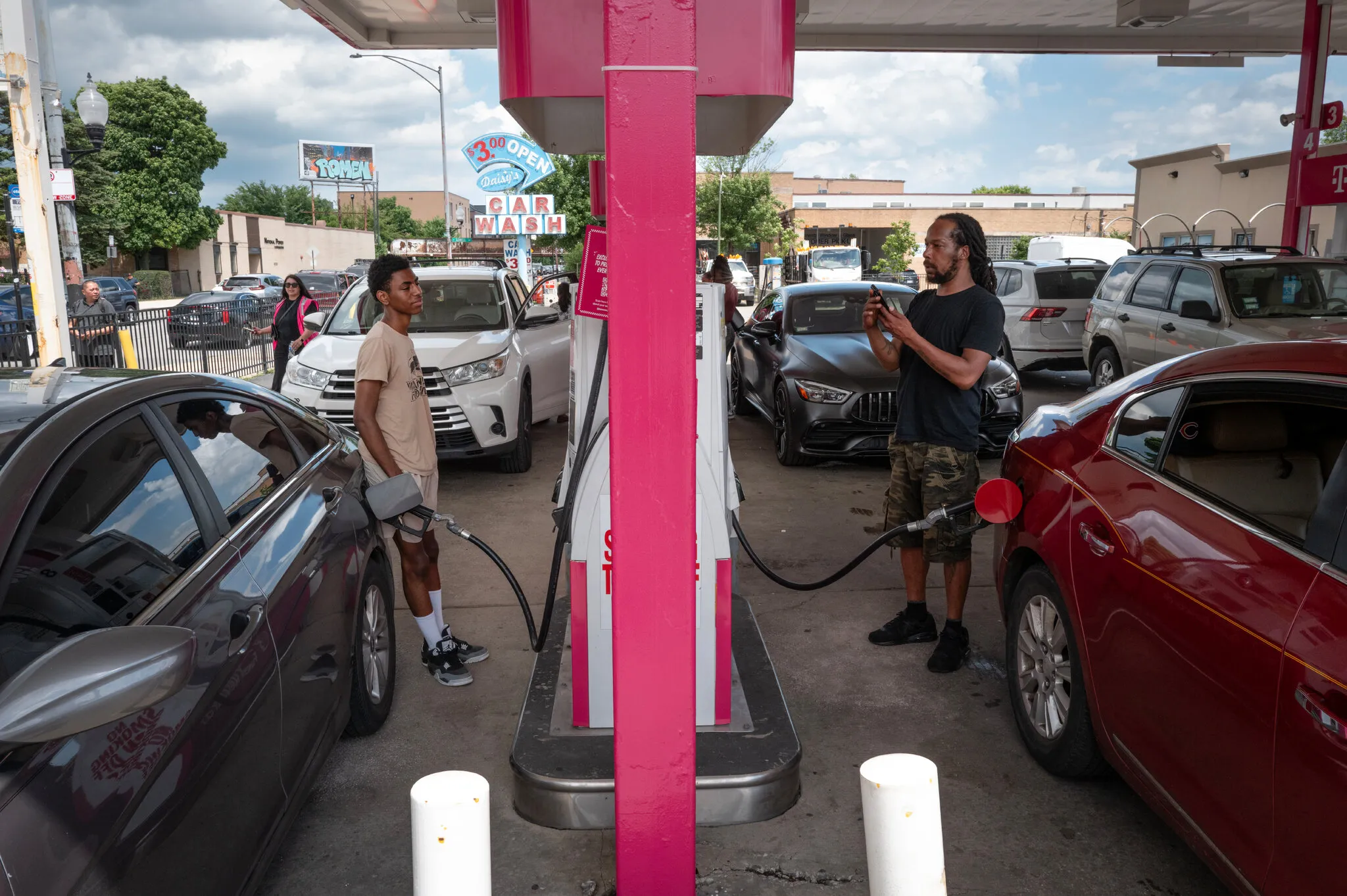
Details of the agreement remain undisclosed, leaving uncertainty about the durability of the US-Iran ceasefire. Economic progress may take considerable time to materialize, according to Mr. Knightley's assessment.
The economic recovery promised by Trump is facing a crucial test as oil prices continue to decline, but it may take until 2027 for gas prices to return to prewar levels of under $3 per gallon nationwide. Inflation's slowdown to the 2 percent target set by the Federal Reserve could also be delayed, potentially hindering the Republican Party's prospects in the midterms.
The White House has emphasized efforts to reduce expenses and boost economic expansion despite ongoing conflict. Specifically, officials highlight progress made under President Trump's initiatives, such as tackling high pharmaceutical costs.
President Trump has repeatedly asserted that a resolution to the Iran issue would lead to drastically reduced oil and gas prices, subsequently curbing inflation.
Upon initiating military strikes against Iran in late February, President Trump portrayed the war as an unavoidable necessity, insisting it was essential to thwart Tehran's nuclear ambitions. Throughout the conflict, he repeatedly downplayed the economic repercussions of his actions, even suggesting that the actual impact had been less severe than anticipated.
Despite soaring gas costs, President Trump continued to dismiss affordability worries as a "deceptive tactic." Following receipt of the recent inflation data, he praised the figure as outstanding and exclaimed, "Inflation is something I genuinely appreciate."
Democrats swiftly pounced on Trump's comments, interpreting them as a chance to highlight the economic struggles many Americans face under Republican leadership in Washington.
Senator Chuck Schumer questioned President Trump's judgment, suggesting that his recent comments were an attempt to outdo himself in a bizarre display of rhetoric, rather than a genuine expression of policy.
Recent polls indicate widespread voter discontent with President Trump's economic management, as reflected in declining measures of consumer confidence. This growing pessimism is fueled by concerns over the nation's prospects, casting a shadow on Mr. Trump's promise to revitalize the economy.
Elizabeth Pancotti, managing director for policy and advocacy at Groundwork Collaborative, believes that the American public will hold President Trump accountable for his decision to engage in conflict with Iran, which they did not support, making it unlikely he'll receive sympathy from voters come election time.
White House officials have consistently downplayed negative economic indicators, attributing them to partisan bias, yet acknowledging a steady consumer spending trend, which suggests improved financial confidence among Americans.
Professor Tomas J. Philipson of the University of Chicago notes that widespread pessimism about the economy is often cyclical, targeting whichever party holds power. He attributes this to routine skepticism rather than genuine concerns. Meanwhile, he remains optimistic about several key areas of economic growth, particularly a potential agreement with Iran, which he believes would bring significant relief to both financial markets and the broader economy.
Donald Trump had been counting on showcasing a thriving economy to voters this November, crediting his policies for the momentum building ahead of schedule. A robust labor market was particularly noteworthy, as evidenced by the 172,000 new jobs created last month, which was generating optimism among employers and investors alike. Meanwhile, financial markets surged on Monday in anticipation of an Iran deal, reflecting the president's confidence in his economic agenda taking hold.
According to White House projections, a combination of factors was expected to create an environment conducive to a "disinflationary boom," as stated by Joseph Lavorgna, chief economist at SMBC Nikko Securities America and former Treasury Department adviser. This growth would likely contribute to a reduction in persistently elevated prices.
The conflict with Iran had already pushed up prices and posed a risk to the country's economic expansion before the situation took a turn for the worse. Consequently, Mr. Lavorgna observed that the economy's growth trajectory has been altered by the lingering impact of high oil costs and ongoing supply chain disturbances throughout the rest of the year.
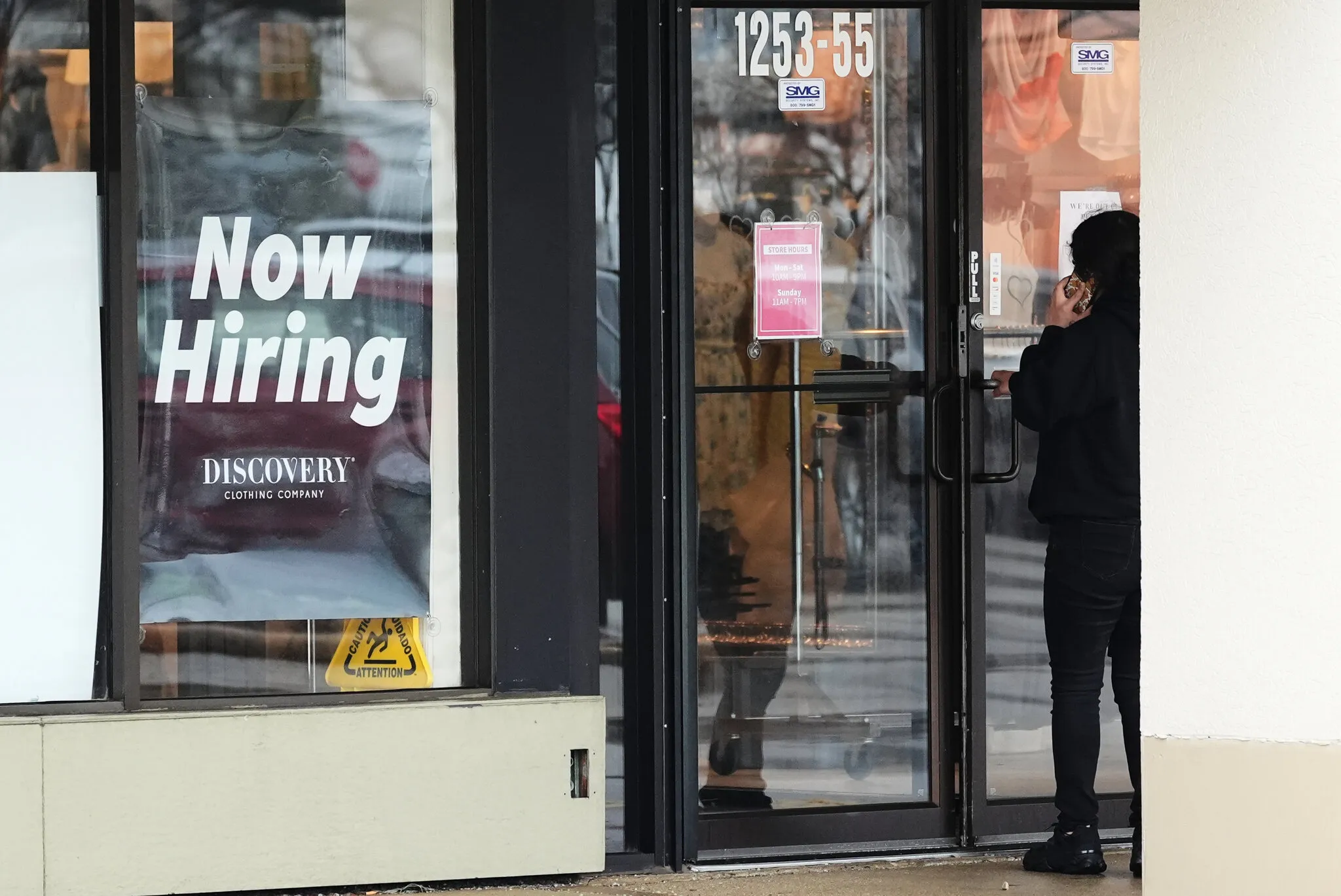
A robust economic upswing is anticipated by Trump, though its inflationary implications are unclear.
Economists expect gas prices to stay higher than prewar levels through the end of this year, according to Ajay Parmar, director of energy and refining at ICIS, a leading provider of market data to the industry, which suggests that relief from high fuel costs may be delayed until later in 2023.
Elevated oil prices, fueled by rising demand as the conflict draws to a close, could sustain inflationary pressures in the US for an extended duration, according to his forecast.
Energy alone cannot be blamed for rising costs. Two recent reports from Oxford Economics highlight additional threats: a surge in fertilizer expenses, which may lead to higher food prices worldwide. According to their analysis, these price hikes can persist even after the conflict subsides, with a noticeable delay.
Oxford Economics' US economist, Grace Zwemmer, cautions that even with significant oil price drops following a peace agreement, inflation may not decrease accordingly, presenting a challenge to economic recovery predictions.
A return to normalcy is unlikely, but a negotiated agreement could mitigate economic downturns and alleviate some of the current uncertainty.