The formal signing of the deal is set for this Friday in Switzerland.
Later discussions will focus on addressing Iran's nuclear development initiatives.
Related ↗US President Trump condemns Israeli actions in Lebanon as deadly to non-combatants.Emerging details from Tuesday suggest an interim pact between the US and Iran is taking shape, with implications that would preclude Tehran's access to nuclear arms, according to President Donald Trump, while also permitting Iran to resume oil sales immediately following signature of the agreement.
A confidential agreement reached recently is expected to be revealed soon, outlining terms that prolong a fragile peace deal initially proposed in April for an additional 60 days.
Read next ↗Trump's objectives met in conflict with Iran yet unclear.The agreement stipulates that the US will lift its embargo on Iranian ports, allowing unrestricted access to shipping lanes. In return, Tehran will resume permitting oil tankers and other vessels to pass through the Strait of Hormuz, which has been blocked since the joint US-Israeli strikes on February 28.
According to the U.S. president, the agreement explicitly stipulates that Iran will not possess any nuclear arms, with the complete document set for release within a short timeframe of a few days.
The Iranian government has consistently maintained that its nuclear ambitions are strictly limited to non-military applications, as stated previously.
The explanations behind President Trump's decision to attack Iran have varied, yet the outcome seems inconsequential. The Iranian theocracy still maintains power, its ballistic missile development continues unabated, and it persists in backing militant groups such as Hezbollah against Israel.
Criticism is mounting against President Trump from within his own Republican party as the midterm elections approach in November. If Iran's leaders don't alleviate economic burdens stemming from a devastating conflict, they may soon face increased unrest at home.
The absence of Israel's direct involvement in talks raises questions about its stance on the new US-Iran accord, making it uncertain if the fresh ceasefire will be sustainable.
Regional conflicts have ravaged numerous nations, claiming over 7,000 lives primarily in Iran and Lebanon, where a significant escalation occurred following Israel's invasion in March, sparked by Hezbollah's involvement.
US Vice President JD Vance's statement revealed that the agreement encompasses both Israel and Lebanon, countering earlier claims made by Prime Minister Benjamin Netanyahu, who asserted on Monday that Israel remains unencumbered by its terms and will maintain its presence in southern Lebanon. Hezbollah officials have expressed skepticism about Iran's willingness to commit to a lasting ceasefire unless the Israeli occupation is resolved.
The Khatam al-Anbiya Central Headquarters issued a stern warning to Israel, stating that any further aggression in southern Lebanon would be met with a robust counterattack.
Details of the US-Iran ceasefire agreement are expected to be revealed soon, permitting Iran to start exporting oil and petroleum products right away.
US-Iran ceasefire agreement details are expected to be revealed soon. The deal promises significant economic gains for Iran through the removal of sanctions and release of frozen foreign assets. A $300 billion reconstruction fund will be established, funded by Gulf states hosting US military bases that suffered Iranian attacks during the conflict, provided Iran meets all conditions.

The confidential agreement reached recently is expected to be revealed soon, outlining terms that prolong a fragile peace deal initially proposed in April for an additional 60 days.
17Ceasefire negotiations underway.
Negotiations are set to resume within a 60-day timeframe, focusing on contentious matters such as Iran's nuclear ambitions that were previously addressed in talks between Tehran and Trump administration representatives in February before being abruptly halted due to US military action.
Negotiations over a ceasefire are currently underway, but two key concerns previously cited by Trump and Netanyahu seem to have been set aside: halting Iranian backing of local militias and limiting its missile development.
Netanyahu has faced criticism from Trump, who voiced discontent with Israel's handling of its military operations, expressing unhappiness with the situation on Tuesday.
Trump expressed confidence that negotiations with Iran will progress rapidly, saying they must return to normalcy. The US President has consistently emphasized this point since the conflict began. He views the agreement as a significant barrier preventing Iran from acquiring a nuclear capability. With relations now normalized, Trump believes the talks will move swiftly.
In 2015, Iran made a commitment with the US and other nations to drastically reduce its uranium enrichment activities. However this agreement collapsed when President Trump unilaterally pulled the US out during his initial term in office. As a result, Iran accumulated a significant stockpile of highly enriched uranium, which Trump has stated should be either removed or dismantled.
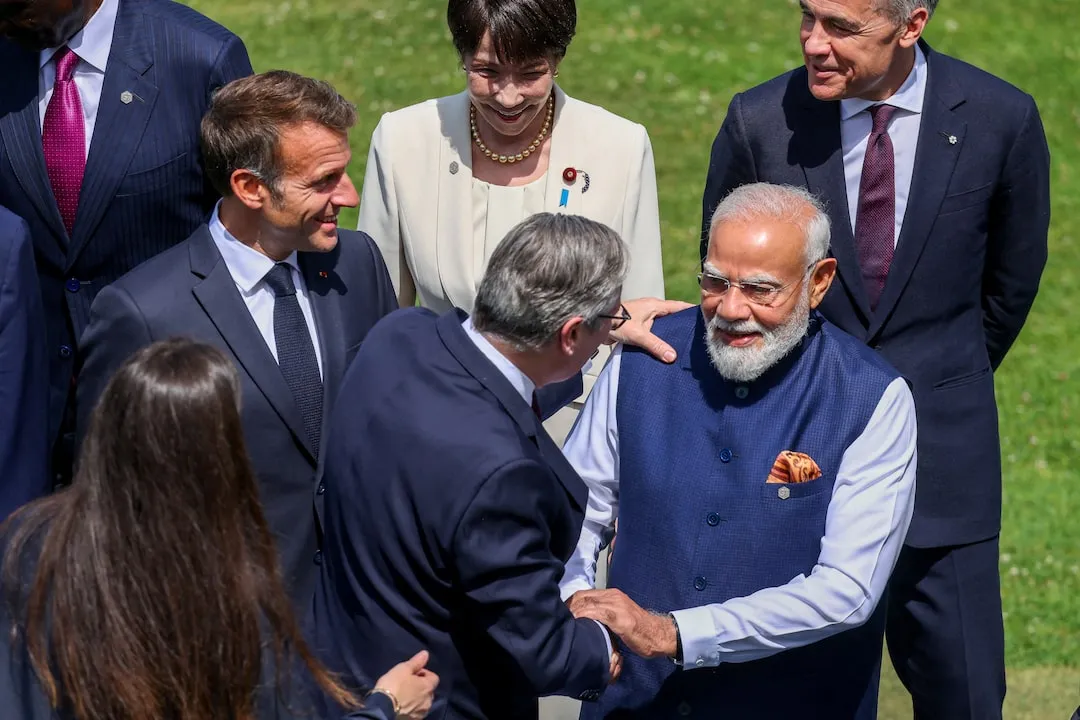
At the G7 meetings in France, President Trump expressed support for referring the Iran agreement to the US Congress for review, following concerns raised by fellow Republicans who felt they were being kept out of the loop. The president has been under fire from lawmakers who argue that he should have obtained congressional approval before engaging in the conflict, which enjoys widespread disapproval among American citizens.
Tuesday saw oil prices plummet by over 2%, hitting three-month lows, a decline that followed a previous drop of almost 5% just one day prior, according to industry insiders who warn of prolonged recovery times for the region's oil and gas production.
25Shipping Alert Issued
Shipping companies are holding back on navigating the Strait of Hormuz until it's clear that a fragile peace has taken hold, despite assurances from all parties involved that the waterway will remain open.
Iranian state media announced on Tuesday that ships navigating the blockade can proceed, but only after coordinating with the Revolutionary Guards' authorities.
A shipping alert has been issued, with the US indicating that the strait will remain toll-free for sixty days as part of a proposed agreement. Control of the waterway is expected to be shared between Iran and Oman.