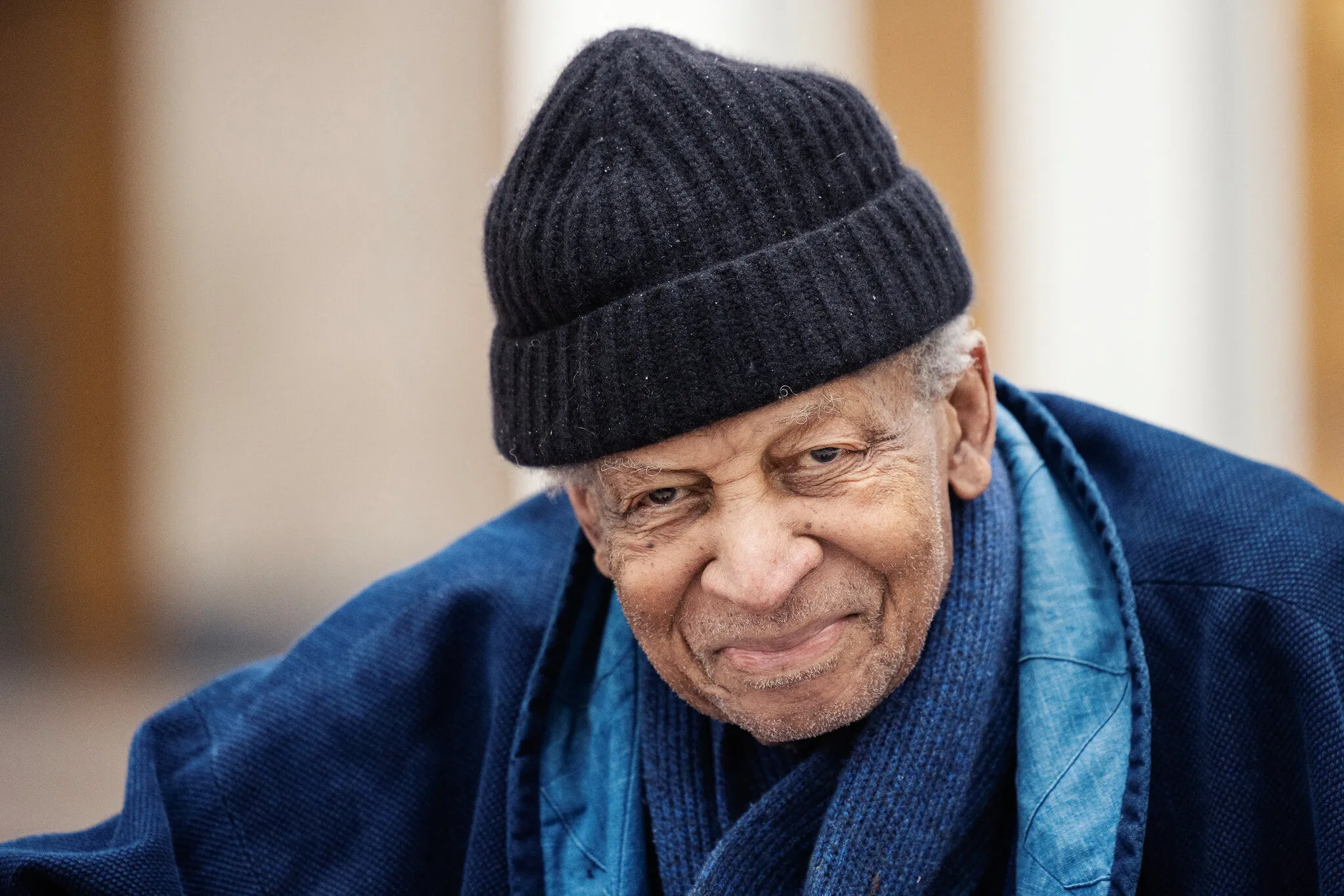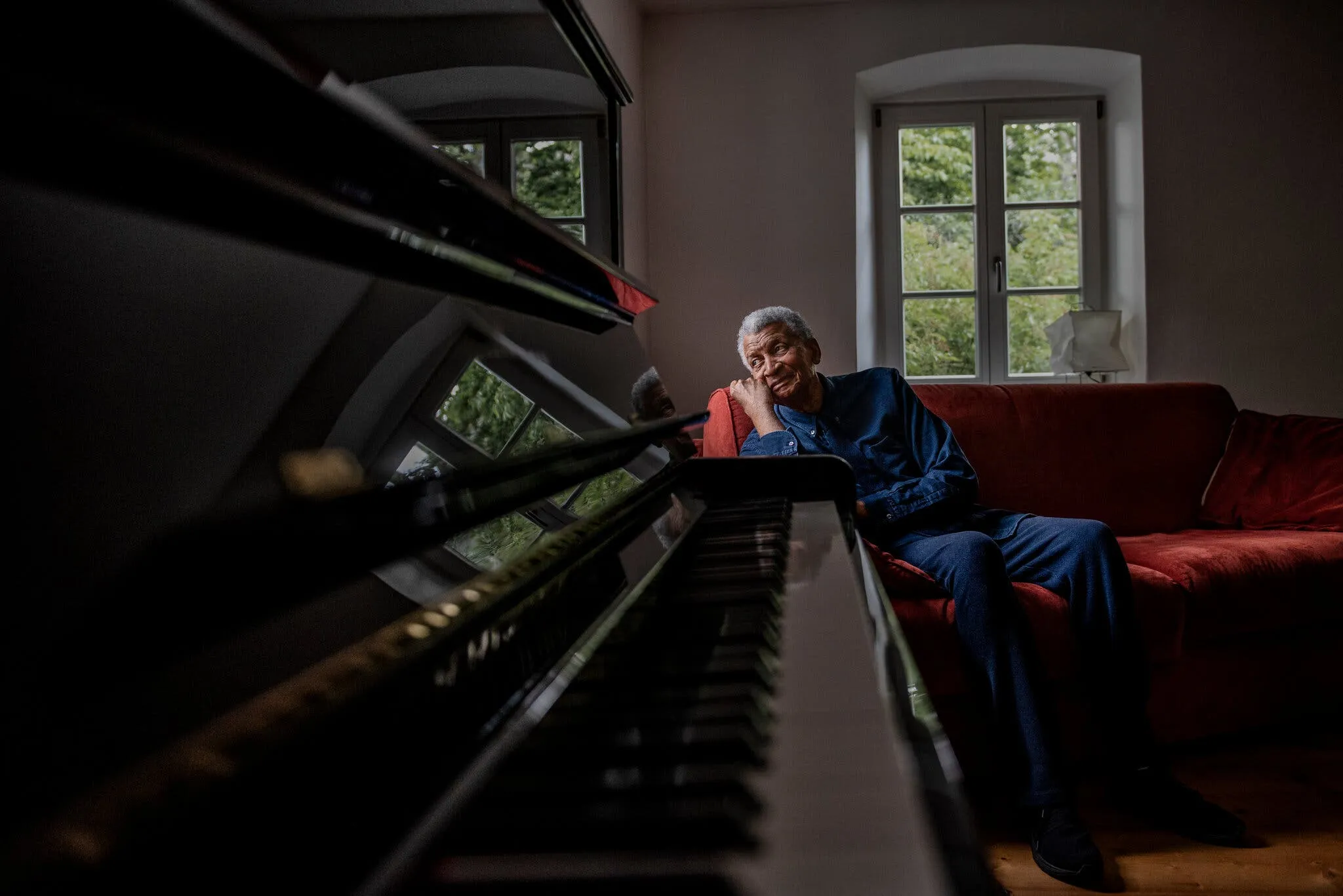
Abdullah Ibrahim's "Mannenberg" was a powerful anthem in the anti-apartheid movement, earning praise from Nelson Mandela as their own musical genius.
The passing of Abdullah Ibrahim marks the end of a remarkable era for South African jazz. His unique sound, blending Cape Town's rhythms with global influences, had made him a celebrated figure in the anti-apartheid movement. At 91, his legacy will be deeply felt in the music world.
Related ↗Exploring Uzbekistan's Authenticity Along the Legendary Silk Road Route.Abdullah Ibrahim's passing was officially verified by his attorney, Jonas Herbsman, from a local hospital.
Abdullah Ibrahim's musical identity was shaped by his South African upbringing, which he seamlessly integrated into a dialogue with contemporary American and European jazz. A pioneer in his own right, he garnered recognition from the avant-garde community, with notable figures like Ornette Coleman acknowledging his innovative contributions to the genre.
Read next ↗A Feline Unexpectedly Crashes the Bittersweet Conclusion of 'Romeo and Juliet'.Abdullah Ibrahim's music was a masterful blend of diverse elements, unified by the serene elegance of his performance style and the profound spiritual depth that underpinned it. His solo concerts were notable for their extended, uninterrupted sequences, where he seamlessly integrated disparate themes and pieces in response to the moment's inspiration.
Abdullah Ibrahim's philosophy on music emphasized harmony with the natural world, as seen in his words to Tidal in 2024. He sought unity with his authentic inner self through improvisation.
Abdullah Ibrahim's music catalog boasts timeless masterpieces like "Mannenberg," "The Mountain," and "The Wedding", which resonated deeply with the South African public for their unique fusion of spirituality and nationalistic sentiment.
Abdullah Ibrahim's departure from South Africa in 1962 marked a pivotal moment on Cape Town's jazz landscape, leading to his arrival in Zurich where he soon gained international recognition. It was during this period that American band leader Duke Ellington witnessed him perform at the Africana Club and took notice of his exceptional talent.
Abdullah Ibrahim's illustrious career was sparked by "Duke Ellington Presents the Dollar Brand Trio," a 1964 release that marked the beginning of a long string of albums. Among his extensive discography, which exceeds 70 titles, several stand out as jazz masterpieces. These include "African Space Program" (1973), an ambitious 12-piece orchestra production; "Banyana" (1976), a trio recording characterized by expressive intensity; "African Marketplace" (1980), celebrating the goema rhythms of Cape Town's vibrant carnival scene; and "Water From an Ancient Well" (1986), a poignant sextet performance.
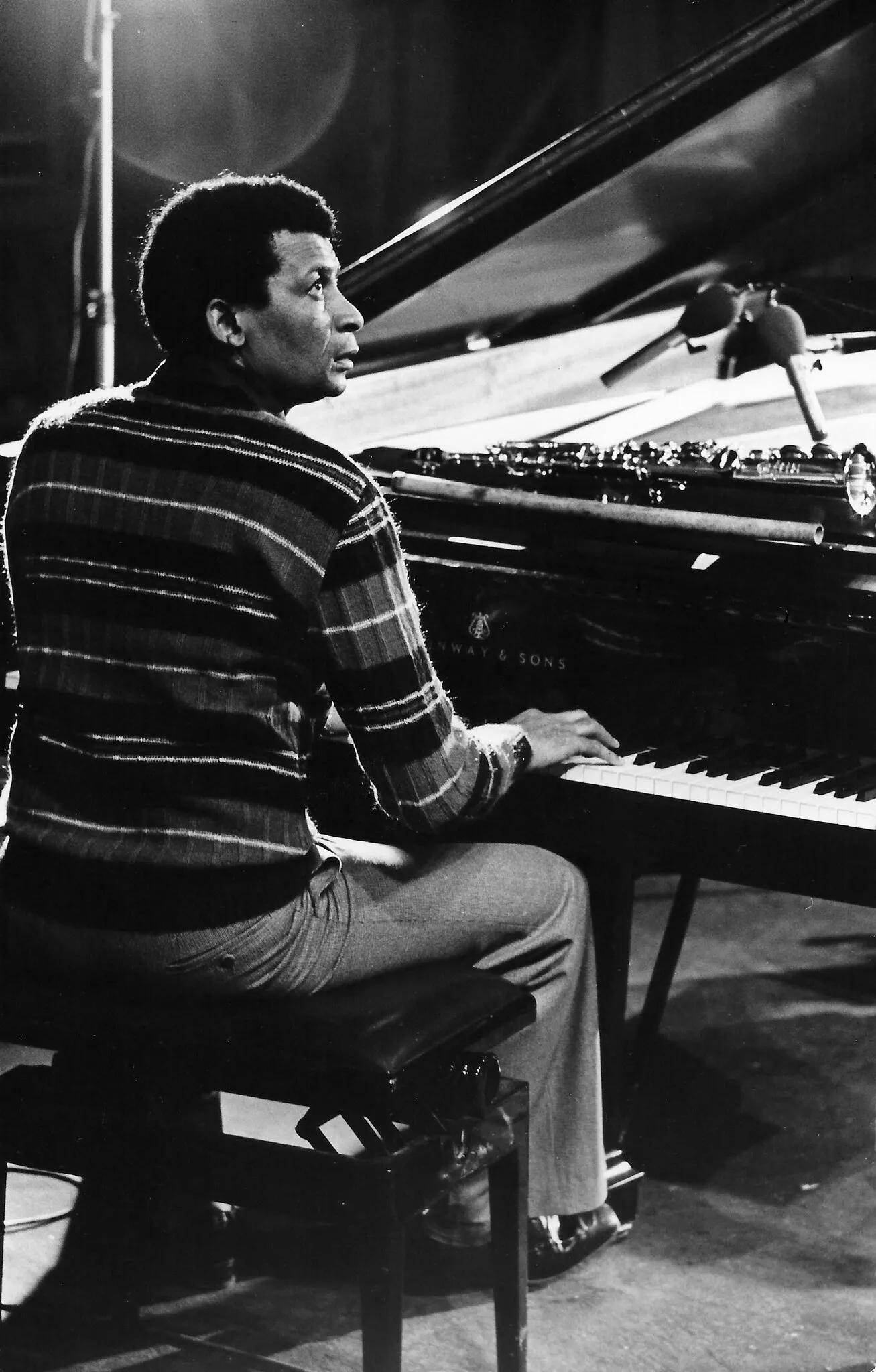
As apartheid's grip weakened, Abdullah Ibrahim reclaimed his right to enter South Africa. His talents were celebrated at Nelson Mandela's presidential inauguration in 1994, with the former leader hailing him as "our Mozart." Throughout his later years, Mr. Ibrahim divided his time between homes in Cape Town, New York and Germany. In 2019, he was honored by the National Endowment for the Arts with a prestigious Jazz Master title.
11‘Code of Silence’
Born in 1934, Adolph Johannes Brand's early life was marked by an absent father, Sentso, and a mother, Rachel Brand, whose racial classification under apartheid was "colored" due to her mixed heritage.
Adolph's early life was marred by a traumatic event: his father, a house painter, was fatally shot at just 4 years old. The truth about this tragedy remained hidden from Adolph until much later in life, when he also uncovered the surprising fact that Rachel, whom he'd been told was his sister, was actually his grandmother.
Abdullah Ibrahim revealed to The Guardian in 2001 that his grandparents bestowed upon him the surname, which granted a superior social standing compared to being classified as Black.
Abdullah Ibrahim reflected on his past, attributing his early life to a legacy of unspoken pain and unresolved grievances.
Abdullah Ibrahim lamented that apartheid had deprived him and his people of their spiritual autonomy. He recalled how the A.M.E. Church provided a sanctuary where they could express their unique spirituality, free from external influences, allowing them to reclaim their traditional beliefs and values.
Abdullah Ibrahim's early life was shaped by his grandmother's influence, who co-founded the A.M.E. Church in Kensington, a working-class suburb where he spent his childhood. His mother, also an accomplished pianist and singer, shared her musical talents at church services and local movie houses, where she accompanied silent films on piano. As a seven-year-old, Ibrahim began formal piano lessons, which sparked a passion for composition that would soon take hold.
In Cape Town's vibrant port city, diverse communities thrived alongside one another, including Indians, Chinese, Malaysians, and others, creating a melting pot that challenged the apartheid regime's segregationist ideology, particularly in District Six, the cosmopolitan heart of the city where Abdullah Ibrahim grew up.
Growing up in his homeland was a rich musical experience for Abdullah Ibrahim, who recalled being surrounded by diverse sounds from an early age. His studies delved into various genres, including Indian ragas and talas, Chinese folk song, Zulu music, and lively street celebration rhythms.
Abdullah Ibrahim's early exposure to international music came through Voice of America broadcasts featuring jazz sounds. His nickname "Dollar" originated among American soldiers stationed in Cape Town during World War II, as he frequently visited docks seeking to purchase new jazz records imported from the US by these servicemen.
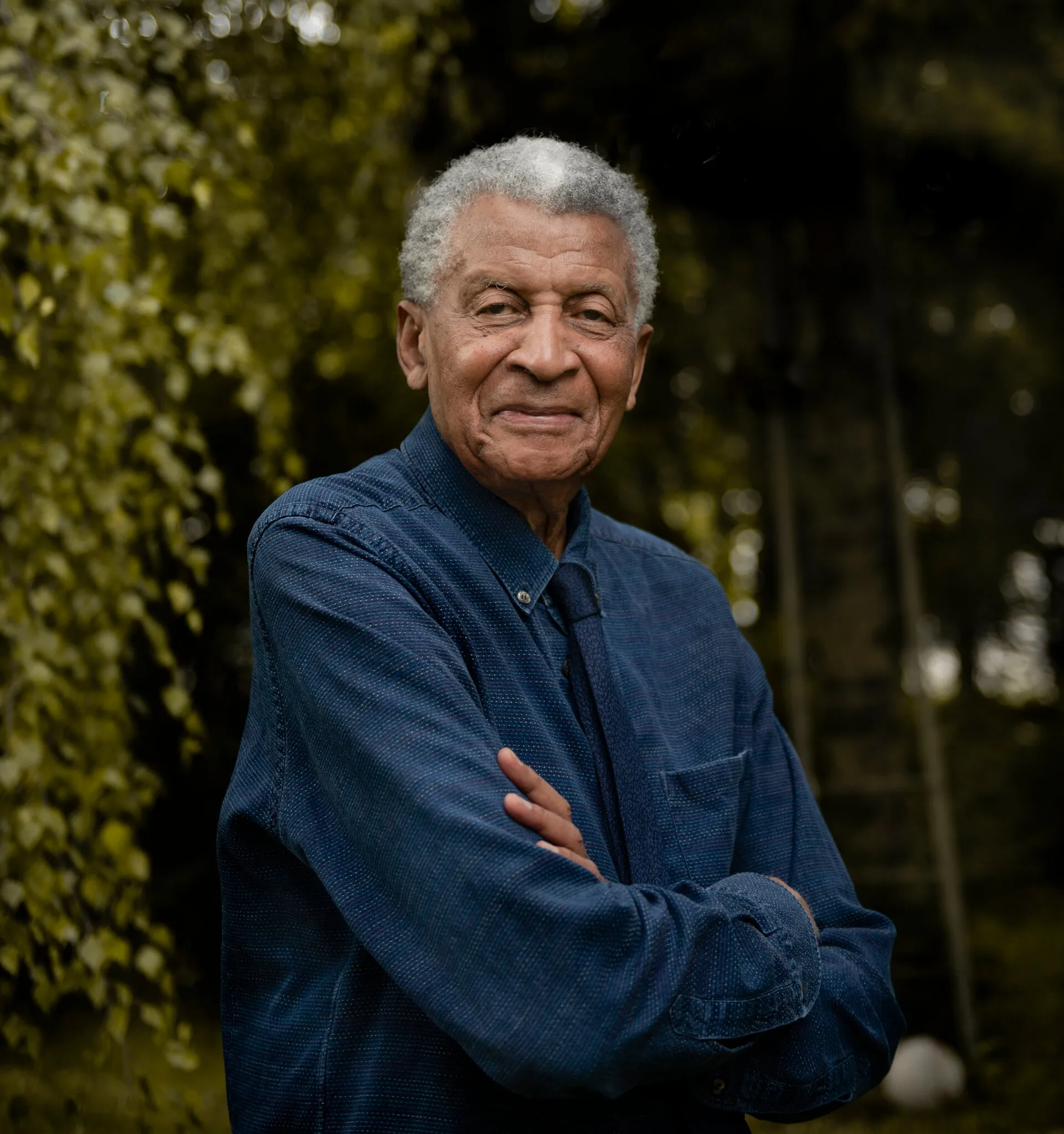
Public performances began for him by 15, initially as a vocalist before transitioning to pianist in big bands. In the year 1958, he co-founded the Dollar Brand Trio with Johnny Gertze on bass and Makaya Ntshoko on drums, aiming to blend Cape Town's sounds with American bebop influences. Shortly afterwards, this trio collaborated with Johannesburg horn players Kippie Moeketsi, Hugh Masekela, and Jonas Gwangwa, who shared similar creative goals.
Abdullah Ibrahim's collaboration with his partner yielded the iconic Jazz Epistles, which produced groundbreaking live shows and a historic recording, "Jazz Epistle Verse 1", released in 1960.
Abdullah Ibrahim's musical foundation was rooted in bebop, particularly Thelonious Monk's unconventional style, which drew from African rhythmic traditions. This connection wasn't lost on him, as he once expressed gratitude to Monk for his influence, acknowledging it as a natural part of their shared heritage. When they met, Monk was taken aback by Ibrahim's recognition, remarking that no other pianist had ever thanked him in such a way.
25‘Mannenberg’
Apartheid's restrictions forced him to abandon his dream of becoming a doctor, redirecting his focus towards literature and music. Piano keys echoed through his days as he devoted hours to reading and practice.
Abdullah Ibrahim fled South Africa in 1962 with his partner, vocalist Sathima Bea Benjamin, as the apartheid regime intensified its grip on the country, silencing music venues like District Six and sparking widespread unrest. Meanwhile, Nelson Mandela's imprisonment and the ANC ban had a profound impact on the nation.
Bandmates Gertze and Ntshoko, who hailed from Cape Town, joined Ibrahim in Zurich, where they collaborated with him on an album supervised by Duke Ellington.
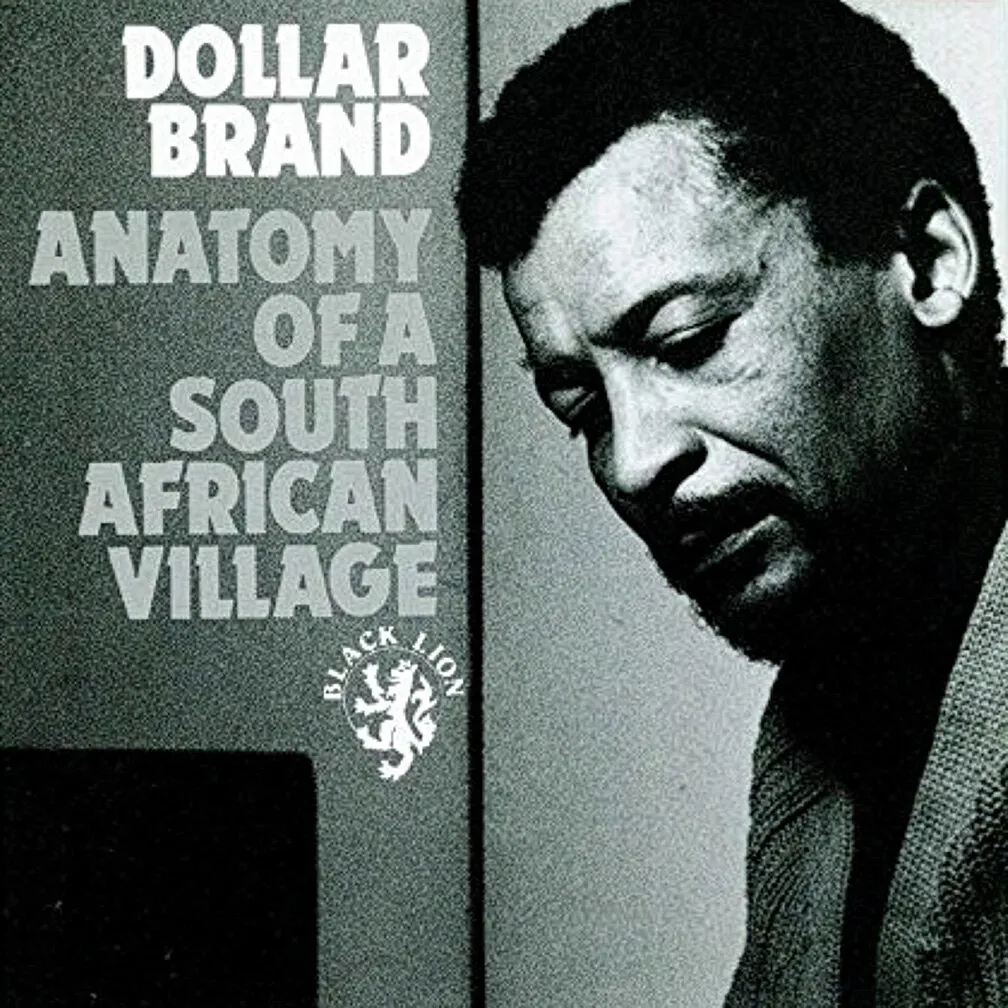
Abdullah Ibrahim's marriage to Ms. Benjamin in London, 1965, coincided with his debut album "Anatomy of a South African Village", marking the start of a successful string of releases with the esteemed Black Lion record label.
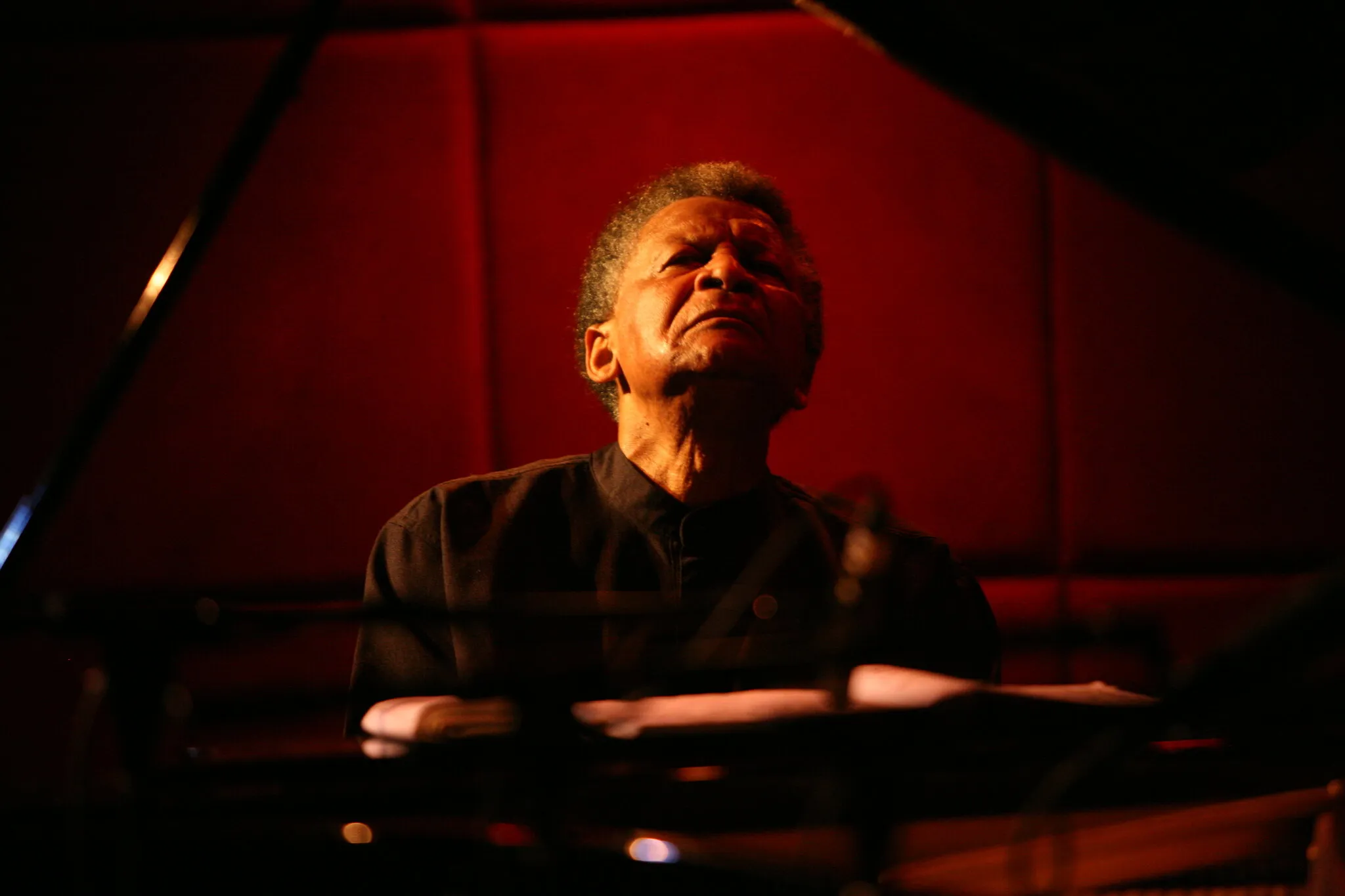
In July, Abdullah Ibrahim's U.S. debut took place at the Newport Jazz Festival, preceding appearances at iconic venues like Carnegie Hall and the Village Vanguard in New York City. The following year saw him sharing the stage with the Duke Ellington Orchestra for five concerts, a notable collaboration that was soon followed by a six-month stint as a member of Elvin Jones's band, which had recently been formed after John Coltrane's quartet.
Abdullah Ibrahim, a versatile musician, was known for playing instruments beyond piano, such as wood flute, saxophone and cello. In New York, he formed connections with avant-garde jazz musicians like Coleman, Cherry, and Shepp, who were pushing the boundaries of their art form. Faced with health issues, Mr. Ibrahim made significant lifestyle changes, including quitting smoking and drinking and took up martial arts. Following his return to Cape Town in 1968, he adopted Islam, adopting the name Abdullah Ibrahim. Two years after embracing his new faith, he undertook a pilgrimage to Mecca.
Abdullah Ibrahim spent a period in Swaziland before relocating back to Cape Town in 1973. His poignant return marked the birth of "Mannenberg," a celebrated piece inspired by the Cape Flats' Mannenberg township, a hub for those who relocated from District Six.
With its lilting piano melody and subtle undertones of traditional goema rhythms, "Mannenberg" stands out as a pivotal piece in the development of South Africa's distinctive Cape jazz genre.
Abdullah Ibrahim's memories of a pivotal moment in his career are etched vividly in his mind. He recalls spotting an upright piano in a corner, where he began improvising a riff that caught the attention of fellow musicians. The impromptu jam session lasted approximately 15 minutes before they realized it was being recorded without their knowledge.
A song emerged that would become synonymous with the nation's fight for liberation. Abdullah Ibrahim recalled to NPR in 2007, "Our creation embodied both heritage and the promise of a brighter future."
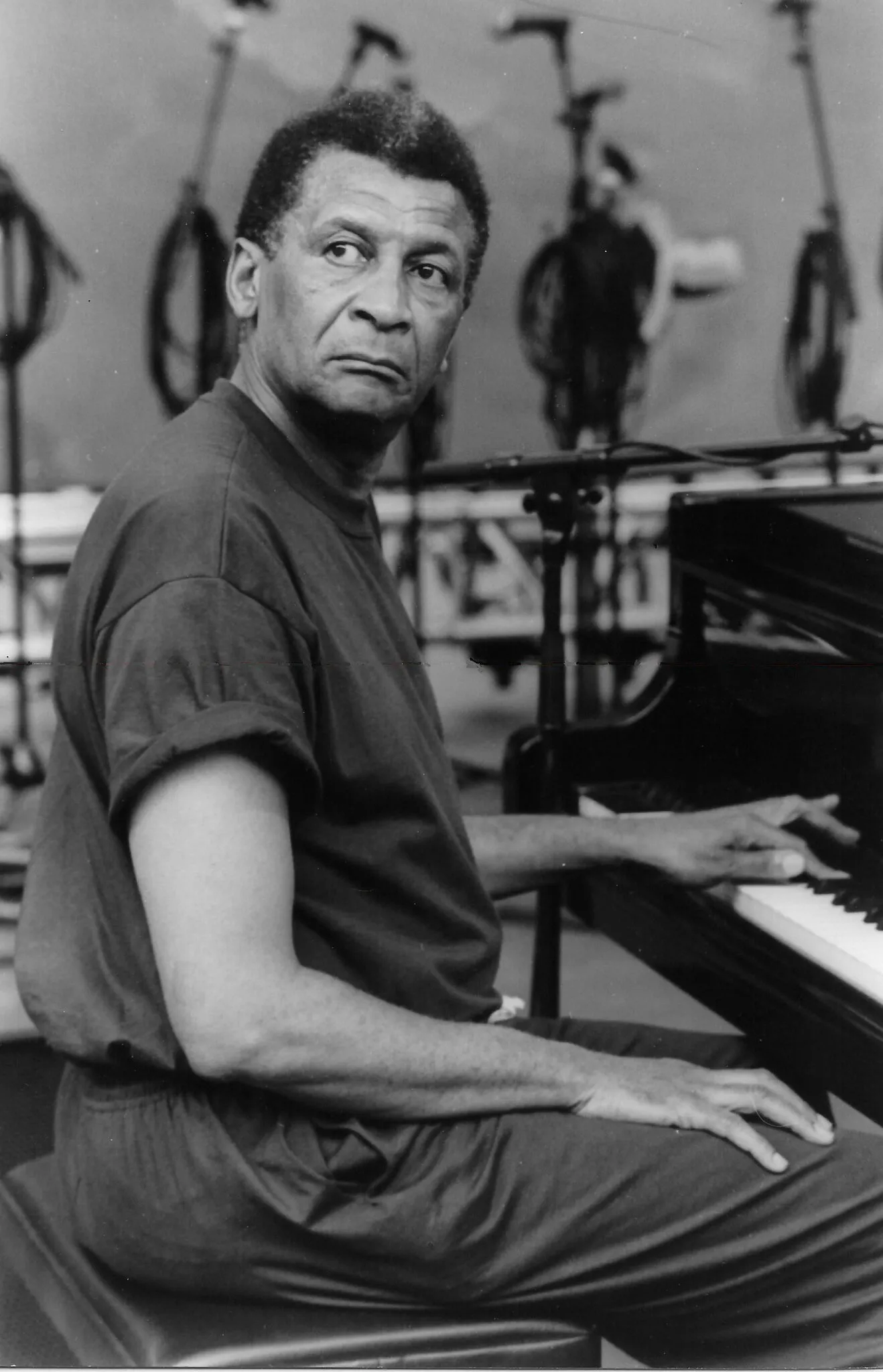
Following the Soweto uprising of 1976, Abdullah Ibrahim left South Africa, openly endorsing the African National Congress and engaging in charity performances. His stance against apartheid led to his citizenship being revoked by the government. He eventually resided with Ms. Benjamin and their two children in New York's Chelsea Hotel for an extended period.
Despite facing reluctance from several US record labels due to his vocal political stance, Abdullah Ibrahim found a reliable partner in Enja, a German music label that consistently released his work throughout much of the 21st century.
Abdullah Ibrahim's entrepreneurial spirit was evident when he launched his own record label, Ekapa, in 1981, a venture that drew inspiration from his Xhosa heritage and connection to Cape Town. Two years into this endeavour, he brought together an ensemble of New York-based musicians to form the core group known as Ekaya. His work extended beyond music, with notable film soundtracks including those for Claire Denis's "Chocolat" (1988) and "No Fear, No Die" (1990), as well as Idrissa Ouédraogo's "Tilaï" ("The Law," 1990).
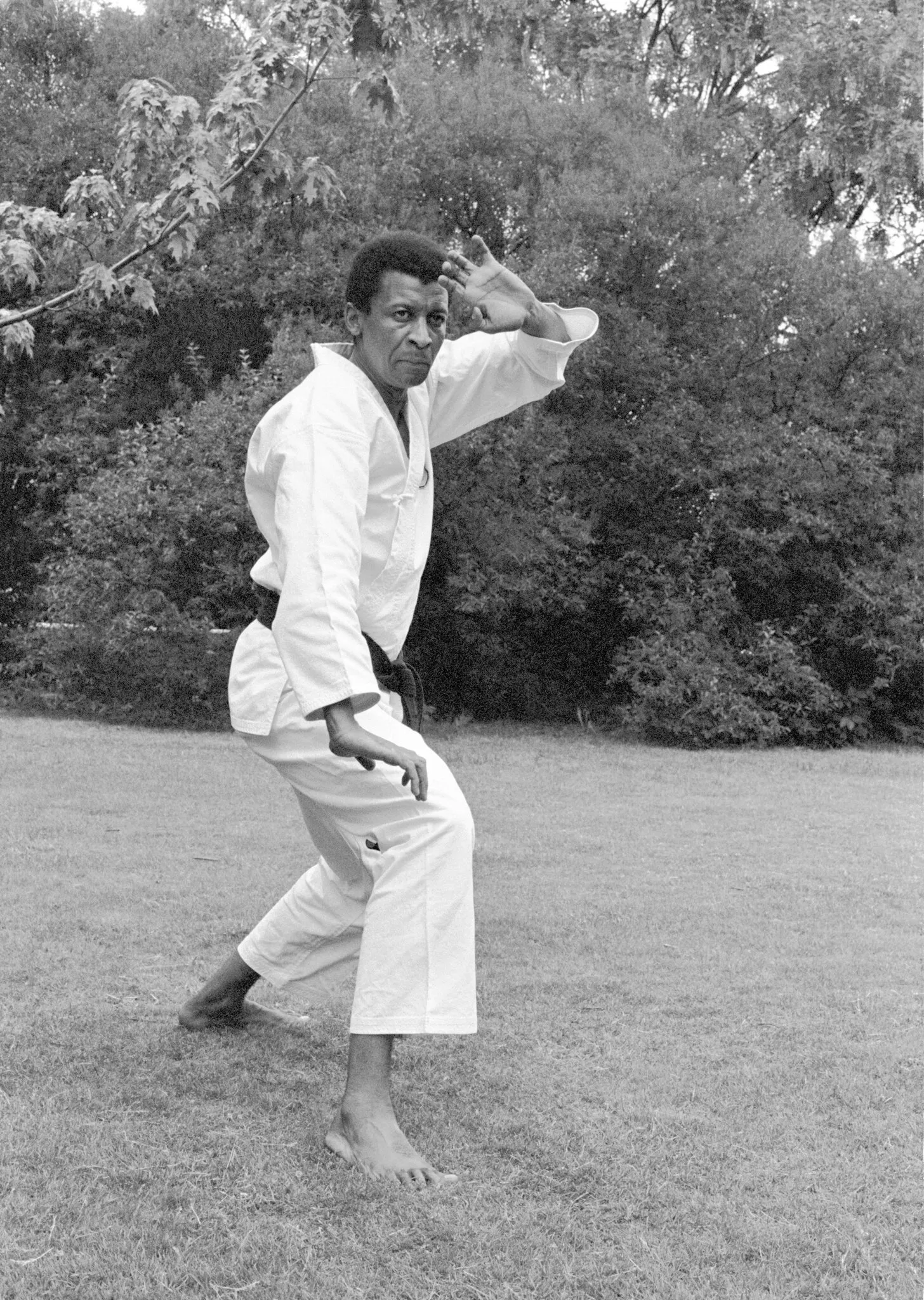
Abdullah Ibrahim's life took a significant turn in 1990 when he reunited with Nelson Mandela, who urged him to return to Cape Town.
Abdullah Ibrahim's personal life was marked by the end of his marriage to Ms. Benjamin, resulting in divorce. Left behind are loved ones, including partner Marina Umari and children Tsakwe and Tsidi, both accomplished musicians themselves.
Abdullah Ibrahim established the M7 education center in Cape Town back in 1999, where he envisioned music as a gateway to timeless knowledge and profound understanding.
Abdullah Ibrahim's perspective on sound emphasizes unity over individuality: "One sound exists, with echoes merely replicating it."
South African journalist Ash Wu provided news coverage.