A significant policy change was announced by the White House, marking a departure from its previous laissez-faire stance on artificial intelligence development.
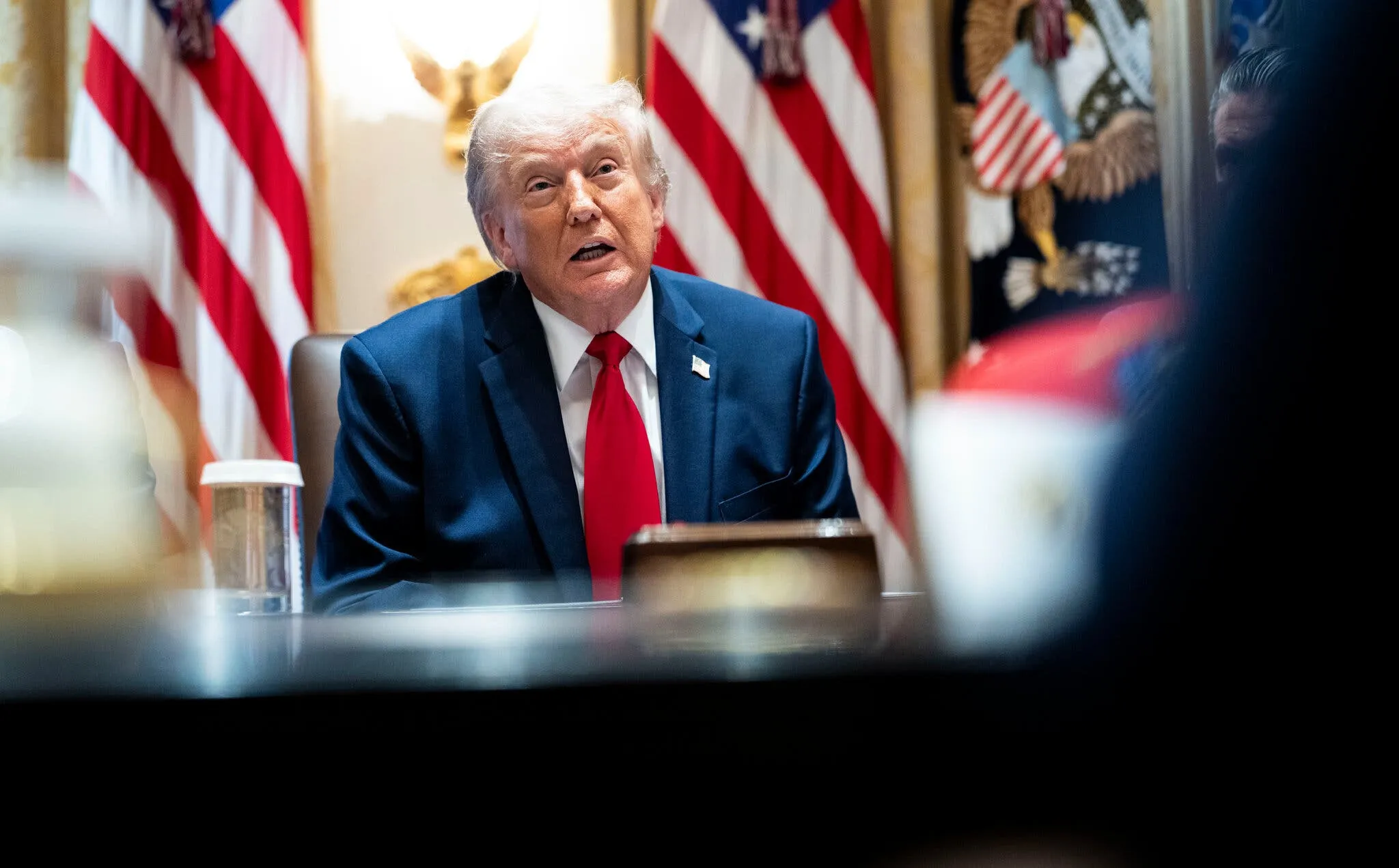
On Tuesday, President Trump issued an executive order calling on tech firms to grant the government prior review and approval over newly developed AI systems before they are made available to the general public, marking a significant departure from previous policies.
Related ↗Weak yen and AI sector growth drive Japanese export increase despite low volume sales.Months of internal debate within the Trump administration culminated in the issuance of an executive order addressing artificial intelligence systems. The previous month, President Trump unexpectedly withdrew a proposed order that had outlined a 90-day review period for newly developed AI models prior to their release, mere hours before its intended signing.
Following Monday's White House gathering, where President Trump met with key advisors including Treasury Secretary Scott Bessent and Defense Secretary Pete Hegseth, a revised plan emerged that appeased David Sacks, previously the administration's A.I. czar, who had initially expressed reservations about the order. The concession came after the review period was condensed to 30 days from an initial 90 days, a significant reduction that ultimately swayed Mr. Trump's decision to proceed with the signing on Tuesday.
Read next ↗Ukraine employs AI technology to neutralize lethal Russian drones in mid-air operations.The Trump administration has taken its most significant step yet in regulating artificial intelligence systems with this new order. A marked shift from his earlier hands-off approach, which aimed to boost US tech industries' competitiveness against Chinese counterparts and stimulate economic growth.
The government will be granted a 30-day window of opportunity to scrutinize new AI systems before they are made available to the public. Meanwhile, the Treasury Secretary is tasked with establishing an AI cybersecurity hub, responsible for identifying and addressing potential security flaws uncovered by these advanced models.
The advanced artificial intelligence capabilities enhance national strength, yet they pose novel national security concerns necessitating synchronized efforts from various executive branches and entities.
The White House confirms that President Trump's executive order embodies his pragmatic vision for harmonizing technological advancement with national security interests. This move solidifies the United States' position as a world leader in AI and cybersecurity.
The AI sector is now facing a pivotal moment as tech executives grapple with the implications of the presidential order. For some companies, this move presents an opportunity to demonstrate their commitment to collaboration with government entities, potentially alleviating public concerns about AI's role in society. However others are worried that such regulations could stifle innovation and lead to more stringent oversight in the future.
Microsoft's President Brad Smith, along with Google's Kent Walker, president of global affairs, and Chris Lehane, OpenAI's chief global affairs officer, all voiced their support for the new AI regulations. They see it as a crucial step forward in balancing AI innovation with safety concerns.
A meeting between Sam Altman and administration officials has been arranged at the White House for this Wednesday, prior to President Trump's recent executive action on AI regulation.
Meta and Anthropic have yet to issue a statement publicly.
Tech executives were blindsided on Tuesday by Mr. Trump's decision to sign the order without fanfare or a photo opportunity. The meeting with OpenAI, Anthropic, Microsoft, Meta, and Google had taken place just months prior, where they discussed the policy with the administration. Their trip to the White House last month was initially intended for the signing of another order, which ultimately got canceled.
Tech industry leaders, such as venture capitalist Marc Andreessen, had expressed their concerns to President Trump about regulating AI systems. However they were concerned that a 90-day window for reviewing A.I. models could hinder innovation. The executives stressed the importance of maintaining America's competitive edge against China in the global tech market.
Sources close to the situation reveal that former A.I. czar Mr. Sacks successfully delayed the president's decision last month. White House chief of staff Susie Wiles, a key supporter of the executive order, has been instrumental in reviving the initiative, according to two individuals with knowledge of the matter.
In April, the White House initiated a formal review process for AI systems following Anthropic's introduction of Mythos, an AI model capable of detecting software flaws, which some predict will trigger a cybersecurity crisis. Government agencies and financial institutions expressed concern that advanced AI models could uncover vulnerabilities exploitable by U.S. adversaries.
Public perception of artificial intelligence turned sour in recent months due to growing concerns about its impact on employment, energy costs, educational institutions and mental well-being. According to a March Quinnipiac University survey, an overwhelming 55 percent of American adults saw A.I. as a negative influence rather than a beneficial one.
Pressure has mounted on President Trump to strengthen government oversight of artificial intelligence systems. In May, a coalition of MAGA supporters, including Stephen K. Bannon and Amy Kremer, joined forces with three dozen pastors to sign an open letter advocating for mandatory vetting procedures for A.I. models. They cautioned that unchecked A.I. could compromise cybersecurity and that self-regulation by tech companies is unreliable.
A rally is scheduled for Wednesday in Washington, where participants will urge the Trump administration and Congress to initiate safety testing of artificial intelligence models. According to Brendan Steinhauser, chief executive of the Alliance for Secure AI Action, the event will proceed as planned despite the recent signing, with a preference for mandatory regulations over voluntary measures.
The president considers this a priority, which is why we anticipate widespread cooperation from companies to meet the new requirements. The shift in public opinion has been significant, largely due to rapid advancements in AI capabilities and growing unease over unregulated systems.