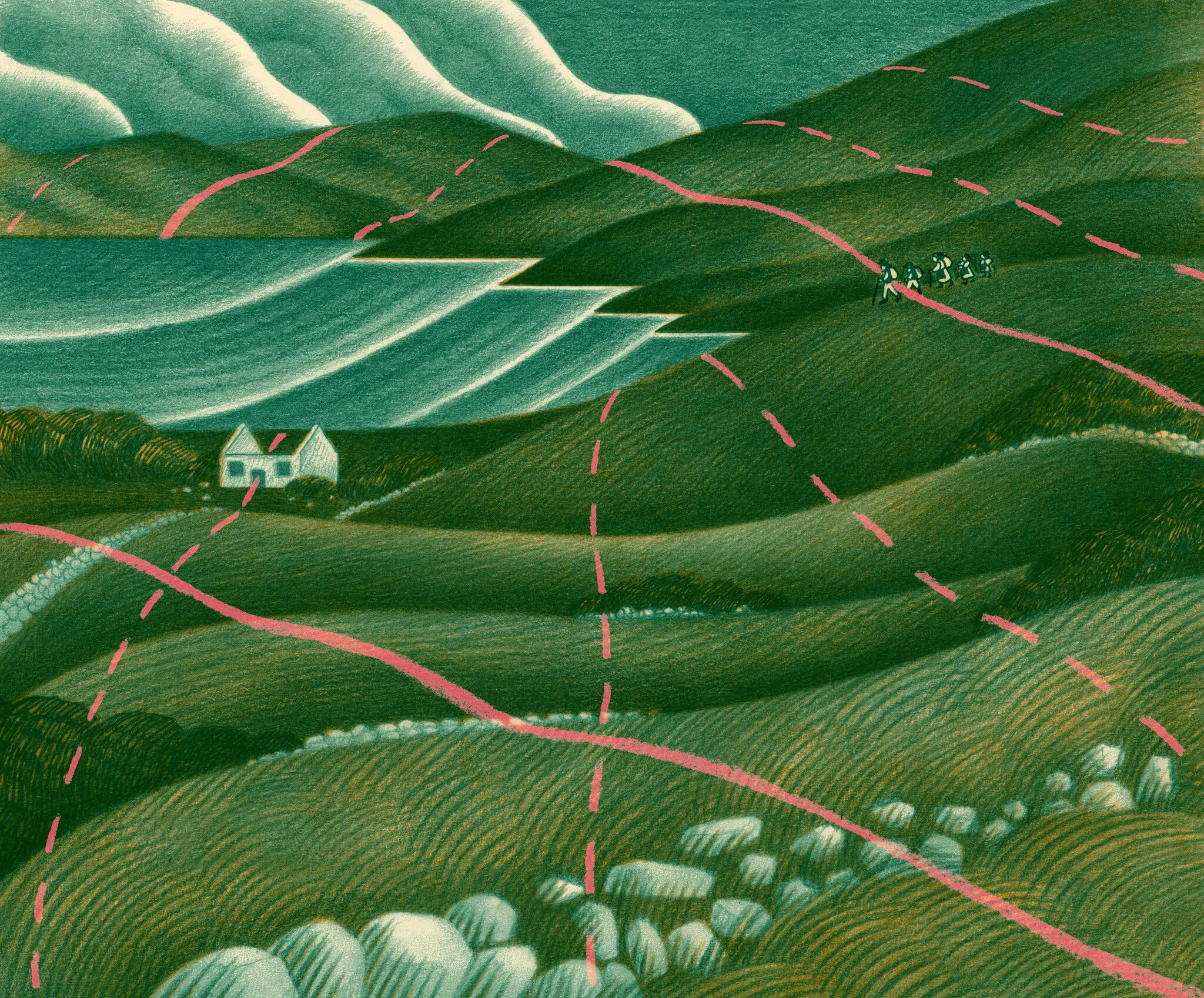
Against the backdrop of post-Famine Ireland, Maggie O'Farrell's novel "Land" vividly captures the complexities of family dynamics under British occupation.
Maggie O'Farrell reimagines Ireland's 19th-century landscape.
Related ↗Exploring Uzbekistan's Authenticity Along the Legendary Silk Road Route.The creation of maps is inherently subjective. Mapmakers intentionally present a biased perspective, selecting specific details to highlight while omitting others that might be deemed irrelevant or unflattering. Colonizers, in particular, have historically used cartography as a tool for self-serving purposes, prioritizing features that suit their interests and erasing signs of previous occupation. They often render these decisions in the dominant language of their regime.
Maggie O'Farrell's tenth novel transports readers to 1860s Ireland, a land still reeling from the devastating effects of the Great Hunger. This pivotal event had claimed over a million lives and displaced an even greater number, leaving behind a haunting landscape of abandoned villages and overcrowded burial grounds. Tomás, a skilled Irish cartographer employed by the British military, is tasked with mapping the rugged west coast when he encounters a profound epiphany at a sacred spring dating back to pre-Christian times, accompanied by his young son Liam.
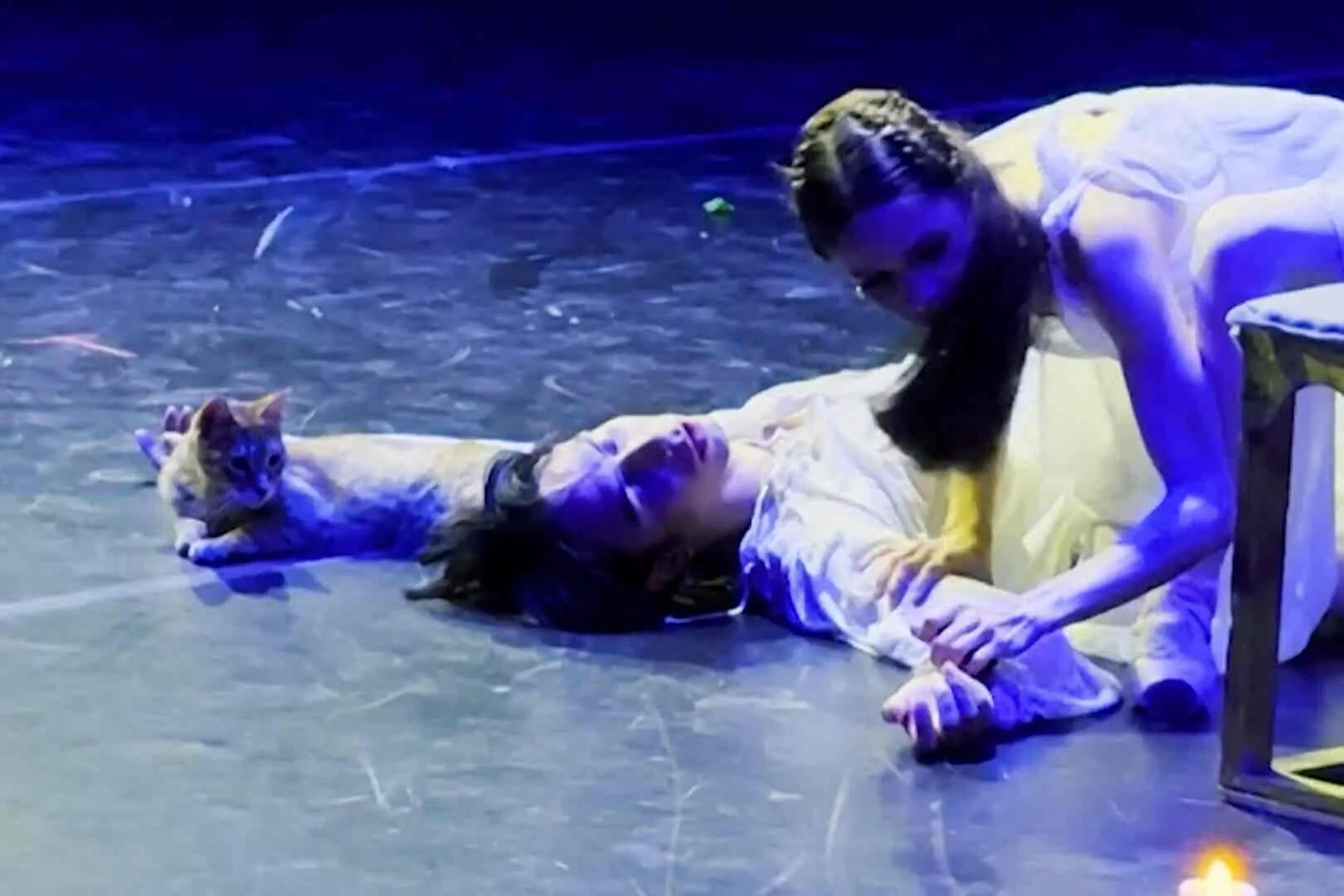
Read next ↗A Feline Unexpectedly Crashes the Bittersweet Conclusion of 'Romeo and Juliet'.Inspired by his discoveries, he feels compelled to resign from his official position and create an alternative map of the region, one that reflects the true essence of the land as seen through the eyes of its native inhabitants. This counter-narrative will revitalize the landscape by reclaiming the stories of communities erased from history, restoring the woods and waterways to their rightful owners, and reasserting the cultural significance of landmarks dismissed by British authorities.
Maggie O'Farrell reimagines Ire land's 19th-century landscape.
07Land
Add "Land" to your bookmarks.
For Tomás, this endeavor holds a deeply personal significance: he and his wife, Phina, were both orphaned by the devastating effects of the Hunger, which uprooted them from rural simplicity to the harsh realities of urban workhouses. Leaving behind Dublin's familiarity, Tomás relocates his family to the countryside in an attempt to reclaim and revitalize their lives. However Phina harbors reservations about their financial stability now that her husband has relinquished his steady income, and she fears for the future prospects of their daughters, given that only boys receive Catholic education in their new village.
O'Farrell's "Land" is a historical novel that explores family dynamics with her signature depth, much like her previous works, including the acclaimed 2020 book "Hamnet", which was adapted into a film by Chloé Zhao in 2025. The narrative begins to take shape as it delves into the complex relationships between generations, particularly in their interactions with the British Empire and the Catholic Church. Against this backdrop, a desolate landscape unfolds, inhabited by a powerful but nameless viscount, a compassionate widow who embodies the collective grief of the land and a condescending priest. O'Farrell's vivid storytelling transports readers to an ancient world of hill forts, druids, nomadic tribes, and wolfhounds, where human sacrifices were made to appease the gods and ward off harsh weather conditions.
Historical fiction often weaves together broad strokes of history with intimate character studies, and initially "Land" appears to master this delicate balance, placing a nuanced portrayal of family dynamics within the tumultuous backdrop of Ireland's protracted conflict with Britain.
As the story unfolds, the initial enthusiasm for mapping the land gradually fades away. The spotlight instead shines on Tomás's children, whose formative years are marked by complex connections with their Irish heritage in various parts of the British Empire.
O'Farrell's narrative sidesteps the complexities of these relationships for the most part. Liam's decision to join the Jesuits leads him to South India as a missionary, where he tentatively examines the parallels between his duties and Britain's influence in Ireland. His faith ultimately falters due to homesickness rather than genuine empathy with the local community.
Enda's sister travels to Quebec on a forged emigration permit, obtained from Liam, where she faces difficulties making ends meet as both a domestic worker and street performer. In the immigration queue, she encounters her future partner - an Eastern European educator turned cook who supplements his income by logging during the summer months to support bringing his family to Canada. Meanwhile, the narrative avoids drawing direct comparisons between deforestation in North America and Ireland's own environmental concerns.
Throughout O'Farrell's writing, there's a palpable sense of urgency and richness, particularly in passages narrated from Eugene's perspective as Phina's nonverbal youngest child. However the novel's issues arise from its failure to challenge the moral certitude of its central characters. These individuals are depicted as irreproachably virtuous, with Tomás succumbing to madness and Rose harboring resentment towards her siblings for abandoning her on the peninsula. Yet it's the external forces that pose a true threat: the redcoats, the viscount, and the church all contribute to the darkness that permeates the novel. The novel's portrayal of imperialism is problematic when its victims are expected to be flawless, especially considering their own experiences as colonizers in other lands.
"Land" echoes the complexity of novels like Alan Garner's "Red Shift," weaving intricate connections between eras and grappling with the lasting impact of colonial violence. However its characters' interactions with their surroundings lack depth, failing to deliver a substantial confrontation with the moral challenges presented in the novel from the outset.
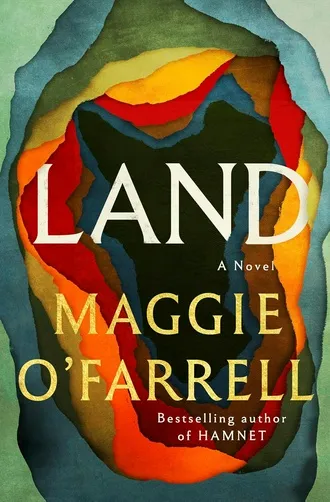
The novel LAND, penned by Maggie O'Farrell, is a substantial work. It comprises 384 pages and has a price tag of $32.