Iran's soccer triumphs once sparked jubilation nationwide, but today, apathy has replaced the fervor that once defined the nation's passion for the sport.
Iran's participation in the World Cup has failed to lift spirits amidst a backdrop of economic collapse, government crackdowns on protests, and the scars of two devastating conflicts that ravaged the nation over the past year.
Related ↗US President Trump condemns Israeli actions in Lebanon as deadly to non-combatants.Iranians' disillusionment with their national soccer team has become increasingly apparent, with many viewing them as symbols of an oppressive regime rather than a source of national pride that can rise above politics. The prevailing sentiment among Iranians from diverse backgrounds is one of fatigue and cynicism.
The country's pressing issues seem to have dulled the excitement around Iran's national football team competing in a highly acclaimed international tournament.
Read next ↗Details of the US-Iran ceasefire agreement will likely be disclosed shortly.Tehran residents like Iman express disillusionment with the national team, attributing their lack of enthusiasm to a sense of pridelessness. He is one of several individuals who opted not to disclose his full identity due to concerns about potential repercussions from the government.
Concerns about everyday life overshadow the excitement of the World Cup, making it seem insignificant to those struggling with numerous personal issues.
Tehran's residents are preoccupied with daily life, leaving little room for enthusiasm about the World Cup, according to Iraj, a 48-year-old local resident.
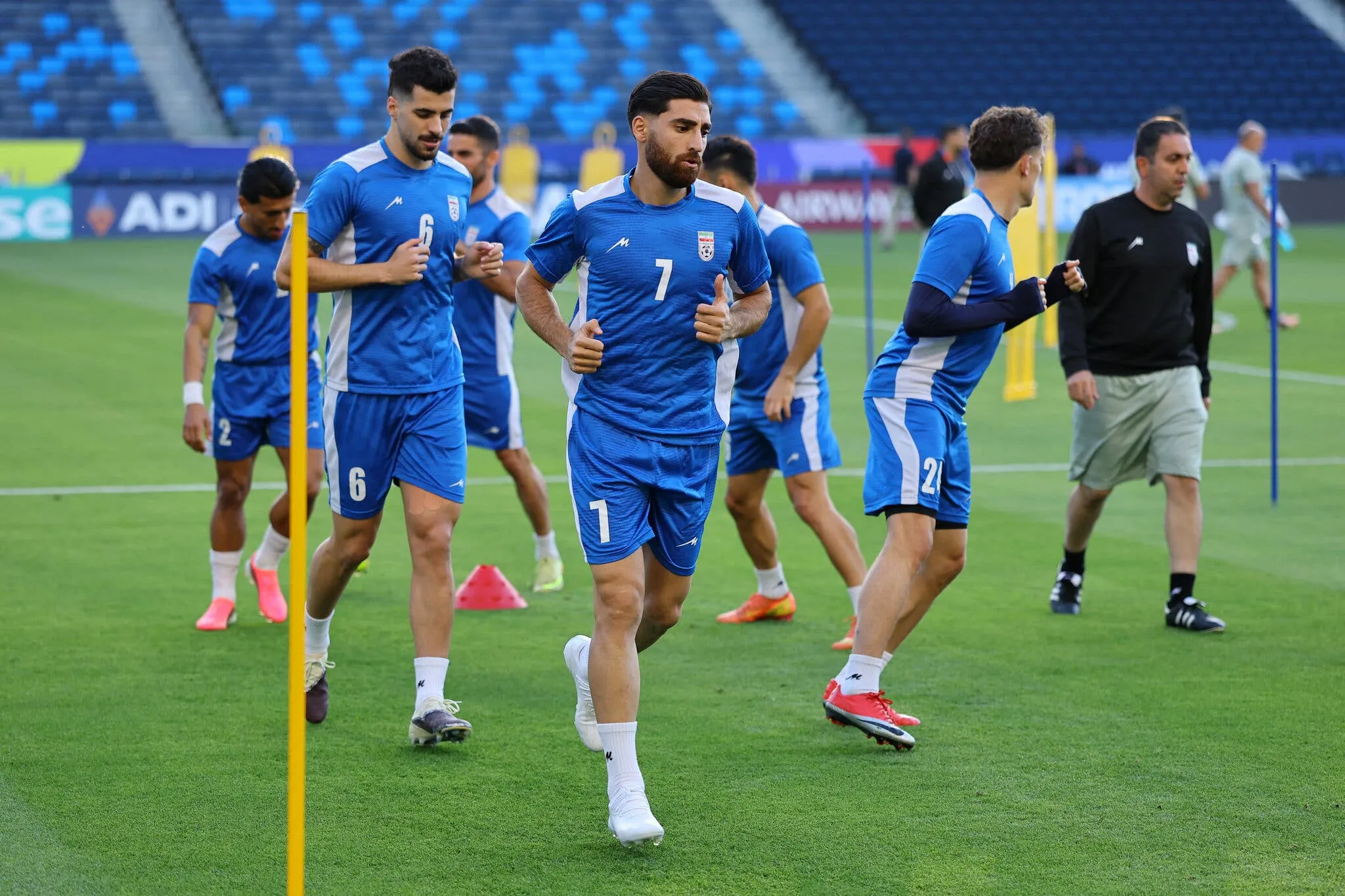
The stage is set for Iran's inaugural match, scheduled to kick off in Los Angeles on Monday evening at 9 p.m. Eastern Time, opposite New Zealand.
Last year around this time, Iran was grappling with a devastating 12-day assault by Israel targeting its nuclear program and military capabilities. Just six months after the onslaught ended, widespread protests erupted across the country, fueled by economic struggles and demands for an end to the ruling theocracy. The government's response was brutal, resulting in one of the deadliest crackdowns in Iran's recent history, with a staggering 6,500 protesters reportedly killed, according to the U.S.-based Human Rights Activists News Agency.
In February, a joint US-Israeli air campaign against Iran caused widespread damage and civilian casualties, targeting key infrastructure and high-ranking officials. The Iranian government responded by severely restricting internet access, leading to months of limited online communication. Rising costs for essential items have become unsustainable, forcing many Iranians to choose between basic necessities like food.
A toxic sentiment pervades, as most Iranians seem disenchanted with their national team's World Cup performance, lacking enthusiasm altogether now.
Tehran's residents are currently preoccupied with pressing issues, relegating the World Cup to a low priority. Unlike past years when football fever was at its peak, concerns about poverty, regime corruption, and economic uncertainty have taken center stage in everyday conversations. Inflation rates and the threat of war or cease-fire loom large over the country's future, overshadowing even the most anticipated sporting events.
Hasti's perception of Iranian soccer players is influenced by their association with the country's ruling regime, which she believes perpetuates oppression against dissenters.
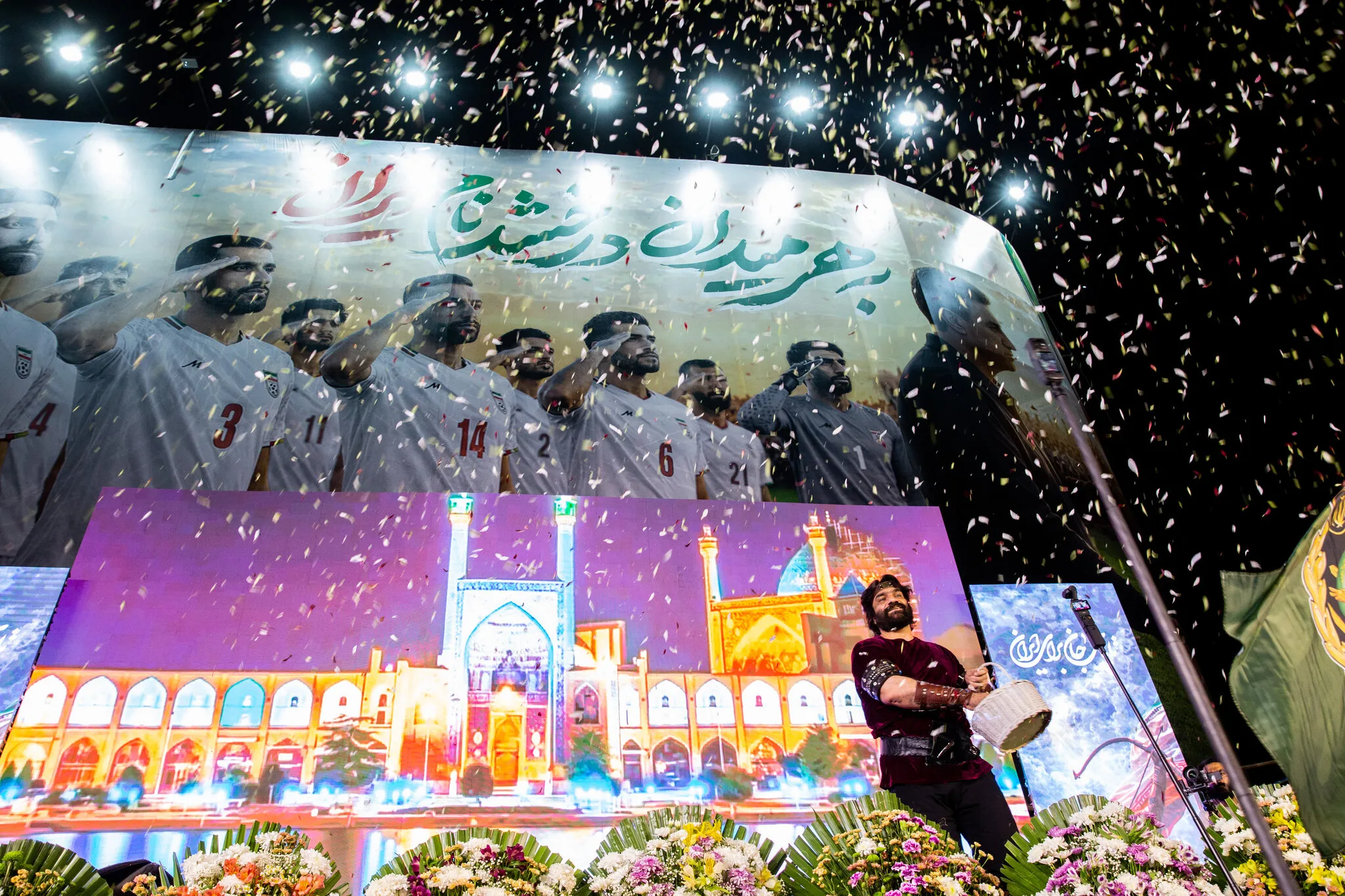
Her feelings towards the national team have shifted from enthusiasm to intense resentment and anger. The team's presence is now seen as a validation of the oppressive regime.
Players from humble beginnings are now facing immense pressure, as many have given up a great deal to achieve success in their field. Their families' financial struggles would be exacerbated if they were to jeopardize their careers by speaking out on sensitive issues.
Iranian soccer player Mehdi Taremi emphasized unity in a recent statement, noting that his team's goal is to bring joy to Iranians everywhere. His comments were made during a press conference held on Sunday.
Iran's soccer scene has always been heavily politicized and closely monitored by the authorities. At the helm of the national soccer federation is Mehdi Taj, a veteran figure with deep ties to the powerful Islamic Revolutionary Guards Corps.
Millions of Iranians had poured onto the streets in 2009 as part of the Green Movement, protesting what they saw as a manipulated election outcome. During this tumultuous period, Iranian athletes made a subtle yet significant statement by donning green wristbands during a prominent match. The gesture was later met with repercussions for some players, who were allegedly barred from representing their national team.
The World Cup in 2022 saw an unexpected reaction from some Iranians - jubilation at their national team's loss to the US. This outpouring of enthusiasm came on the heels of a tragic event: a woman had been detained and fatally harmed by Iran's morality police, prompting widespread protests.
Iran's top scorer, Sardar Azmoun, a veteran of two World Cups, surprisingly missed out on this year's squad selection despite his impressive goal-scoring record.
Iranian footballer Sardar Azmoun's association with Emirati leaders has sparked controversy. A photo of him with these officials surfaced during Iran's military operations in the United Arab Emirates, prompting Fars News to label his actions a betrayal. The outlet, affiliated with the Revolutionary Guards, reported that this move led to his removal from the national team in March.
Iran's government is likely to exploit the national team's participation in the World Cup for political gain, a tactic they have employed successfully during previous high-profile sports events, according to Omid Memarian, a seasoned Iran analyst at DAWN, a prominent Washington-based foreign policy research organization.
Iranians distinguish between their national football team and the governing authorities, viewing World Cup participation as a lasting legacy beyond any specific administration's tenure.
Iranians nostalgically recall the mid-1990s to mid-2000s as a golden age for their national soccer team. Notable triumphs over South Korea and the United States in that era earned them widespread acclaim and even led to impromptu street festivities.
Young Iranians had initially pinned their hopes on gradual democratic reforms through free elections and community engagement. However these aspirations have largely fizzled out, leaving the country's politics increasingly fragmented and polarized.
Mohsen's enthusiasm for Iran's national team has diminished significantly since previous years. As a 29-year-old merchant in Isfahan, he attributes this decline to the hardships faced by Iranians under current circumstances, which have taken a toll on their mental state as well.
Despite wanting Iran's team to succeed, this individual expressed reluctance to actively follow the World Cup.