Negotiations between U.S. and Iranian officials have resulted in a tentative framework, which includes a 60-day ceasefire to facilitate further discussions towards a lasting peace accord and addressing Iran's nuclear capabilities.
Monday's developments have sparked cautious optimism among world leaders, who see potential in a new cease-fire deal to bring an end to the US-Iran conflict, which has claimed thousands of lives. The agreement also brings hope for a diplomatic resolution, as oil prices plummet and tensions in Lebanon begin to subside.
Related ↗US President Trump condemns Israeli actions in Lebanon as deadly to non-combatants.The agreement's contents remain shrouded in mystery as neither party has released any details. Official statements from both American and Iranian officials have been at odds regarding what the framework entails. Its primary objective was to bring an end to military hostilities, thereby restoring maritime freedom through the Strait of Hormuz, a critical artery for global energy supplies that Iran had effectively blocked since the conflict started.
The US-led strikes against Iran, initiated by the United States and Israel on February 28, have failed to deliver the desired outcomes promised by President Trump: crippling Tehran's military might, dismantling its proxy networks, halting nuclear pursuits, and ousting its ruling clerics.
Read next ↗Details of the US-Iran ceasefire agreement will likely be disclosed shortly.Reopening the strait to prewar levels of commercial shipping activity may initiate a decline in US gas prices, which have become a contentious issue ahead of the midterm elections. Economists warn that this decrease will not occur overnight, taking several months to materialize. Meanwhile, reviving Iran's economy, severely impacted by years of conflict, is expected to be a protracted endeavor.
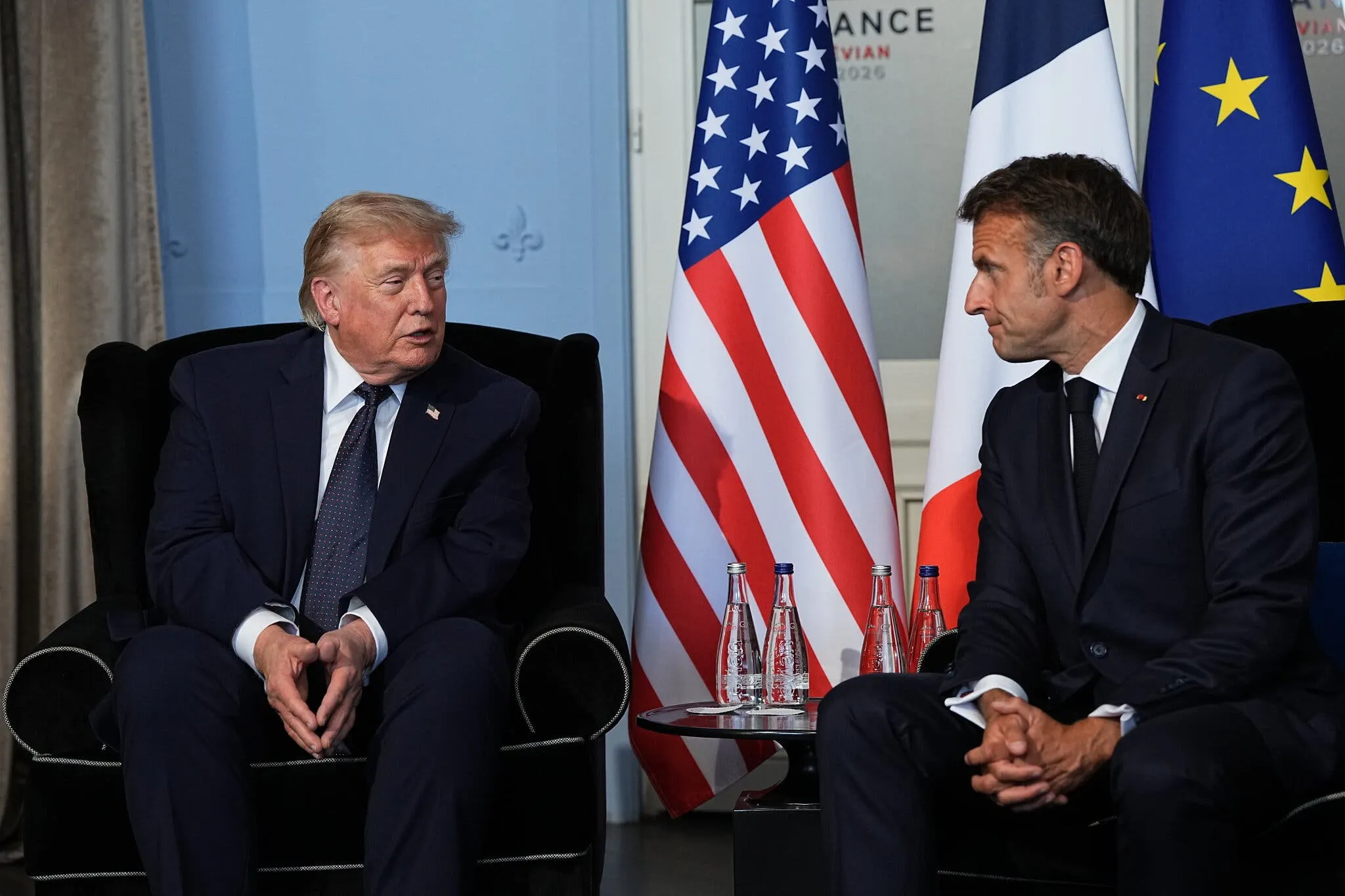
As President Trump attended the Group of 7 summit in France, a significant development emerged. French President Emmanuel Macron hailed the agreement as a crucial step toward peace during his meeting with Mr. Trump on Monday at Évian-les-Bains. The framework's announcement sparked hope among Persian Gulf nations that Iranian aggression against their territories would cease. Oman's foreign minister, Badr al-Busaidi, praised the deal as a timely victory for diplomacy and pragmatism.
Israeli Prime Minister Benjamin Netanyahu declared that his nation's conflict with Hezbollah, a militant group backed by Iran, will persist despite the framework agreement between Tehran and Washington. His assertion came during a press conference held on Monday.
The agreement's text is set to be released after this Friday, coinciding with the official signing in Geneva by American and Iranian leaders. U.S. officials confirm that Vice President JD Vance will join the ceremony, accompanied by Steve Witkoff, special envoy for Mr. Trump, and Jared Kushner, the president's son-in-law.
A senior US official confirms that President Trump and his counterpart, Mr. Vance, have electronically inked a framework agreement alongside Mohammad Bagher Ghalibaf, Iran's Parliament speaker and lead negotiator for their country. The signing took place on Sunday, as confirmed by Mr. Vance himself.
Negotiations between U.S. and Iranian officials hinge on a fragile framework that includes a 60-day ceasefire, intended to facilitate talks leading towards a definitive peace treaty. However underlying issues threaten to derail this delicate agreement at any moment.
Two major sticking points in the negotiations are the relaxation of US economic restrictions against Iran and constraints on Tehran's nuclear activities, which have been a source of contention for both parties.
Monday's CNBC interview with Mr. Vance revealed that despite progress in talks, several critical issues persist, particularly regarding the disposal of Iran's substantial inventory of highly enriched uranium, a key concern for the Trump administration.
The US government has a significant advantage in diplomatic, economic, and military negotiations with Iran. However they're also willing to engage in constructive dialogue, provided the Iranians demonstrate genuine intentions to abandon their nuclear ambitions and commit to long-term cooperation.
In Paris on Monday, President Trump emphasized that the agreement would ensure Iran's inability to acquire a nuclear arsenal, a commitment the country had already made in the past. The framework allows for robust monitoring and enforcement mechanisms, as agreed upon by both parties.
Iranian assets totaling $24 billion remain locked outside the country. Anonymously sourced U.S. officials indicated that releasing these funds hinges on Iran meeting specific requirements outlined in the agreement. The Trump administration's stance remains unchanged on this matter.
U.S. officials stated their readiness to ease economic restrictions on Iran, with initial steps to be taken contingent upon Tehran's continued adherence to agreed-upon terms.
Negotiations between Iran and the US are moving forward, with a focus on implementing concessions related to frozen assets and sanctions relief.
Iran's Foreign Minister Abbas Araghchi emphasized that significant progress has been made in negotiations with the US, but crucial challenges lie ahead. The country must now leverage its achievements to secure its interests, a task that promises to be even more daunting than what has already been accomplished.
The negotiations will be weighed down by a legacy of unfulfilled promises, non-adherence to agreements, and even the cancellation of previously signed deals, as highlighted by Mr. Araghchi's remarks about Mr. Trump's withdrawal from the 2015 nuclear accord. The negotiation process and agreement implementation will be built on a foundation of skepticism, past breaches of trust and previous experiences.
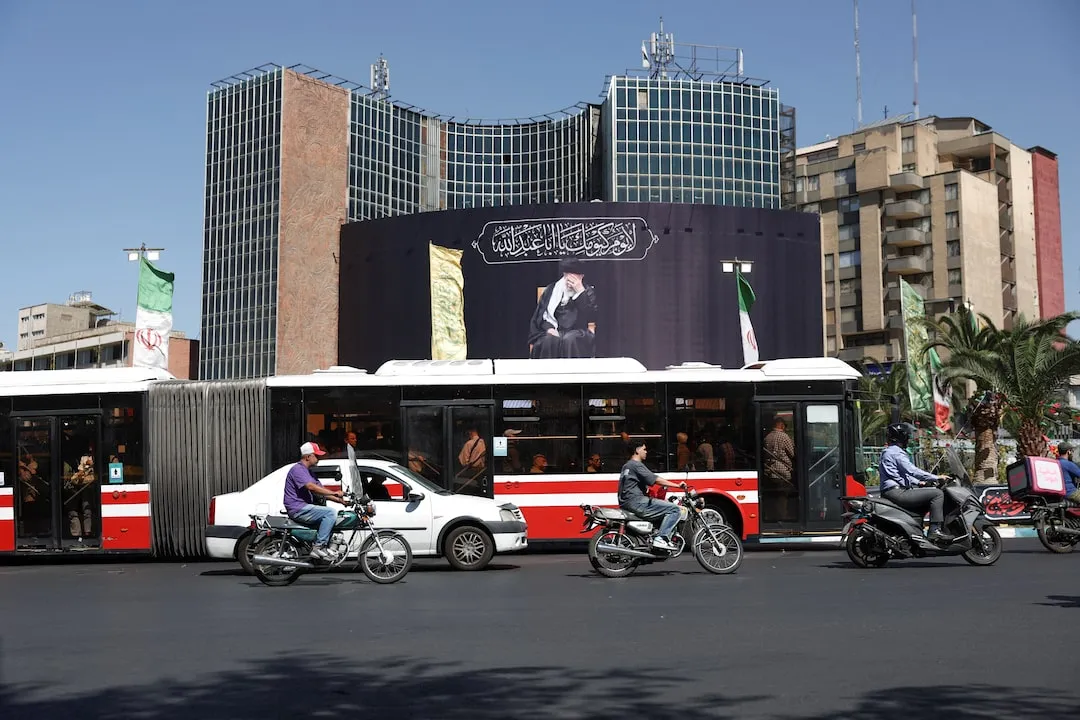
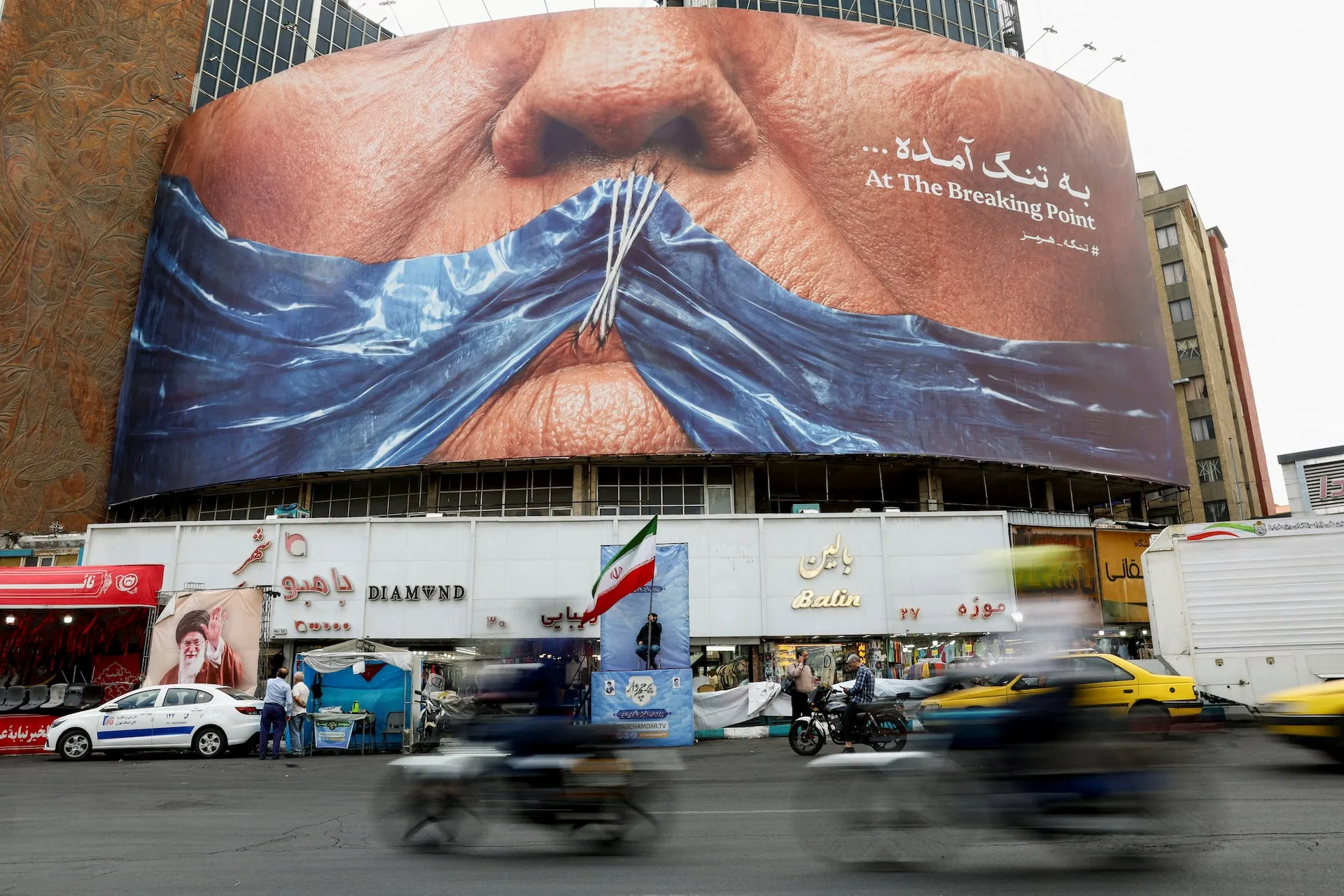
Iranians poured out their feelings on social media platforms and in private conversations, reflecting a mix of sentiments about the agreement's implications. The devastating economic impact of the war had left many without employment, while others felt betrayed by the government's failure to relinquish control.
Tehran residents like Roshanak express mixed emotions about the war's outcome, with some relief that it has ended, but also concerns about its consequences and what was achieved through the conflict. She spoke on condition of anonymity due to fear of repercussions. The war may be over, she admits, but many questions remain unanswered.
Uncertainty surrounds the implications of the deal for Lebanon, which has been grappling with the aftermath of Israeli strikes against Hezbollah, a militant organization supported by Iran. The framework reached between Iran and the US hinges on an abrupt cessation of hostilities across all battlefields, including Lebanon, according to Iran and Pakistan, the negotiating facilitators.
Fighting between Israel and Hezbollah subsided in southern Lebanon on Monday, with Hezbollah issuing a statement praising Iran's success in achieving a comprehensive ceasefire across all battlefields.
Netanyahu emphasized that Israel's military presence in Lebanon will persist until its mission is fulfilled. He argued that the conflict with Iran was a necessary measure to neutralize the Iranian threat, which had previously imperiled Israel's very existence.
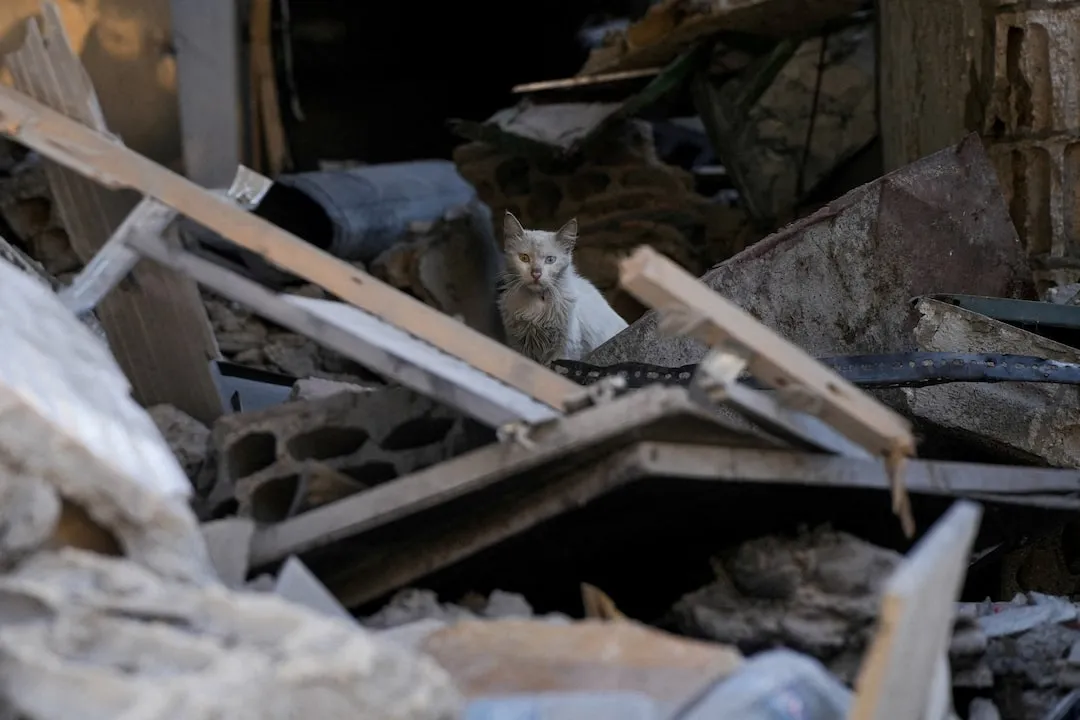
The conflict in Lebanon has resulted in over 1.1 million individuals being forcibly relocated from their residences, as reported by the United Nations. Authorities in Lebanon and Hezbollah caution those who have been displaced from the southern region against returning prematurely.
Hassan Rahal's situation remains precarious, as he continues to reside in an apartment in Beirut, having fled his hometown of Burj Rahal in southern Lebanon after the latest developments. The true nature of the current ceasefire remains uncertain for him.
The US has committed to lifting its naval blockade on Iranian shipping lanes under the framework agreement. However economists warn that the lingering effects of the conflict will continue to impact the worldwide economy for several more months.
President Trump claimed the agreement ensures the Strait will remain toll-free, mirroring its pre-war status. However Iranian Foreign Ministry spokesperson Esmail Baghaei countered on Monday by suggesting vessels transiting the Strait may incur charges as compensation for the services they receive.
The US President stated that the Strait of Hormuz would be operational again by this Friday. However according to a high-ranking American government representative, it will take another fortnight before maritime trade resumes at full capacity.
Shipping companies are exercising caution when considering passage through the strait due to recent attacks that resulted in civilian sailor casualties and stranded thousands of mariners in the area. Meanwhile, concerns persist about naval mines despite President Trump's assertion on Monday that some vessels had already safely traversed the waterway.
Safesea Group's chairman S.V. Anchan emphasizes the need for clarification on several outstanding issues. The company, based in Piscataway, N.J., has two vessels in the Persian Gulf, one of which is currently non-operational due to wartime damage and the other awaiting departure.
Iran's intentions towards the US are a pressing concern for officials involved in negotiations.
Journalists contributing to the report include Sanam Mahoozi, Adam Rasgon, Johnatan Reiss, Christina Goldbaum, Hwaida Saad, Jenny Gross, Peter Eavis and Michael Levenson.