Middle-income nations are a key focus for G7 leaders regarding global debt concerns. They're encouraging developing countries to generate additional income and secure further investment from the private sector.
Tuesday saw G7 leaders make a commitment to intensify their cooperation in tackling the pressing issue of excessive debt loads affecting developing nations, specifically those middle-income countries excluded from a debt relief program initiated by the Group of 20 during the COVID-19 crisis.
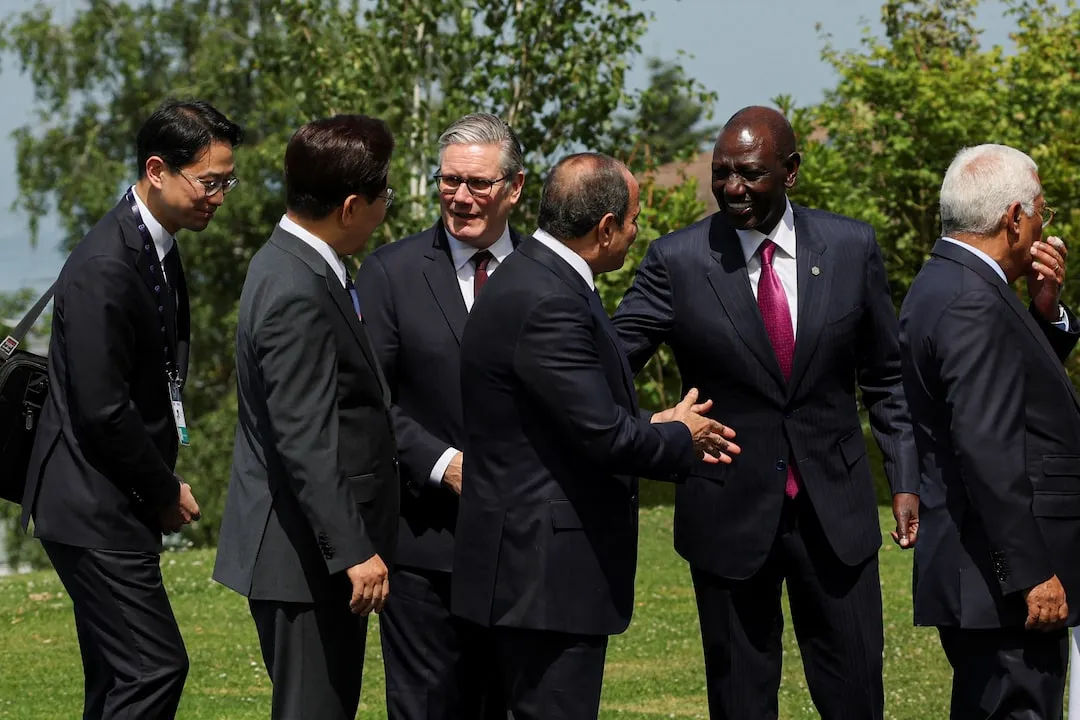
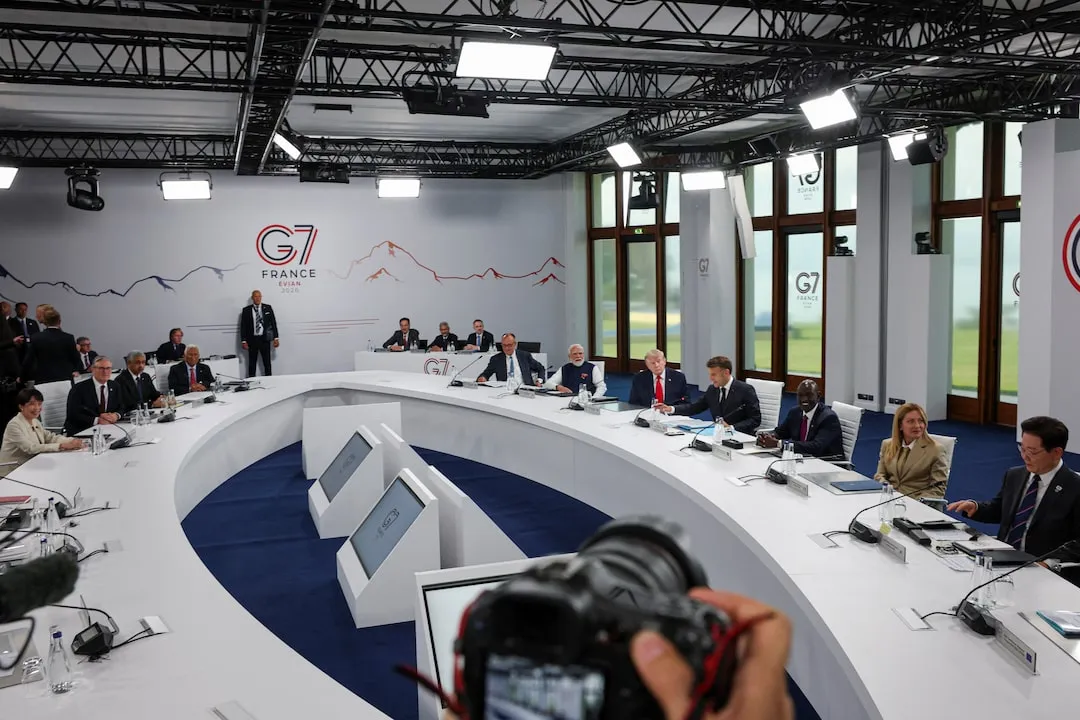
Related ↗Toyoda wins shareholder approval to remain chairman and Kon takes over as CEO.G7 leaders reaffirmed their dedication to global development cooperation in a collective statement following a meeting attended by special guests from Kenya, Egypt, India, Brazil and South Korea. They also emphasized the need for reform and increased reliance on private sector financing efforts.
Traditional development policies have yielded some results, yet their effectiveness is constrained by limited success in reducing reliance on external aid. The G7 leaders emphasized that public resources, significantly reduced by major economies over the past few years, will remain essential but insufficient to address global development requirements. This assessment was made during their meeting at Evian-les-Bains, a French lakeside resort.
Read next ↗India's TCS to take $70 million hit after US Supreme Court rejects appealG7 leaders reaffirmed their commitment to intensify cooperation in mitigating global debt risks, which pose a significant threat to economic stability and limit governments' capacity to fund vital public services.
Middle-income nations lacking access to the G20 Common Framework, established in response to the COVID pandemic, require a unified strategy for debt restructuring, a priority emphasized by the leaders at the G7 summit.
Jubilee USA Network's executive director Eric LeCompte emphasized that G7 leaders are advocating for proactive debt restructuring measures to prevent crises from arising. The shift towards private sector investment is crucial, especially considering the dwindling public development funding, according to LeCompte.
According to OECD statistics, official development assistance plummeted by 23.1% in real terms in 2025, totaling $174.3 billion, with the United States accounting for nearly a 57% decline in aid, followed by modest decreases from key European nations.
Boston University's Global Development Policy Center director Kevin Gallagher observed a significant milestone at the G7 summit: official recognition of debt concerns affecting poorer nations ineligible for the Common Framework. The absence of immediate relief measures for developing countries ravaged by the Middle East conflict left him perplexed, despite the declaration's acknowledgment of their plight.
Leaders of countries outside the G7, notably in Asia and Africa, require urgent access to liquidity finance, as well as short-term fiscal assistance for essential imports and fuel/fertilizer subsidies, to mitigate their precarious economic standing globally.
Oxfam International's development arm has expressed disappointment with the G7's stance on global debt risks, urging greater financial commitment from member states.
G7 leaders have implemented their largest-ever reduction in life-saving assistance, resulting in millions of people facing dire consequences. According to Joern Kalinski, senior G7 adviser, redirecting aid funds towards private investors' financial gains is misguided, exacerbating an already precarious situation by diverting resources from essential public infrastructure projects like schools and hospitals.
G7 saw G7 leaders make a commitment to intensify their cooperation in tackling the pressing issue of excessive debt loads affecting developing nations, specifically those middle-income countries excluded from a debt relief program initiated by the Group of 20 during the COVID-19 crisis.
According to OECD statistics,official development assistance plummeted by 23.1% in real terms in 2025, totaling $174.3 billion, with the United States accounting for nearly a 57% decline in aid, followed by modest decreases from key European nations.